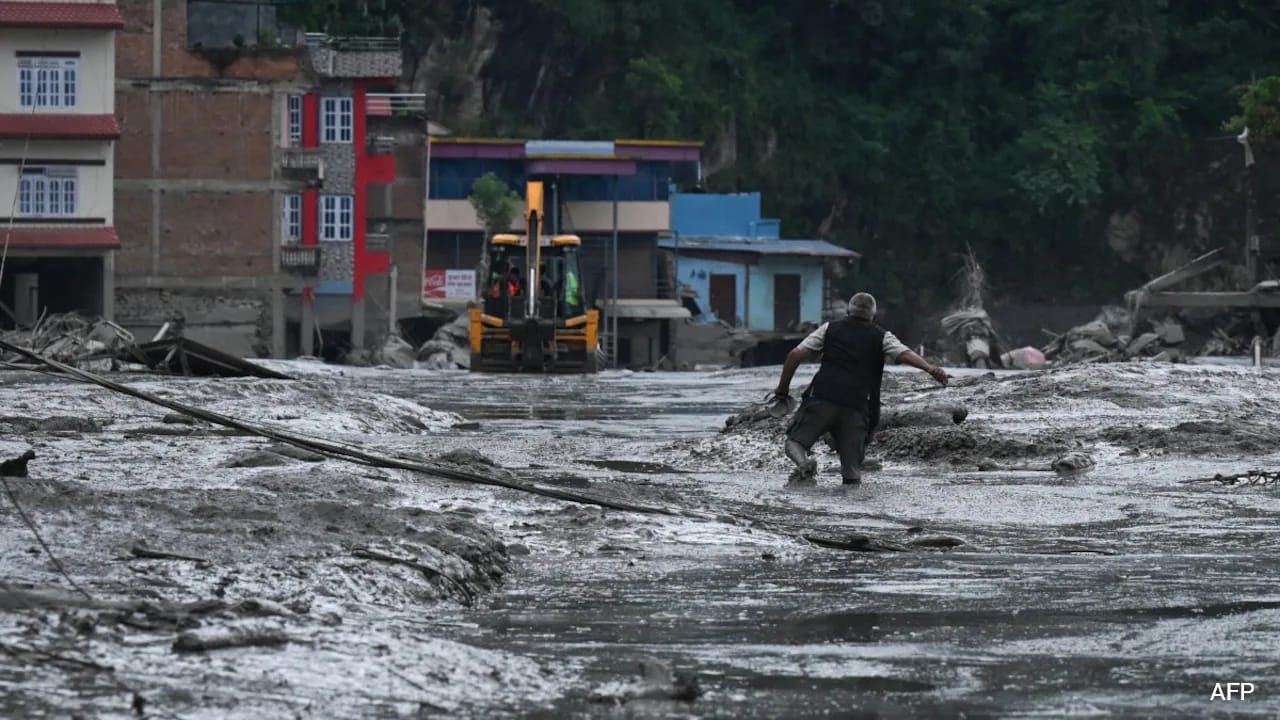
A catastrophic flash flood and landslide along the Nepal-Tibet border have claimed at least 160 lives, leaving hundreds missing in a devastating natural disaster.
- At least 160 confirmed dead and hundreds missing in Nepal.
- Disaster occurred along the critical Nepal-Tibet border region.
- Extreme Himalayan topography exacerbates the risk of flash floods.
The Nepal-Tibet border region has been struck by a catastrophic series of flash floods and landslides, resulting in a massive loss of life. As of Wednesday morning, authorities have confirmed that at least 160 people have perished, with hundreds more feared missing. The scale of the disaster has overwhelmed local emergency services, as search and rescue operations struggle against the rugged terrain.
While the exact trigger for this specific event remains under scientific investigation, experts point toward the inherent vulnerability of the region. The extreme topography of the Himalayas plays a decisive role in how these disasters unfold. The steep inclines and unstable geological formations mean that heavy rainfall can rapidly transform into deadly debris flows and flash floods.
Why This Matters
BozokMedia analysis shows that the intersection of extreme weather patterns and fragile mountain ecosystems is creating a 'perfect storm' for disasters in South Asia. As global temperatures rise, the stability of Himalayan slopes is decreasing, making these high-altitude regions increasingly unpredictable and lethal for local communities.
The combination of extreme meteorological events and the volatile Himalayan terrain creates one of the most high-risk disaster zones on the planet.
Geologists emphasize that the geological makeup of the Nepal-Tibet border is particularly prone to sudden shifts. When intense precipitation hits the saturated soil of the Himalayas, the lack of deep-rooted vegetation in certain areas leads to immediate soil failure and massive landslides.
Historical Background
Historically, the Himalayan region has been subject to seasonal monsoon flooding. However, the increasing frequency of 'extreme weather events'—characterized by intense rainfall in short durations—suggests a shift in the regional climate dynamics that has been observed globally over the last two decades.
Frequently Asked Questions
Question 1: What is the current death toll in Nepal?
Answer: Official reports confirm at least 160 fatalities, with hundreds still missing.
Question 2: Why are the floods so deadly in this region?
Answer: The steep Himalayan terrain causes water and debris to move with immense speed and force, leaving little time for evacuation.