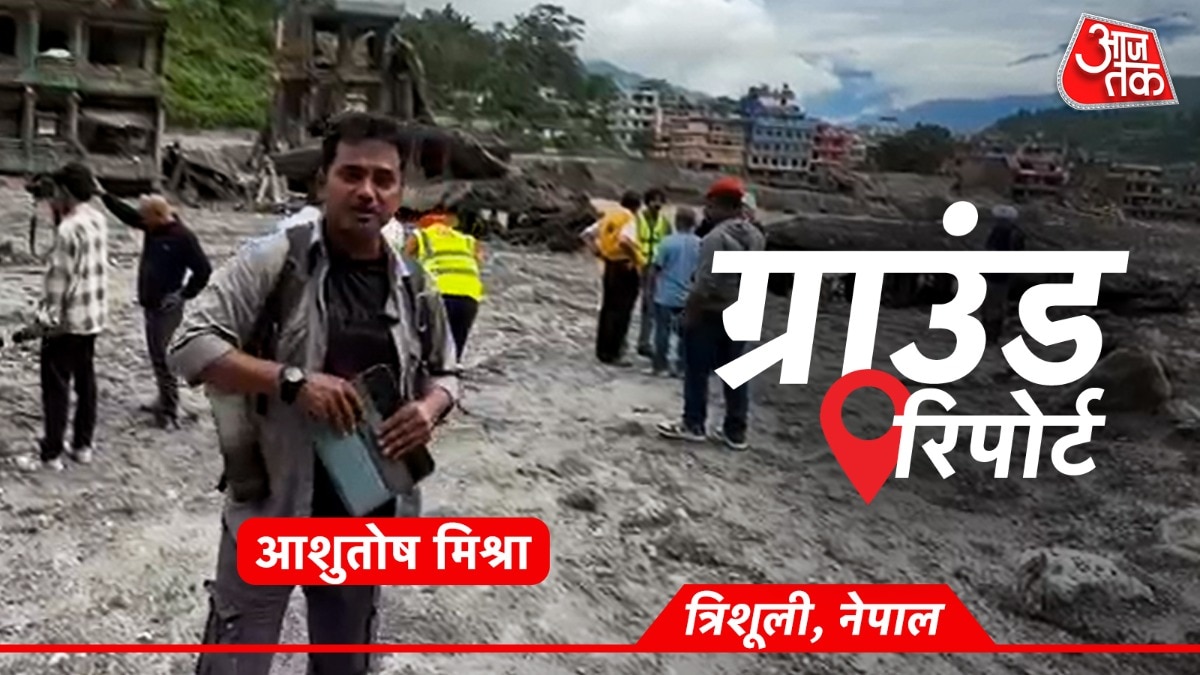
A massive flash flood in Nepal's Rasuwa district has claimed at least eight lives and caused widespread destruction to roads, bridges, and power facilities. Authorities fear the death toll could rise significantly.
- At least 8 fatalities confirmed in Nepal's Rasuwa district due to flash floods.
- Approximately 430 MW of hydropower and solar production capacity damaged.
- Massive mudslides reported in Tibet's Gyirong county, affecting China-Nepal border.
- Emergency rescue operations underway via Nepal Army and Red Cross.
A catastrophic flash flood has swept through the mountainous Rasuwa district of Nepal, leaving a trail of destruction in its wake. Authorities have confirmed at least eight deaths, but district administrator Narendra Pariyar warned that casualties and property losses could escalate significantly as rescue operations continue in the remote, high-altitude terrain.
The deluge, fueled by heavy monsoon rains, has severely impacted the Syapru Besi and Timure areas. The sheer volume and velocity of the muddy torrents have made it nearly impossible for rescue helicopters to land in the most affected zones. The Nepal Army has been deployed to lead search and rescue missions amidst the rising waters.
Why This Matters
BozokMedia analysis shows that this disaster strikes at the very heart of Nepal's energy security. The Nepal Electricity Authority reported that roughly 430 megawatts of production capacity—comprising both hydropower and solar facilities—has been crippled. This disruption threatens to cause widespread blackouts across the region, complicating relief efforts.
The increasing frequency of extreme weather events in the Himalayas is a direct consequence of accelerating climate change and glacial instability.
The impact is not confined to Nepal. Across the border in Tibet, a massive mudslide has hit the Gyirong port, severing vital communication, power, and road links in the Shigatse region. Chinese President Xi Jinping has ordered an all-out search for missing persons and emphasized the need for better early warning systems.
Historical Background
The Bhote Koshi River, which flows from Tibet through Nepal, has a history of volatility. In 2025, a similar event triggered by the draining of a supraglacial lake killed nine people and destroyed the critical 'Friendship Bridge' connecting Nepal and China. This recurring pattern highlights the extreme vulnerability of the South Asian monsoon belt to shifting climatic patterns.
Frequently Asked Questions
1. How has the electricity supply been affected?
About 430 MW of production capacity has been damaged, disrupting the entire transmission and distribution network.
2. What is being done to rescue survivors?
The Nepal Army, Red Cross, and medical teams are working in coordination to reach affected areas, though terrain remains a major obstacle.