Catastrophic flash floods triggered by earthquakes and heavy rains in Nepal have caused massive destruction. With over 100 Indians missing and Gandak Barrage gates fully opened, Bihar and UP are on high alert.
- Catastrophic flash floods in Nepal triggered by earthquakes and extreme rainfall.
- All 36 gates of the Gandak Barrage have been opened, raising flood threats in Bihar and UP.
- Over 100 Indian citizens, including pilgrims, are reported missing or stranded.
- PM Narendra Modi has extended full support to Nepal for rescue and relief.
A catastrophic natural disaster is unfolding in Nepal, where a combination of seismic activity and torrential rainfall has triggered devastating flash floods. The scale of destruction is immense, with dramatic footage showing critical infrastructure being swept away. Most notably, the Rasuwa border gate between Nepal and China has sustained significant damage. The situation is further complicated by unconfirmed reports that approximately 14 hydroelectric power stations have been damaged, leading to an uncontrolled surge in floodwaters.
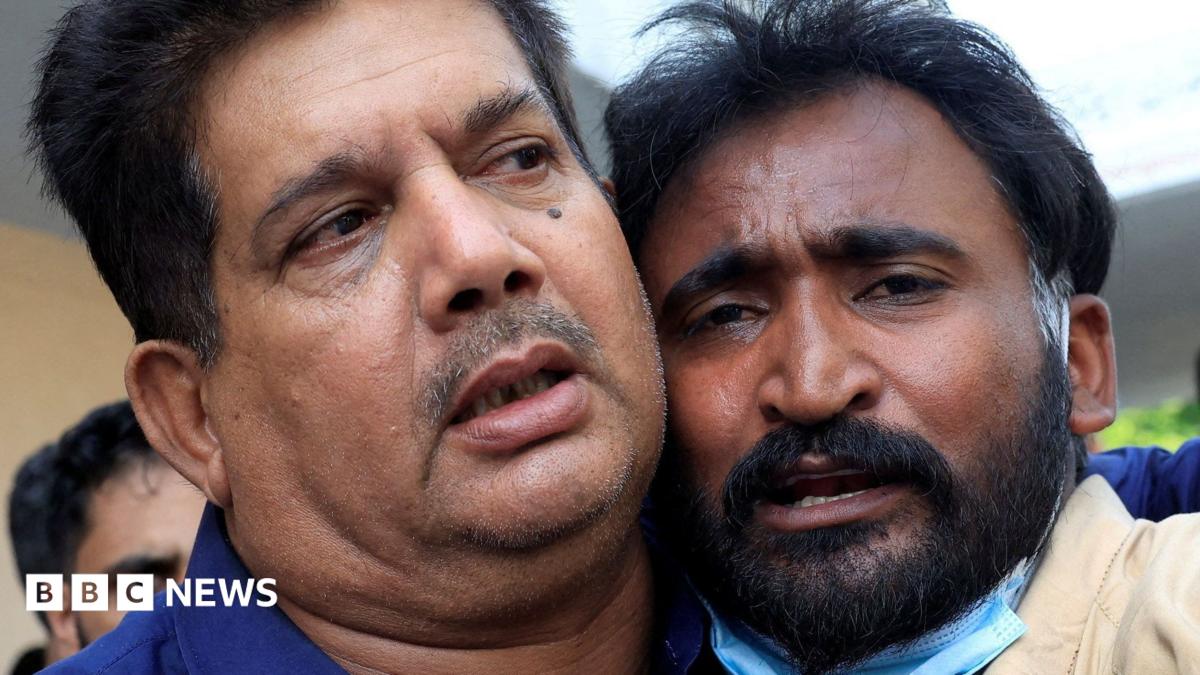
The impact on human life is profound, with over 600 people affected so far. Of grave concern to the Indian government is the report that over 100 Indian citizens, including Kailash Mansarovar yatris and tourists, are currently missing or stranded in the disaster zone. This has prompted an immediate response from the Ministry of External Affairs and the Indian Embassy in Kathmandu.
Why This Matters
BozokMedia analysis shows that the opening of all 36 gates of the Gandak Barrage creates a high-risk scenario for the neighboring Indian states of Bihar and Uttar Pradesh. The sudden release of water into the river systems could lead to rapid inundation of low-lying areas, necessitating massive evacuation efforts and emergency management.
The convergence of seismic instability and extreme weather creates a 'compounding disaster' that can overwhelm even the most advanced regional rescue frameworks.
In response to the crisis, Indian Prime Minister Narendra Modi has held discussions with the Nepalese Prime Minister, pledging comprehensive support. This includes the deployment of relief materials, medical assistance, and advanced search and rescue operations. The NDRF teams are currently on high alert in Gorakhpur, ready to cross the border to assist Nepalese security forces.
Historical Background
The Himalayan region has long been susceptible to landslides and flash floods due to its steep terrain and geological instability. However, recent shifts in global weather patterns have increased the frequency and intensity of these events. The interdependence of Nepal and India regarding river management makes these incidents a shared security and humanitarian concern for both nations.
As rescue operations continue, the focus remains on locating the missing Indian nationals and stabilizing the power infrastructure in Nepal to prevent further cascading failures in the regional grid.
Frequently Asked Questions
1. What is the current status of Indian citizens in Nepal?
Over 100 Indians are reported missing or stranded; the Indian Embassy and MEA are actively managing helplines and rescue efforts.
2. How does this affect India?
The opening of the Gandak Barrage gates puts the floodplains of Bihar and Uttar Pradesh at significant risk of inundation.