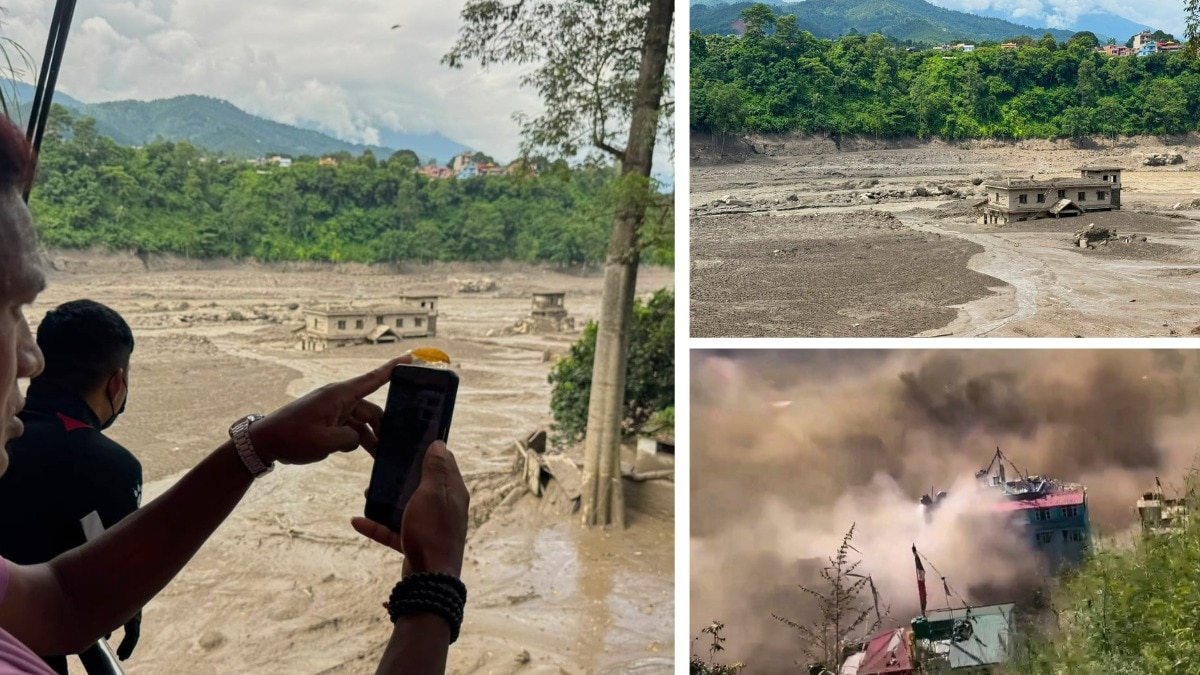
A groundbreaking new review has sounded the alarm on the world's inability to withstand large-scale catastrophes. The findings suggest that global resilience measures are failing to keep pace with increasing threats.
- Global catastrophe resilience is significantly below required safety thresholds.
- The gap between disaster frequency and preparedness is widening.
- Urgent systemic reforms are needed in infrastructure and early warning systems.
A sobering new global review, titled 'Still No Place to Hide', has revealed that the world remains dangerously vulnerable to large-scale catastrophes. The report highlights critical shortcomings in how nations and international bodies prepare for, respond to, and recover from disasters.
The findings suggest that despite increased awareness of climate change and geopolitical instability, the actual implementation of resilience strategies remains fragmented and insufficient. From extreme weather events to systemic infrastructure failures, the world is currently ill-equipped to handle the scale of upcoming threats.
Why This Matters
BozokMedia analysis shows that the lack of coordinated global resilience is not just a humanitarian crisis but a looming economic catastrophe. The cost of inaction far outweighs the investment required to build robust, disaster-ready systems.
The current trajectory of global preparedness is fundamentally mismatched with the escalating frequency of extreme events.
The review emphasizes that the vulnerabilities are not distributed equally. While high-income nations may possess advanced technology, the lack of global cooperation means that developing regions remain disproportionately exposed to total devastation, creating a ripple effect across global supply chains and migration patterns.
Historical Background
Historically, disaster management has been largely reactive—responding to events after they occur. However, as the scale of environmental and technological risks has evolved, the paradigm must shift toward predictive and preventative measures to ensure survival in an era of uncertainty.
Frequently Asked Questions
1. What does 'catastrophe resilience' mean?
It refers to the capacity of a system, community, or nation to absorb shocks from a disaster and maintain essential functions.
2. Why is the report titled 'Still No Place to Hide'?
It signifies that in an interconnected world, no region is truly safe from the cascading effects of global-scale disasters.