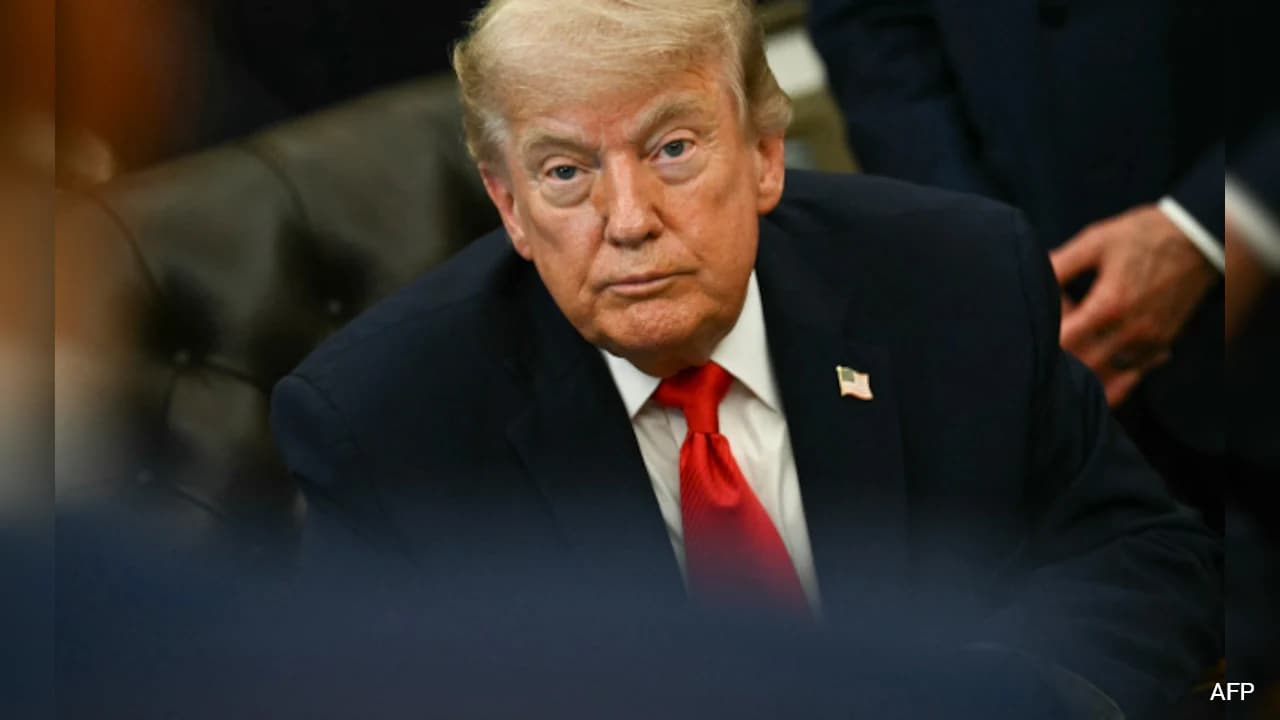
Despite US President Donald Trump's claims that sea mines have been cleared from the Strait of Hormuz, analysts warn of lingering risks and soaring insurance costs due to ongoing tensions with Iran.
- US President Trump claims the US Navy has neutralized all sea mines in the Strait of Hormuz.
- Iran's Deputy Foreign Minister dismissed the claims, stating only Tehran knows the mine locations.
- War-risk insurance premiums for vessels have surged from 1-3% to 7.5-10% of hull value.
- Experts warn that 'drifting' or uncharted mines still pose a significant threat.
The Strait of Hormuz, a critical artery for global energy supplies, remains a theater of high-stakes maritime tension. US President Donald Trump recently asserted that the US Navy has successfully removed or detonated all sea mines within the waterway. In a statement via Truth Social, Trump warned that any attempt by Iran to redeploy mines would result in immediate destruction.
However, these claims have been met with fierce skepticism from Tehran. Iran’s Deputy Foreign Minister, Kazem Gharibabadi, dismissed the US assessment as an attempt to "calm the markets." He emphasized that the exact locations of the mines remain a closely guarded Iranian secret and warned that US mine-detection vessels could become targets in the volatile region.
Why This Matters
BozokMedia analysis shows that the instability in the Strait of Hormuz transcends mere military maneuvering; it is a direct threat to global economic stability. As one-fifth of the world's oil and gas passes through this narrow passage, any perceived lack of safety triggers massive financial repercussions for the shipping industry.
Mine clearance is a tactical success, but it does not equate to strategic safety in a zone of active conflict.
Maritime analysts point out that even if major shipping lanes are cleared, the threat of "drifting" or uncharted mines persists. Furthermore, Iran is estimated to possess a stockpile of between 2,000 and 6,000 mines, including sophisticated "bottom mines" that sit on the seabed and trigger via magnetic or acoustic signatures, making them incredibly difficult to detect.
The economic fallout is already visible in the insurance markets. According to a report by S&P Global, war-risk insurance costs for ships traversing the strait have skyrocketed. Previously ranging from 1% to 3% of a vessel's hull value, premiums have now jumped to between 7.5% and 10%, detering many commercial operators from resuming regular transit.
Historical Background
Before the escalation of conflict in early 2026, the Strait of Hormuz facilitated the passage of approximately 130 ships daily. The waterway is vital for the transport of crude oil, tankers, and bulk carriers, serving as the primary exit point for Gulf producers to reach international markets.
Frequently Asked Questions
1. Why are insurance costs increasing?
The high risk of naval warfare and the presence of unverified mines make shipping through Hormuz extremely dangerous for insurers.
2. Can Iran easily replant mines?
Yes, experts suggest Iran has significant domestic production capabilities and large stockpiles of both traditional and sophisticated mines.