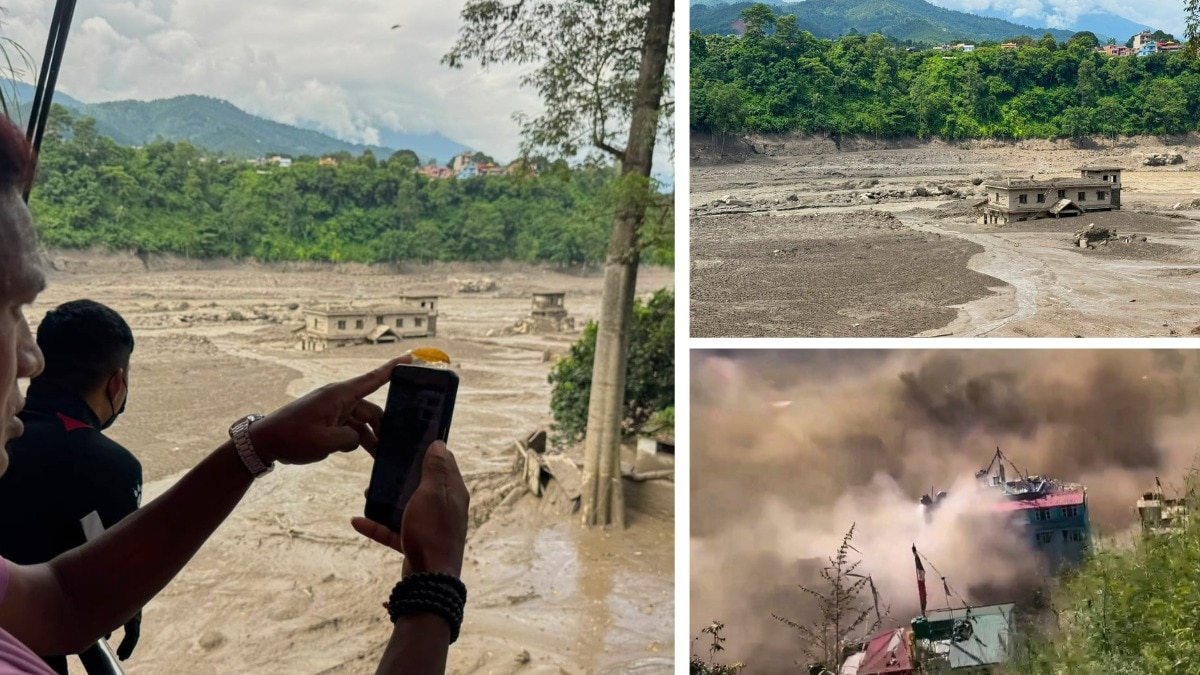
A devastating landslide triggered from the Nepal side has struck the Gyirong border crossing in Tibet, causing significant casualties and leaving many missing. Chinese leadership has mobilized emergency response teams to the disaster zone.
- A major landslide occurred near the Gyirong border crossing in Shigatse, Tibet, on Wednesday.
- The disaster, triggered from the Nepal side, has caused casualties and left several people missing.
- Infrastructure, including roads, power, and communication, is completely severed.
- President Xi Jinping and Premier Li Qiang have issued urgent directives for rescue and relief.
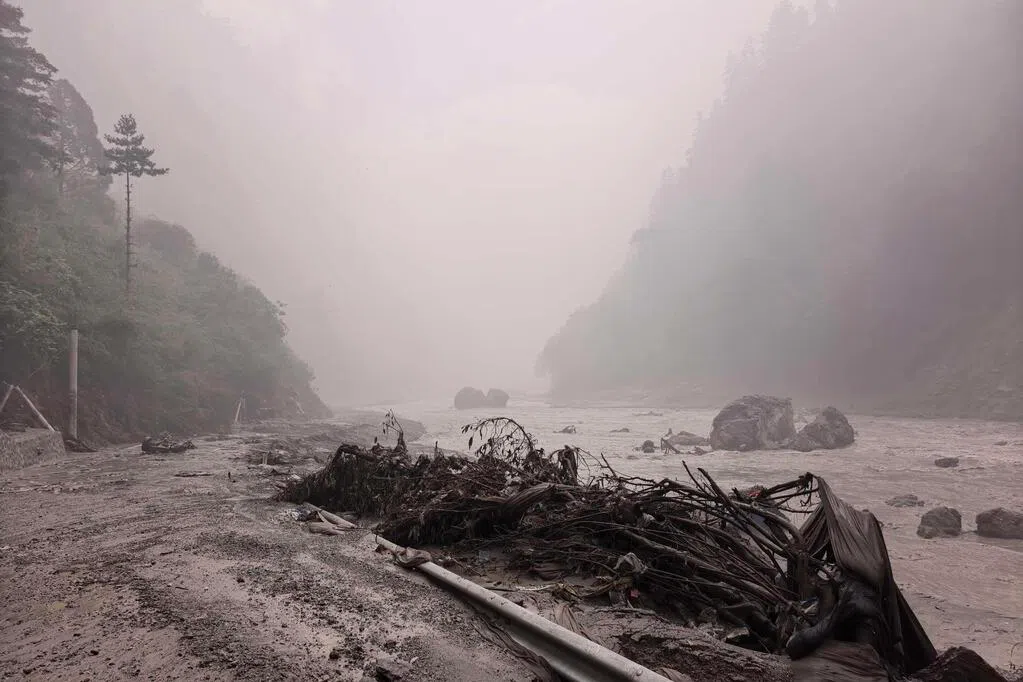
A catastrophic landslide struck near the Gyirong Port in Tibet's Shigatse prefecture on Wednesday, August 26, leading to significant casualties and leaving numerous individuals missing. The disaster originated from the Nepal side of the border, sending a massive surge of debris toward the critical transit point.
According to reports from Xinhua News Agency, the incident occurred around 10:30 AM. The impact was immediate and severe, resulting in the total disruption of road networks, telecommunications, and electricity supplies leading to the Gyirong Port. Aerial surveillance via drones has confirmed that several buildings have been completely buried under the landslide debris.
Why This Matters
BozokMedia analysis shows that the Gyirong Port is a vital artery for trade and connectivity between Tibet and Nepal. By linking Gyirong County to the Rasuwa region in Nepal, it provides a primary land route to Kathmandu. Any prolonged disruption at this crossing has significant implications for regional logistics and bilateral trade stability.
The sudden loss of communication and infrastructure in such a high-altitude terrain complicates rescue efforts and heightens the risk of secondary disasters.
Chinese President Xi Jinping has expressed grave concern, emphasizing that the top priority must be the search and rescue of missing persons. He ordered the immediate relocation of threatened residents and the rapid medical treatment of the injured to minimize loss of life. Furthermore, he stressed the importance of scientific rescue methods to prevent secondary disasters during the current flood prevention season.
Premier Li Qiang has also issued instructions to clarify the exact number of missing persons and to organize all available resources for rescue. He specifically directed the Ministry of Foreign Affairs to strengthen communication and coordination with Nepal to ensure a collaborative and effective response to the crisis.
Historical Background
The Himalayan region, where the Gyirong border is situated, is geologically active and highly susceptible to landslides and flash floods, especially during the monsoon season. The rugged terrain makes infrastructure maintenance a constant challenge for both China and Nepal, as seasonal weather patterns frequently threaten the stability of these crucial mountain passes.
Frequently Asked Questions
Question 1: What is the current status of the Gyirong Port?
Answer: The port is currently inaccessible due to severed roads, power, and communication lines caused by the landslide.
Question 2: Are international rescue efforts involved?
Answer: While the Chinese government is leading the response, Premier Li Qiang has called for close coordination with Nepal to manage the cross-border situation.