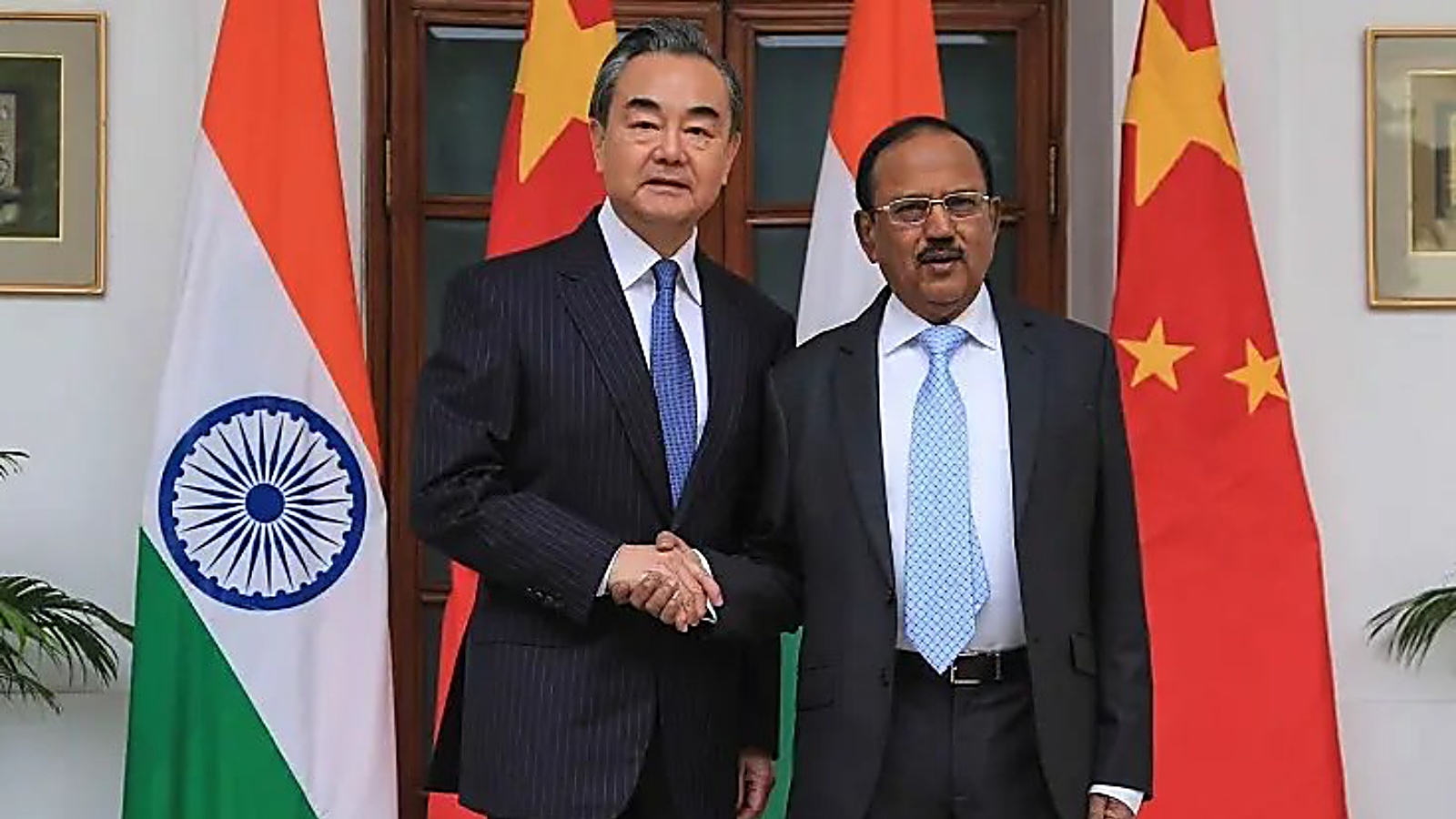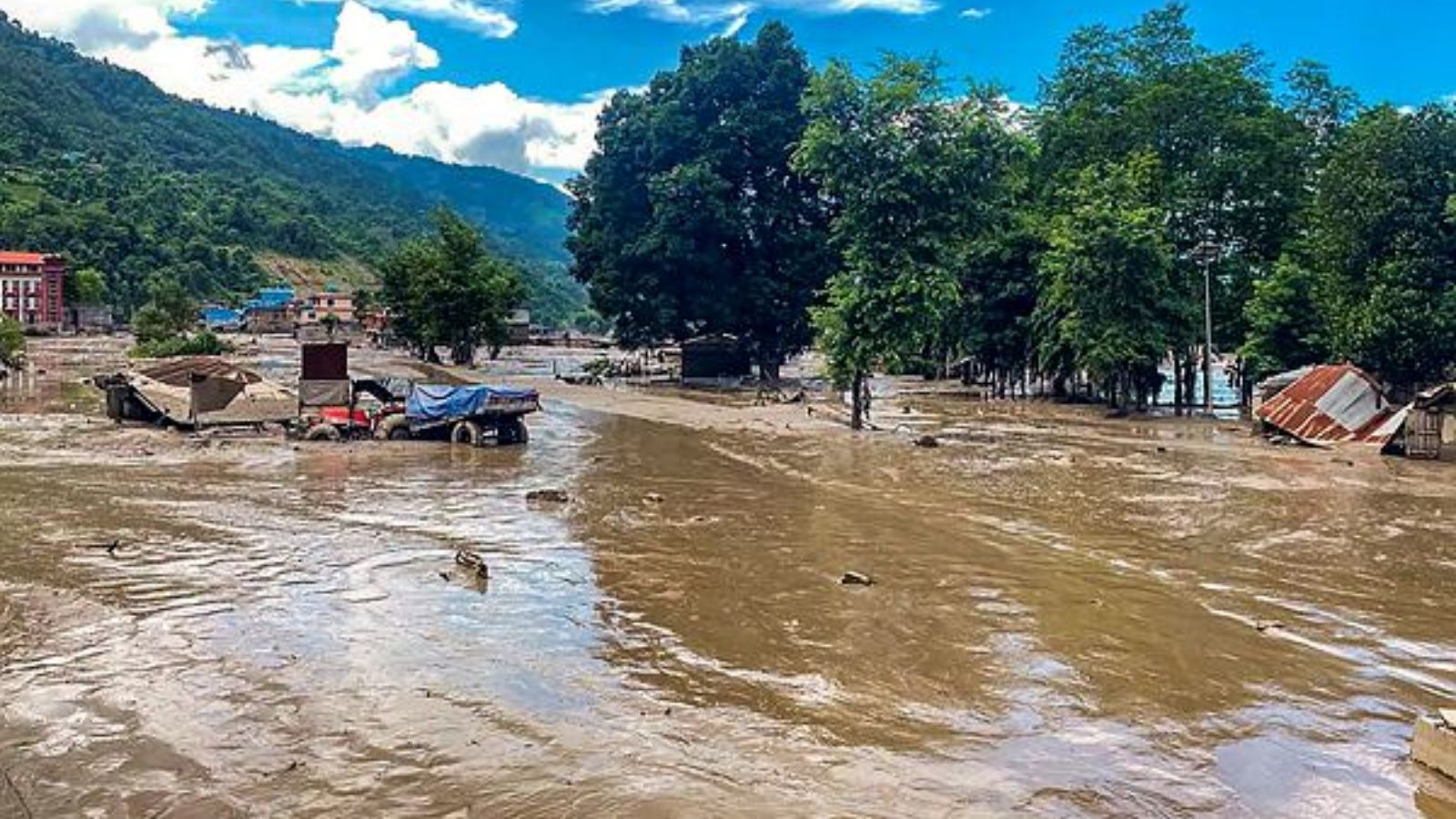
Following devastating flash floods in Nepal, Prime Minister Narendra Modi reached out to PM Balendra Shah to offer full humanitarian support. The IAF has already airlifted 10 tonnes of essential supplies to the region.
- PM Narendra Modi held a call with Nepal's PM Balendra Shah to convey condolences and support.
- The Indian Air Force (IAF) dispatched 10 tonnes of relief material via a C-130J aircraft.
- Relief supplies include medicines, temporary shelters, blankets, and hygiene kits.
- At least 157 deaths have been reported following the massive flash floods near the Nepal-Tibet border.
In a swift diplomatic and humanitarian response, Prime Minister Narendra Modi contacted Nepal’s Prime Minister Balendra Shah to express solidarity following the catastrophic flash floods that have ravaged parts of Nepal. PM Modi conveyed India’s readiness to provide "all possible humanitarian assistance" to the neighbor during this period of intense suffering.
Taking to X (formerly Twitter), PM Modi stated, "The people of India stand in solidarity with their sisters and brothers in Nepal at this difficult time." In response, PM Shah expressed deep appreciation for India's gesture, noting that it reflects the "enduring bonds of friendship" between the two nations.
Why This Matters
BozokMedia analysis shows that this rapid deployment of HADR (Humanitarian Assistance and Disaster Relief) resources underscores India's strategic role as a first responder in the South Asian region. Beyond politics, the scale of the disaster highlights the growing vulnerability of the Himalayan corridor to climate-induced extreme weather events.
India's swift response not only addresses an immediate humanitarian crisis but also reinforces its position as a reliable partner in regional disaster management.
External Affairs Minister S. Jaishankar confirmed that the Indian Air Force (IAF) has already dispatched 10 tonnes of essential supplies. The C-130J aircraft is carrying a critical cargo of medicines, temporary shelters, blankets, hygiene kits, and solar lamps to support the local response efforts.
Historical Context of Himalayan Disasters
The region has witnessed a terrifying pattern of disasters over the last decade. From the Sikkim glacial lake outburst in 2023 that claimed 179 lives to the Dhauliganga flash floods in 2021, the frequency of these events is rising. Analysts point toward a combination of climate change and rapid, often unplanned, infrastructure development in fragile mountain zones as primary drivers.
| Year | Location | Disaster Type | Impact |
|---|---|---|---|
| 2026 | Nepal-Tibet Border | Flash Flood | 157+ Deaths |
| 2023 | Sikkim, India | Glacial Lake Outburst | 179 Deaths |
| 2021 | Uttarakhand, India | Dhauliganga Flash Flood | 200+ Deaths |
The human cost remains high, with over 100 Indians reported missing, including tourists and workers from the Trishuli hydropower project. The Indian Embassy in Nepal and the Embassy in Beijing have issued emergency helplines to assist stranded Indian nationals.
Frequently Asked Questions
Question 1: What specific items were included in the Indian relief package?
Answer: The package includes 10 tonnes of medicines, temporary shelters, blankets, solar lamps, and hygiene kits.
Question 2: How many people have been affected by the Nepal floods?
Answer: At least 157 people have been confirmed dead, with the numbers expected to rise as rescue operations continue.