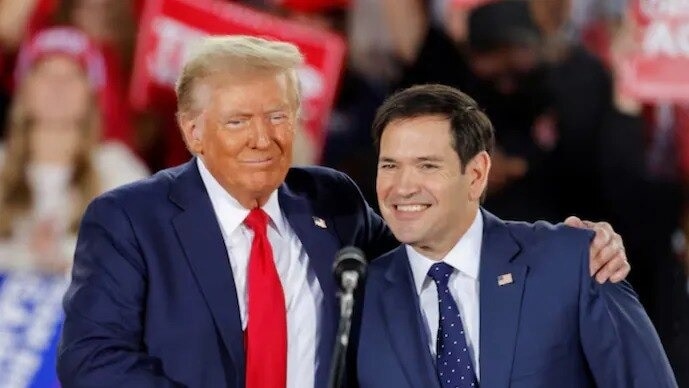
US Secretary of State Marco Rubio has signaled a strategic shift, telling allies that Washington will prioritize economic sanctions and maritime pressure over immediate military strikes against Iran.
- The US is currently avoiding initiating fresh military strikes against Iran.
- Washington plans to intensify economic sanctions and naval blockades.
- The military option remains open if Iran initiates an attack first.
- US naval operations have significantly weakened Iran's leverage in the Strait of Hormuz.
In a significant diplomatic briefing, US Secretary of State Marco Rubio has informed allied foreign ministers that the United States does not currently anticipate launching new military strikes against Iran. Instead, the Trump administration is pivoting toward a strategy of intensified economic and maritime pressure to squeeze Tehran's financial resources without immediate large-scale combat operations.
According to reports from Axios, the US intends to leverage its naval presence to maintain control over the strategically vital Strait of Hormuz. By ensuring that oil shipments move through sanctioned routes while blockading Iranian-controlled sectors, Washington aims to cripple Tehran's primary source of revenue. Recent observations show a sharp decline in tanker activity at Kharg Island, Iran's main oil export terminal, suggesting the blockade is gaining traction.
Why This Matters
BozokMedia analysis shows that this shift represents a calculated attempt by the Trump administration to achieve geopolitical objectives through 'economic warfare' rather than kinetic military action. This approach seeks to minimize the risk of a full-scale regional war while maximizing the pressure on the Iranian regime to return to the negotiating table.
The US is shifting from a policy of direct confrontation to one of strategic strangulation through economic means.
Despite the pause in direct strikes, the US has not ruled out military intervention. Officials emphasized that Washington remains prepared to act if Iran attacks first or makes significant strides toward acquiring a nuclear weapon. State Department spokesman Tommy Pigott reiterated that the administration is committed to cutting off the Iranian regime's remaining financial lifelines.
Diplomatic maneuvers are also occurring in the background. Pakistan's army chief, Field Marshal Asim Munir, recently traveled to Tehran to act as a mediator. While the White House has not confirmed active negotiations, the involvement of regional players like Pakistan and Oman—who are discussing a temporary navigational corridor in the Strait—indicates a complex web of back-channel diplomacy aimed at preventing a total maritime shutdown.
Frequently Asked Questions
1. Is the US planning to go to war with Iran?
Currently, the US is focusing on sanctions and maritime pressure, but military action remains a contingency if Iran attacks first.
2. How is the US affecting Iran's oil exports?
The US is using a naval blockade and strict sanctions to limit the number of tankers able to operate from Iranian ports like Kharg Island.