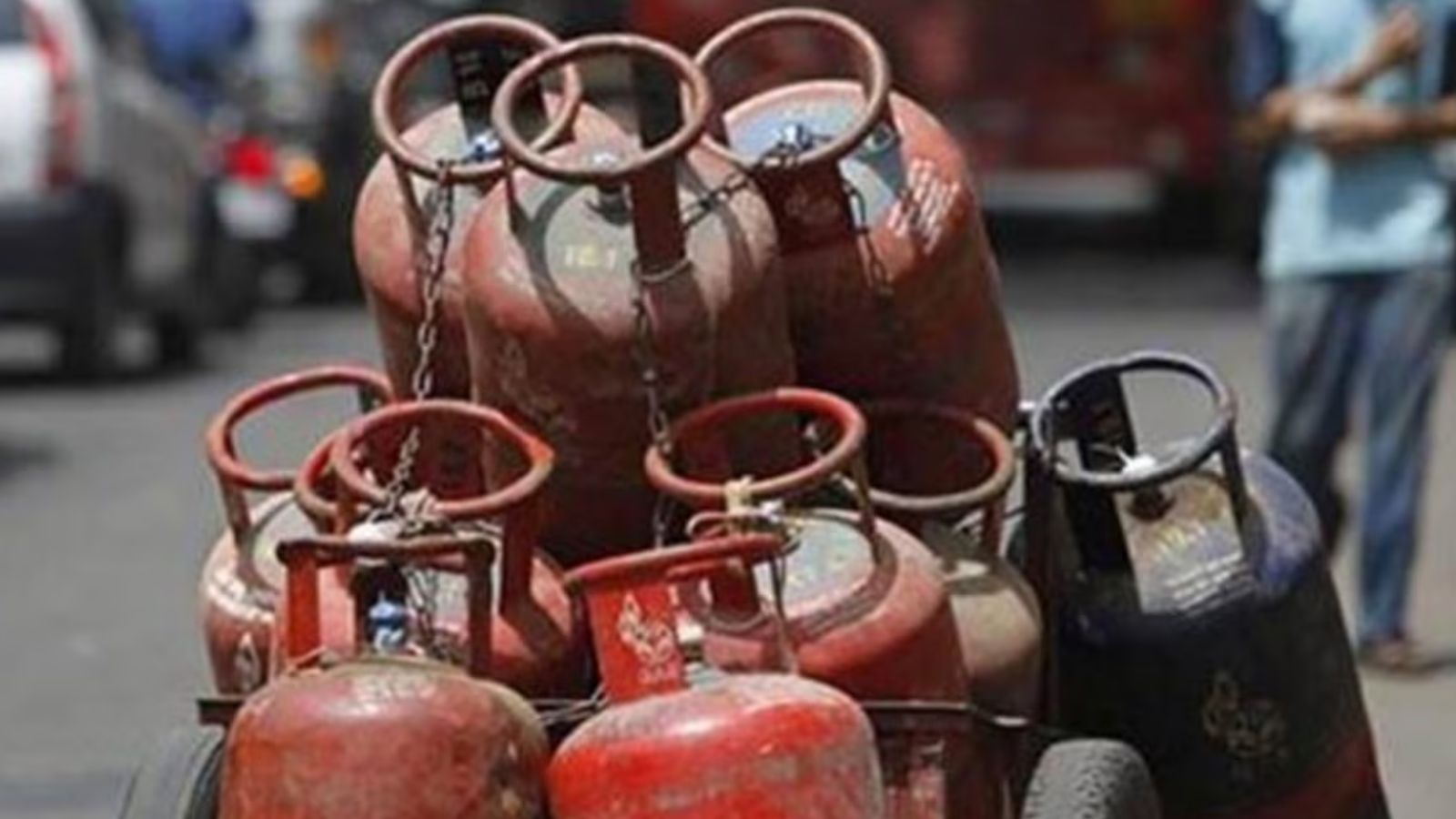
As conflict in West Asia disrupts traditional energy routes, India is rapidly pivoting to the US for LPG and LNG supplies. Qatar's LNG exports to India have hit zero amid the Strait of Hormuz crisis.
- Geopolitical tensions in the Strait of Hormuz have severely disrupted traditional Gulf energy supplies to India.
- The United States now accounts for over 73% of India's LPG imports as of August.
- LNG supplies from Qatar, India's largest provider, have plummeted to zero.
India is undergoing a significant strategic shift in its energy procurement as the escalating conflict in West Asia disrupts critical supply lines through the Strait of Hormuz. According to maritime intelligence firm Kpler, the disruption of shipping routes has forced India to increasingly rely on the United States for both liquefied petroleum gas (LPG) and liquefied natural gas (LNG).
Data reveals that India imported approximately 0.62 million tonnes of LPG from the US in August, following 0.89 million tonnes in July. Despite the slight volume decrease, the US has solidified its position as the dominant supplier, accounting for more than 73 per cent of India’s total LPG imports in August. In stark contrast, imports from the UAE fell to roughly 140,000 tonnes, while Qatar supplied only 60,000 tonnes. Most notably, India recorded zero LPG imports from Saudi Arabia during both July and August.
The LNG Supply Disruption
The crisis is even more pronounced in the LNG sector. Qatar, historically India's most vital LNG supplier, saw its shipments to India drop to zero in August. This is a massive departure from normal operations, where Qatar has previously supplied as much as 1.2 million tonnes of LNG to India in a single month. Meanwhile, US-sourced LNG rose slightly to 0.75 million tonnes in August from 0.72 million tonnes in July.
The reliance on long-haul suppliers from the Americas rather than regional Gulf producers is a direct consequence of the heightened maritime risks in the Middle East.
Why This Matters
BozokMedia analysis shows that this pivot toward more distant suppliers is a double-edged sword. While it secures supply, it significantly increases import costs. Cargoes traveling from the US to India must navigate much longer sea routes compared to those from the Persian Gulf, leading to higher freight rates and longer transit times. This shift could ultimately exert upward pressure on domestic energy prices in India.
Despite these shifts, India continues to maintain a highly diversified energy basket. The country remains heavily reliant on Russian crude oil, with imports estimated at approximately 1.87 million barrels per day in August. This is more than triple the amount imported from the UAE (0.61 million tonnes). Additionally, India has maintained significant crude imports from Venezuela, totaling roughly 383,000 barrels per day in August.
| Supplier Country | LPG Imports (Aug Est.) | LNG Status |
|---|---|---|
| United States | 0.62 Million Tonnes (>73%) | Increasing |
| UAE | 140,000 Tonnes | Decreasing |
| Qatar | 60,000 Tonnes | Zero |
| Saudi Arabia | Zero | Zero |
Frequently Asked Questions
1. Why has India's reliance on the US increased?
Security concerns and shipping disruptions in the Strait of Hormuz have made traditional Gulf supplies unreliable, prompting India to seek alternatives in the US.
2. How does this affect the Indian consumer?
Longer shipping distances from the US may increase the cost of importing gas, which could potentially lead to higher energy prices for end-users.