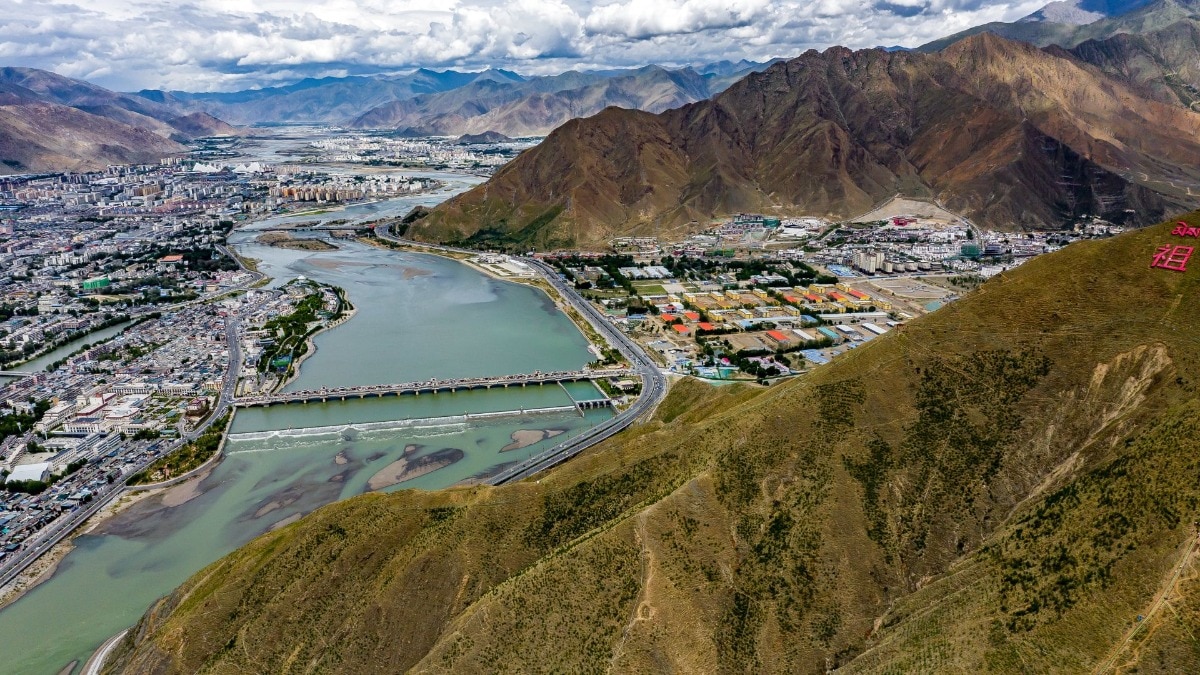
Following the catastrophic devastation in Nepal, experts have raised alarms over China's massive dam projects near the Indian border, labeling them as potential 'ticking bombs' for South Asia.
- China's massive dam projects in the Himalayan region pose a severe existential threat.
- Recent devastation in Nepal has highlighted the dangers of upstream water management.
- Experts warn that seismic activity in the Himalayas could trigger catastrophic dam failures.
The rapid expansion of Chinese infrastructure in the Himalayan belt has triggered a wave of alarm among geopolitical and environmental experts. Following the recent devastation in Nepal, concerns have intensified regarding the massive dams being constructed by China in proximity to the Indian border. These structures are being described as 'ticking bombs' that could unleash unprecedented destruction across South Asia.
Geologists point out that these mega-dams are being built in highly volatile seismic zones. The Himalayas are among the most tectonically active regions in the world. Should these massive concrete structures fail due to a major earthquake, the resulting surge of water would cause catastrophic flooding in downstream nations, most notably India and Nepal.
Why This Matters
BozokMedia analysis shows that China's approach to hydropower is increasingly being viewed through the lens of 'Water Nationalism.' By controlling the flow of major river systems, Beijing gains significant strategic leverage over the energy security, agriculture, and survival of its neighbors. This transforms hydraulic engineering into a potent tool of geopolitical coercion.
The construction of mega-dams in the seismically unstable Himalayan corridor without international oversight is a recipe for a continental disaster.
The recent environmental crises in Nepal serve as a grim preview of what could happen if upstream water management is handled poorly or maliciously. The lack of transparency regarding dam operations and water release schedules by China adds a layer of unpredictability and fear to the region.
Historically, the management of transboundary rivers in the Himalayas has been a delicate balancing act. However, the combination of massive damming projects and the accelerating pace of climate change—leading to glacial melt—has created a volatile cocktail that threatens the stability of the entire sub-continent.
Frequently Asked Questions
Question 1: How do Chinese dams pose a threat to India?
Answer: A dam breach or sudden, unannounced water release could cause massive flash floods in India's northern and northeastern states.
Question 2: What role did the Nepal disaster play in this warning?
Answer: The devastation in Nepal highlighted the extreme vulnerability of the region to sudden hydrological shifts and mismanagement in the upper reaches of rivers.
