Scientists confirm that a massive glacial collapse, rather than a standard earthquake-induced landslide, triggered the catastrophic flash floods on the Nepal-Tibet border.
- Preliminary investigations point to a 'glacial collapse' as the primary trigger for the Nepal-Tibet floods.
- The collapse released enough energy to register a magnitude 5.2 seismic event.
- The disaster has resulted in at least 177 fatalities and hundreds of people missing.
- Climate change and tectonic uplift are identified as the dual drivers of this instability.
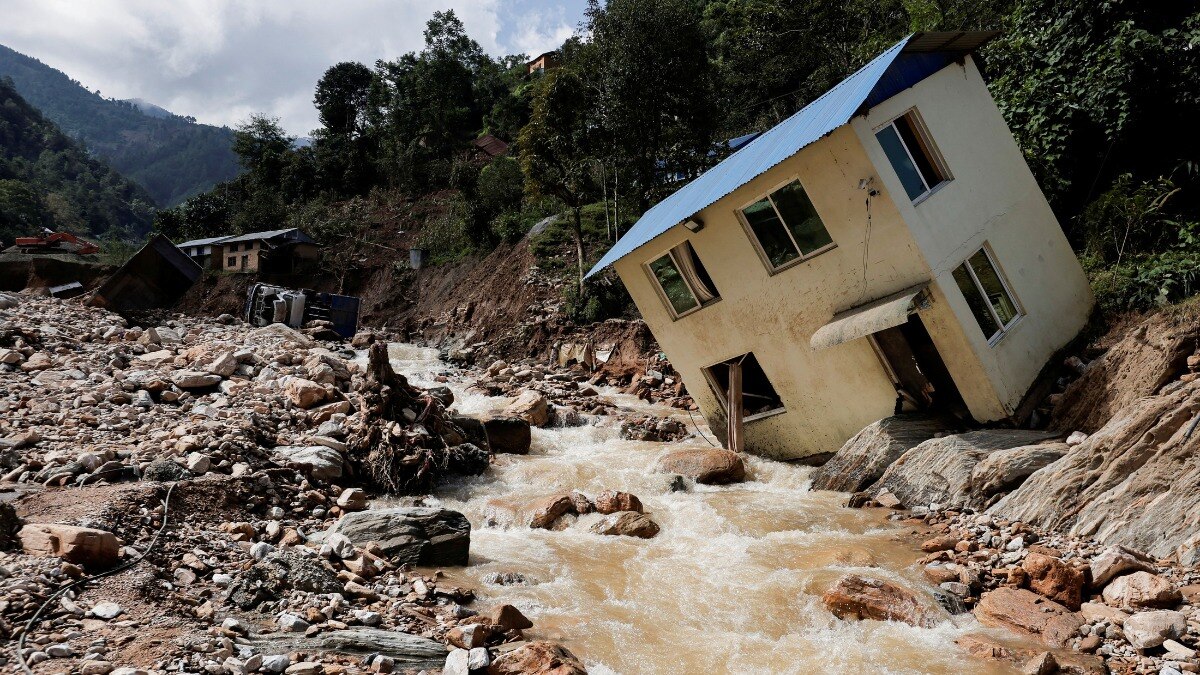
The devastating flash floods that struck the Nepal-Tibet border have been linked to a massive glacial collapse, according to preliminary scientific investigations. While initial reports suggested an earthquake had triggered landslides, the US Geological Survey (USGS) has clarified that the sudden disintegration of a glacier was the true catalyst for the disaster that has claimed at least 177 lives.
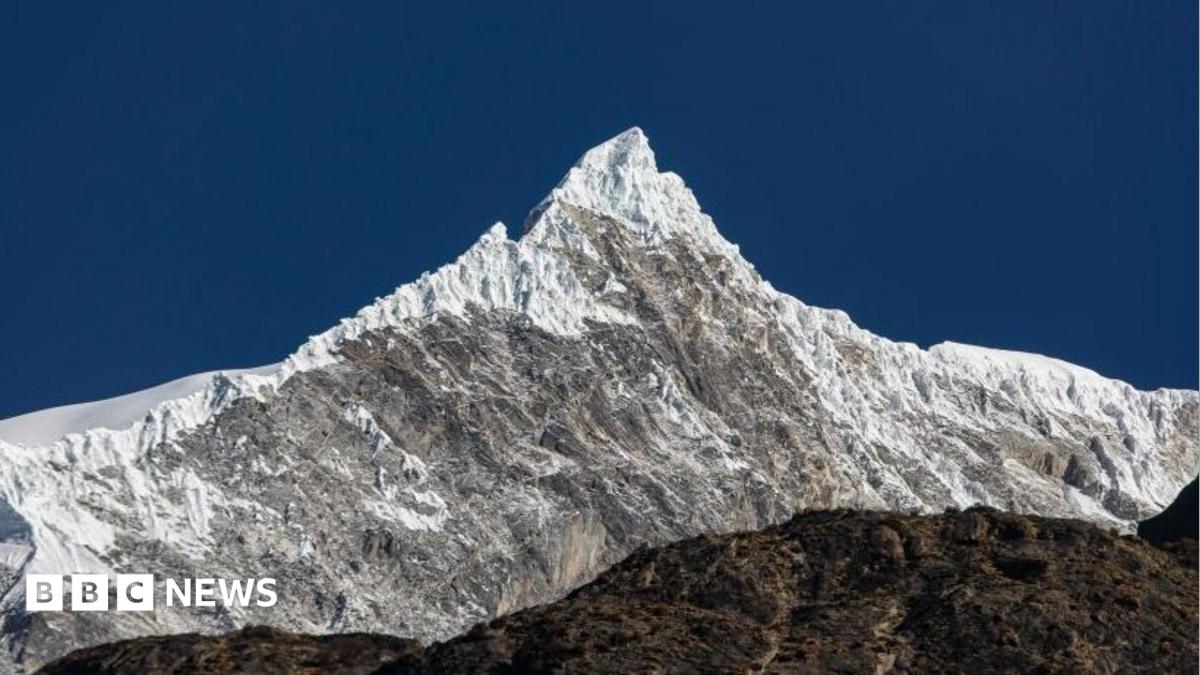
Dr. Simon Cook, a glacier expert from the University of Dundee, informed the BBC that his team detected a collapse in the lower section of a glacier near the Langtang Lirung peak. This peak is situated approximately 15km west of the flood site. The sheer force of the glacier hitting the valley floor was so immense that it registered a magnitude of 5.2 on the seismic scale.
Why This Matters
BozokMedia analysis shows that this event highlights the extreme vulnerability of the Himalayan region. The combination of steep topography and rapid melting creates a 'perfect storm' where sudden ice-rock avalanches can transform into unstoppable surges of water, sediment, and boulders within minutes.
The increasing frequency of these hazards in the cryosphere is becoming more visible than ever before due to the rapid pace of change.
The International Centre for Integrated Mountain Development (ICIMOD) found that an ice-rock avalanche from a high-altitude area dumped a massive volume of debris into the Lende Khola, a tributary of the Bhote Koshi river. This caused river levels to surge by seven to nine meters in just 30 minutes, wiping out critical water monitoring stations.
Professor Mike Searle of Oxford University explained that the disaster was likely fueled by two converging processes: long-term tectonic movement causing the Himalayas to rise and steepen, and human-induced climate change causing glaciers and permafrost to thaw. This destabilization makes large-scale collapses, which were previously rare, increasingly common.
| Factor | Impact on Stability |
|---|---|
| Tectonic Movement | Causes mountains to rise and glaciers to become steeper. |
| Climate Change | Melts ice and thaws permafrost, losing structural integrity. |
Frequently Asked Questions
1. What is the difference between a landslide and a glacial collapse?
A landslide involves earth and rock movement, whereas a glacial collapse specifically involves the structural disintegration of ice masses.
2. How does climate change affect glaciers?
Rising global temperatures cause glaciers to melt faster and thaw the permafrost that holds mountain slopes together.