A catastrophic glacial collapse and subsequent flash floods have devastated the Nepal-Tibet border region, leaving hundreds dead and hundreds more missing. Scientists warn that climate change is accelerating such high-risk events in the Himalayas.
- Massive landslides and flash floods triggered by a glacial collapse have struck the Nepal-Tibet border.
- At least 270 deaths have been confirmed in Nepal, with over 800 people still missing.
- USGS confirmed the event was a glacial collapse and debris flow, not an earthquake.
- Climate change and thawing permafrost are cited as major underlying risk factors.
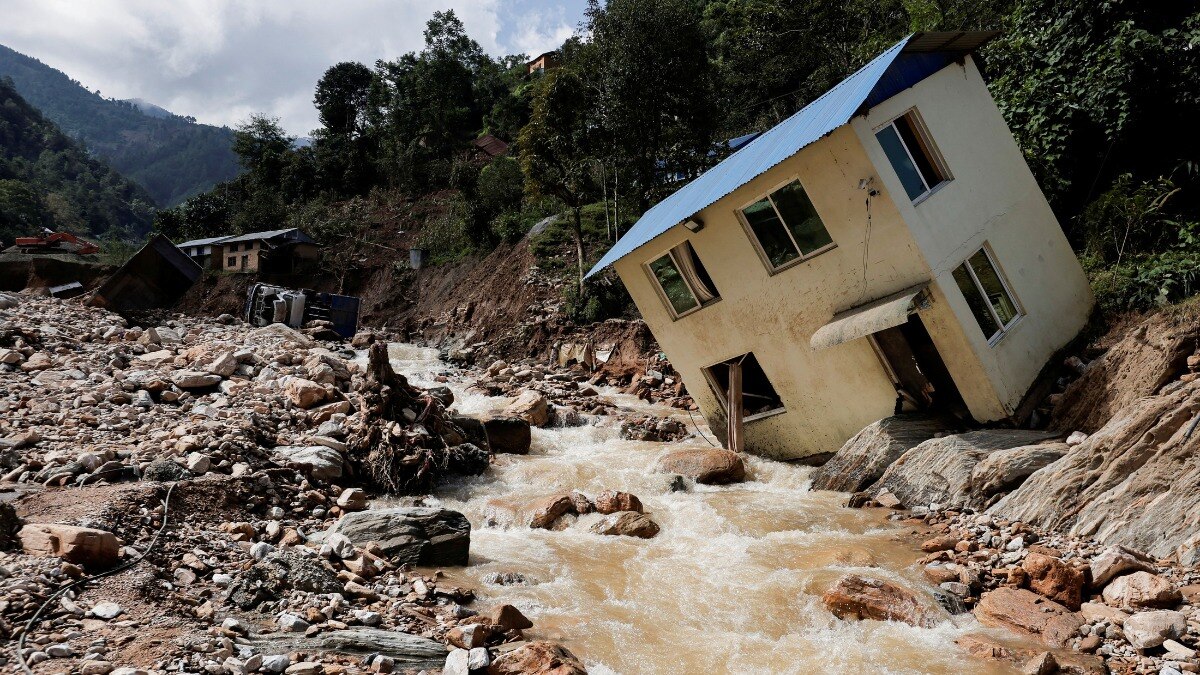
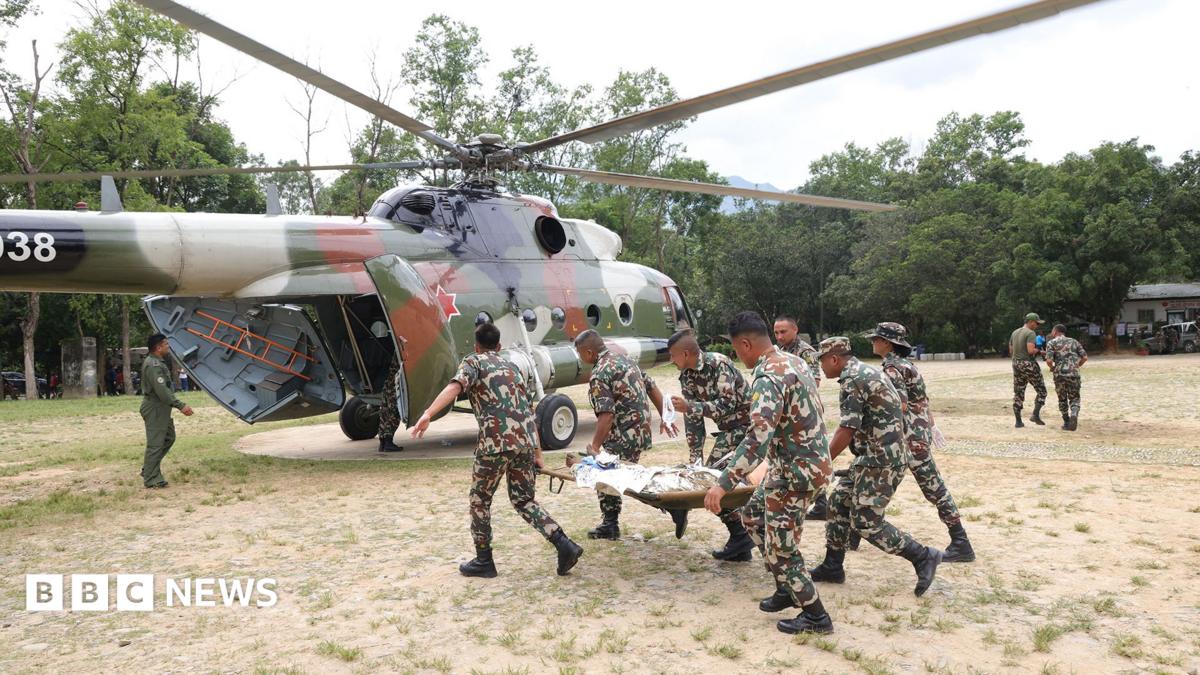
The border region between Nepal and Tibet is reeling from a massive natural disaster. A series of catastrophic landslides and flash floods have caused widespread destruction, resulting in hundreds of casualties and leaving a significant number of people missing. Search and rescue operations are currently underway, facing immense challenges due to the unstable terrain and rushing waters.
The Science Behind the Disaster: While initial reports from Nepali officials suggested a possible earthquake, the United States Geological Survey (USGS) has clarified that the event was actually a "glacial collapse and debris flow." A massive chunk of ice and rock collapsed from a mountain, creating a wave of debris that surged downstream, turning into a lethal wall of mud and water.
Why This Matters
BozokMedia analysis shows that this event highlights the extreme vulnerability of the Hindu Kush Himalaya region to rapid environmental changes. As global temperatures rise, the degradation of permafrost—which acts as a natural glue for mountain slopes—is making the region increasingly prone to such sudden, high-magnitude disasters.
The sheer wave of debris suggests a landslide first, which dammed the river, followed by a catastrophic burst of water.
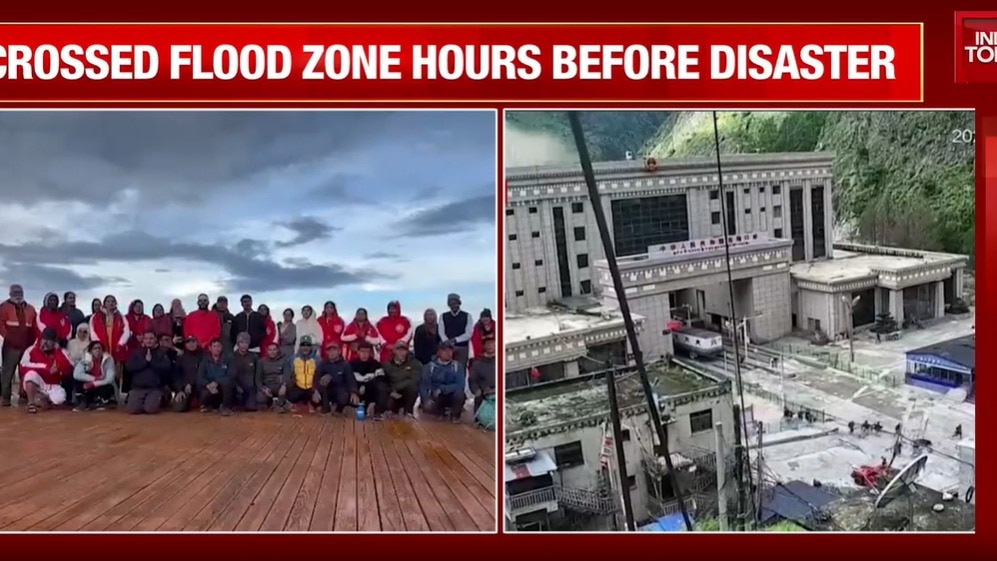
The destruction has been visible in the Nuwakot region, where footage shows a towering wall of mud sweeping away entire buildings and vehicles. Major river systems, including the Trishuli, Bhote Koshi, and Narayani, have experienced severe flooding. The impact has been felt on both sides of the border, with significant casualties reported in Tibetan counties as well.
Casualties and Missing Persons: The scale of the tragedy is immense. Nepali police report at least 270 deaths, with hundreds more missing, including a large number of foreign tourists. China's state broadcaster, CCTV, has also reported hundreds of missing persons in Tibet's Gyirong county. The exact number of casualties remains fluid as rescue teams reach more remote areas.
| Region | Reported Deaths | Missing Persons (Approx) |
|---|---|---|
| Nepal | 270+ | 826+ |
| Tibet (China) | 3 | 558 |
Frequently Asked Questions
1. Was there an earthquake in the region?
No, despite initial reports, the USGS confirmed the seismic signature was caused by a glacial collapse, not a tectonic earthquake.
2. What is the role of climate change here?
Climate change is causing faster glacier melt and thawing permafrost, which destabilizes mountainsides and increases the frequency of landslides.