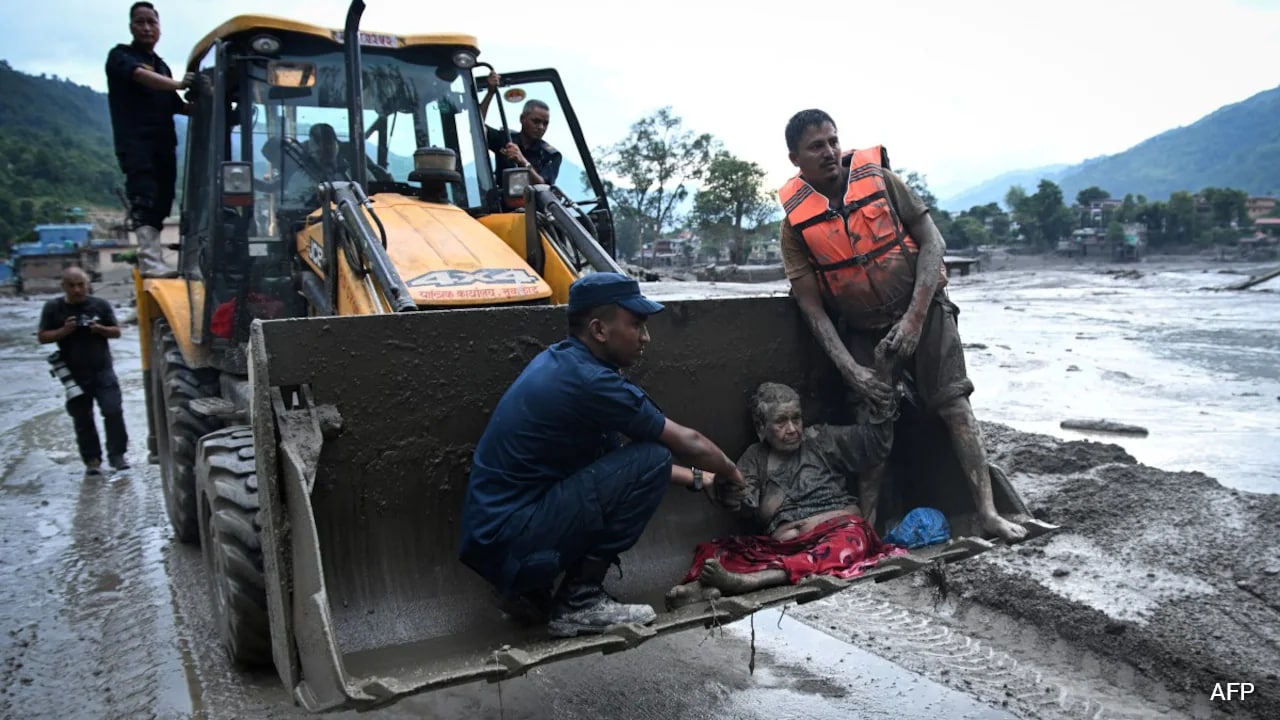
Massive surges from the Bhote Kosi and Trishuli rivers have devastated parts of Nepal, sweeping away homes, infrastructure, and power plants. Experts warn of further flood risks due to river blockages.
The scale of destruction in Nepal has reached catastrophic proportions as the surge of two major rivers—the Bhote Kosi and the Trishuli—swept through various villages and towns. Aerial footage captured in the aftermath depicts a landscape transformed by chaos, with entire settlements effectively erased by the relentless force of the water. The surge did not merely flood the land; it physically transported entire structures downstream.
Infrastructure in Ruin
The impact on vital infrastructure has been profound. Beyond the loss of residential homes, the floods have dismantled the connectivity of the region by sweeping away critical roads and bridges. Furthermore, local power plants, which are essential for the region's energy security, have been destroyed, leaving thousands in the dark and complicating emergency response efforts.
Why This Matters
BozokMedia analysis shows that the destruction of power plants and transport links creates a compounding crisis, where the ability to deliver aid is crippled at the exact moment it is most needed. This highlights the urgent need for climate-resilient infrastructure in high-risk mountainous zones.
A lingering blockage in a riverbed can act as a temporary dam, creating a high-risk scenario for an imminent and even more sudden flash flood.
Historical Background: Nepal's topography, characterized by steep mountains and fast-flowing river systems, makes it naturally susceptible to flash floods. However, the increasing frequency of extreme weather events linked to global climate shifts has turned these seasonal risks into recurring national emergencies.
Frequently Asked Questions
Question 1: Which rivers caused the most damage in Nepal?
Answer: The Bhote Kosi and Trishuli rivers were the primary drivers of the recent devastation.
Question 2: Is there an immediate threat of more flooding?
Answer: Yes, experts are concerned that debris-induced blockages in the rivers could lead to secondary flood waves.