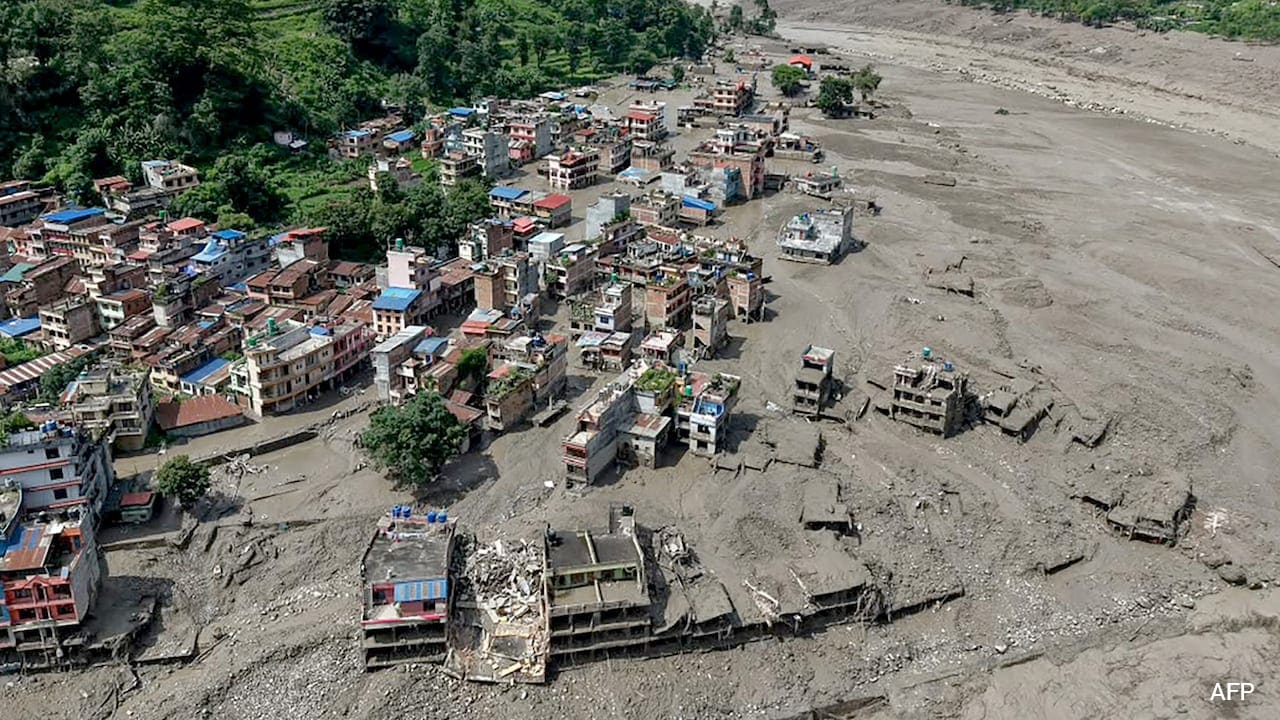
A magnitude 4.9 earthquake in Nepal has potentially destabilized 'cirque glaciers,' raising fears of catastrophic flash floods, according to ISRO reports.
- A 4.9 magnitude earthquake struck the Nepal region.
- Seismic activity may have triggered the collapse of 'cirque glaciers.'
- High risk of devastating flash floods in downstream areas.
The Himalayan region is currently on high alert following recent seismic activity. According to data analyzed by the Indian Space Research Organisation (ISRO), a magnitude 4.9 earthquake may have acted as a catalyst for a dangerous geological event: the collapse of cirque glaciers in Nepal.
Cirque glaciers are specialized ice masses located in bowl-shaped depressions on mountain slopes. The structural integrity of these glaciers is highly sensitive to ground vibrations. Experts suggest that the recent tremor could have weakened the ice-rock interface, potentially leading to a massive release of water and debris.
Why This Matters
BozokMedia analysis shows that the intersection of seismic instability and glacial melting creates a 'perfect storm' for natural disasters. In Nepal, where many settlements are located near mountain runoff paths, a sudden glacial collapse can lead to lethal flash floods that move with immense speed and force, leaving little time for evacuation.
The destabilization of high-altitude glaciers represents one of the most unpredictable and deadly threats in modern mountain geography.
Historically, the Himalayan range has been prone to Glacial Lake Outburst Floods (GLOFs) and sudden debris flows. As global temperatures rise, these glaciers become more brittle, making them even more susceptible to earthquake-induced collapses. The current situation in Nepal underscores the urgent need for advanced satellite monitoring and real-time hydrological tracking.
Authorities are currently monitoring satellite imagery to detect any signs of movement in the glacier fronts. Local governments have been advised to prepare emergency response teams in high-risk downstream zones to mitigate potential loss of life.
Frequently Asked Questions
Question 1: What is a cirque glacier?
Answer: A cirque glacier is a type of glacier that forms in a bowl-shaped hollow on the side of a mountain.
Question 2: How does an earthquake cause a flood?
Answer: An earthquake can shake the glacier, causing it to break apart and release huge volumes of water and ice instantly, creating a flash flood.