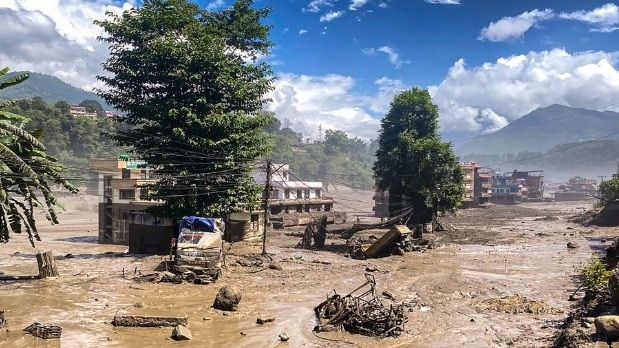
As devastating flash floods ravage Nepal, social media theories suggest Chinese involvement. We analyze the claims and Beijing's official response.
- Severe flash floods have caused widespread destruction across Nepal.
- Conspiracy theories on social media allege Chinese involvement in the disaster.
- Beijing has issued a response addressing the 'Made in China' claims.
The recent catastrophic flash floods in the mountainous regions of Nepal have sent shockwaves through South Asia. The disaster has caused immense destruction to infrastructure and significant loss of life. Amidst the chaos, a controversial narrative has emerged on social media, questioning whether this disaster is 'Made in China'—implying that Chinese activities or dam management might be the underlying cause.
The Root of Controversy: Social Media Claims and Geopolitical Tensions
As water levels surged in Nepal, digital discourse quickly turned toward geopolitical suspicion. Critics and netizens have alleged that construction activities or water management policies near the Chinese border could be responsible for the sudden deluge. However, no empirical scientific evidence has been presented to substantiate these claims, which often gain traction during periods of heightened regional tension.
Why This Matters
BozokMedia analysis shows that the politicization of natural disasters can severely impact regional diplomacy and trust. For a nation like Nepal, situated strategically between two giants, India and China, environmental disasters often transform into complex geopolitical challenges that influence international relations and security frameworks.
The intersection of climate catastrophe and geopolitical finger-pointing often obscures the urgent need for scientific truth and humanitarian aid.
Beijing's Response: Addressing the growing speculation, Chinese authorities have maintained a stance of caution, refuting the allegations of direct involvement. Beijing has emphasized that climate change and erratic weather patterns in the Himalayan belt are the primary drivers of such extreme weather events, rather than man-made interventions from their side.
Historical Background: Climate Vulnerability in the Himalayas
The Himalayan region remains one of the most climate-vulnerable zones on Earth. Over the past few decades, the accelerated melting of glaciers and shifts in monsoon patterns have led to a marked increase in the frequency of flash floods in Nepal. This is not merely a local phenomenon but a critical indicator of the global climate crisis affecting high-altitude ecosystems.
Frequently Asked Questions
Question 1: Is there a link between Nepal's floods and Chinese dams?
Currently, there is no verified scientific consensus linking specific Chinese dam operations to the recent flash floods in Nepal.
Question 2: What is the primary cause of the flooding in Nepal?
Meteorologists point to unprecedented heavy rainfall and rapid glacial melt as the fundamental causes.