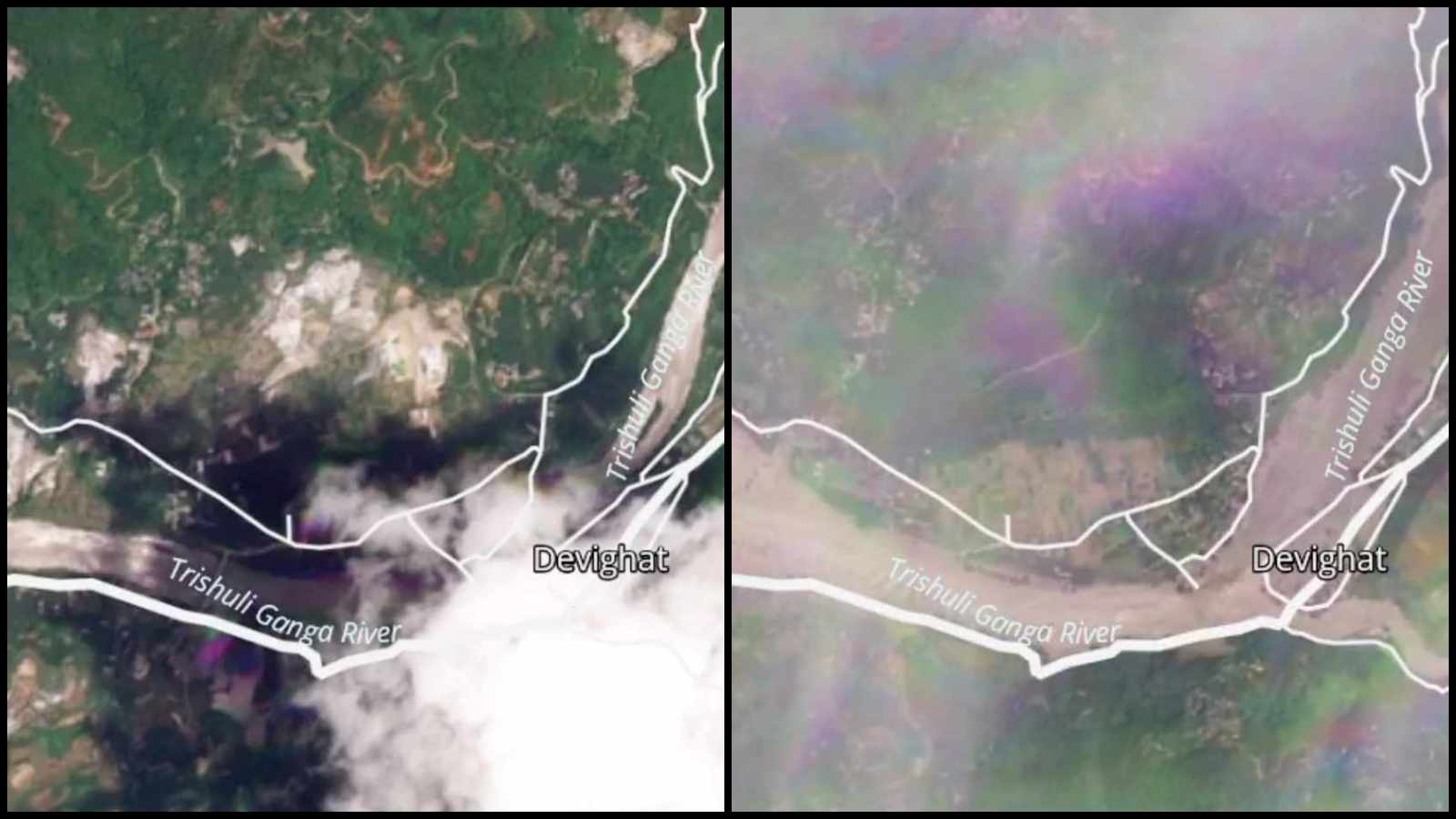
A catastrophic flash flood in northern Nepal has claimed at least 160 lives, with hundreds still missing. Satellite imagery confirms the complete destruction of villages and infrastructure across Rasuwa and surrounding districts.
- At least 160 dead and hundreds missing in Nepal and Tibet.
- Flash floods in the Bhote Koshi River hit Rasuwa, Nuwakot, and Dhading districts.
- Satellite images confirm total destruction of settlements and infrastructure.
- Authorities issue urgent evacuation warnings for residents near Bhote Koshi and Trishuli rivers.
A massive flash flood struck northern Nepal on Wednesday, leaving a trail of unprecedented destruction. The disaster has claimed at least 160 lives, while hundreds of people remain missing across the border in both Nepal and Tibet. The surge originated from the Bhote Koshi River, which flows from Tibet into Nepal, engulfing multiple districts including Rasuwa, Nuwakot, and Dhading.
According to the National Disaster Risk Reduction and Management Authority (NDRRMA), the swollen river swept away settlements along a 60-km stretch starting from Xylong in Tibet. The impact has been most severe in the Timure and Syapru Besi areas of the Rasuwa district, where entire villages, market centers, and critical infrastructure projects have been washed away by the torrent.
Why This Matters
BozokMedia analysis shows that the increasing frequency of Glacial Lake Outburst Floods (GLOFs) and extreme weather events in the Himalayan region poses a systemic risk to transboundary water management and regional stability. The devastation in Nepal highlights the urgent need for improved early warning systems in high-altitude zones.
The rapid scale of destruction captured by satellite imagery underscores the intensifying volatility of Himalayan river systems.
To assess the damage, the NDRRMA utilized satellite imagery from PlanetLab, supported by the Stimson Center. These "before and after" images provide a chilling look at the devastation in the Devighat, Betrawati, Hakubesi, and Syaphrubesi areas. Preliminary studies suggest that an ice-rock landslide near the Nepal-China border triggered the massive surge in the Lhenda Khola, leading to the catastrophic flooding.
Historical Background
The Himalayan belt is one of the most geologically active and climate-sensitive regions in the world. Historically, flash floods and landslides have been recurring threats to the local population. However, the combination of melting glaciers and rapid infrastructure development in flood-prone valleys has exacerbated the mortality and economic loss in recent years.
Frequently Asked Questions
1. Which areas are currently under high alert?
Residents living along the banks of the Bhote Koshi and Trishuli rivers are advised to move to higher ground immediately.
2. What caused the sudden rise in water levels?
Initial satellite analysis indicates an ice-rock landslide near the border triggered the surge in the Lhenda Khola.