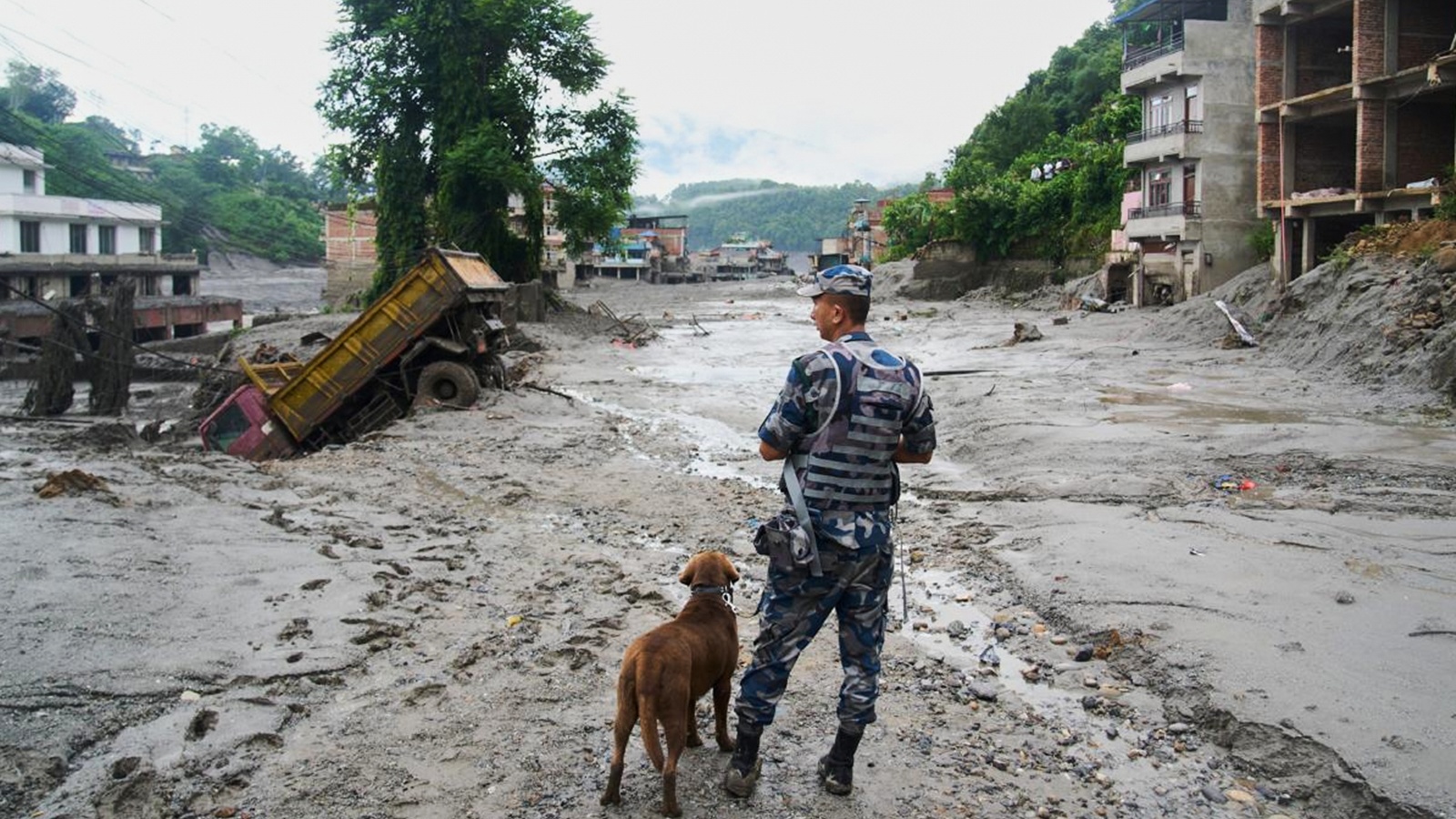
Devastating flash floods triggered by a glacial collapse in Nepal have severely damaged multiple hydropower units, significantly reducing electricity exports to India.
- Glacial collapse in the Himalayas triggered massive flash floods across Nepal.
- Electricity supply from Nepal to India has been slashed by 50%, from 800 MW to 400 MW.
- Major plants including Devighat, Chilime, and Trisuli have been affected.
- The death toll from the floods has reached 359.
A series of devastating flash floods, triggered by a collapsing glacier in the Himalayan region between Nepal and Tibet, has struck the energy infrastructure of Nepal. The disaster has not only crippled domestic power generation but has also severely impacted the cross-border energy trade with India.
According to senior Indian government officials, Nepal has been forced to reduce its power exports to India by half. Prior to the floods, the supply stood at approximately 800 megawatts (MW), which has now plummeted to at least 400 MW. The Devighat hydropower plant, a critical unit for Indian energy imports, is among those heavily impacted by the rising waters.
Why This Matters
BozokMedia analysis shows that the seasonal energy interdependence between India and Nepal is highly vulnerable to climate-induced disasters. During the monsoon, India relies on Nepal's surplus hydroelectricity. Any disruption in this corridor can lead to sudden volatility in regional power grids and economic implications for energy importers.
The destabilization of Himalayan glaciers represents a systemic risk to the entire South Asian energy security framework.
The Nepal Energy Ministry reported that approximately 13 hydroelectric plants and one solar plant have been affected, impacting a total capacity of nearly 359 MW. Significant damage has been reported in the Rasuwa district, affecting major projects like Upper Trishuli-1 and Rasuwagadhi, as well as units in the Nuwakot district.
Impacted Projects Overview
| District | Affected Projects | Estimated Capacity Impact |
|---|---|---|
| Rasuwa | Upper Trishuli-1, Rasuwagadhi, Rasuwa Bhotekoshi | ~578 MW (Operational & Under-construction) |
| Nuwakot | Trishuli, Devighat, Upper Trishuli-3A/3B | ~175 MW |
Beyond India, the floods have also disrupted power supplies to Bangladesh, as the Chilime and Trisuli plants are among the affected facilities. The humanitarian crisis is equally grim, with the death toll surging to 359 as rescue operations continue in the rugged terrain.
Frequently Asked Questions
1. How much has the power supply to India decreased?
The supply has been reduced by roughly 50%, dropping from 800 MW to approximately 400 MW.
2. What caused the flash floods in Nepal?
The floods were triggered by a glacier collapse in the Himalayan region between Nepal and Tibet.