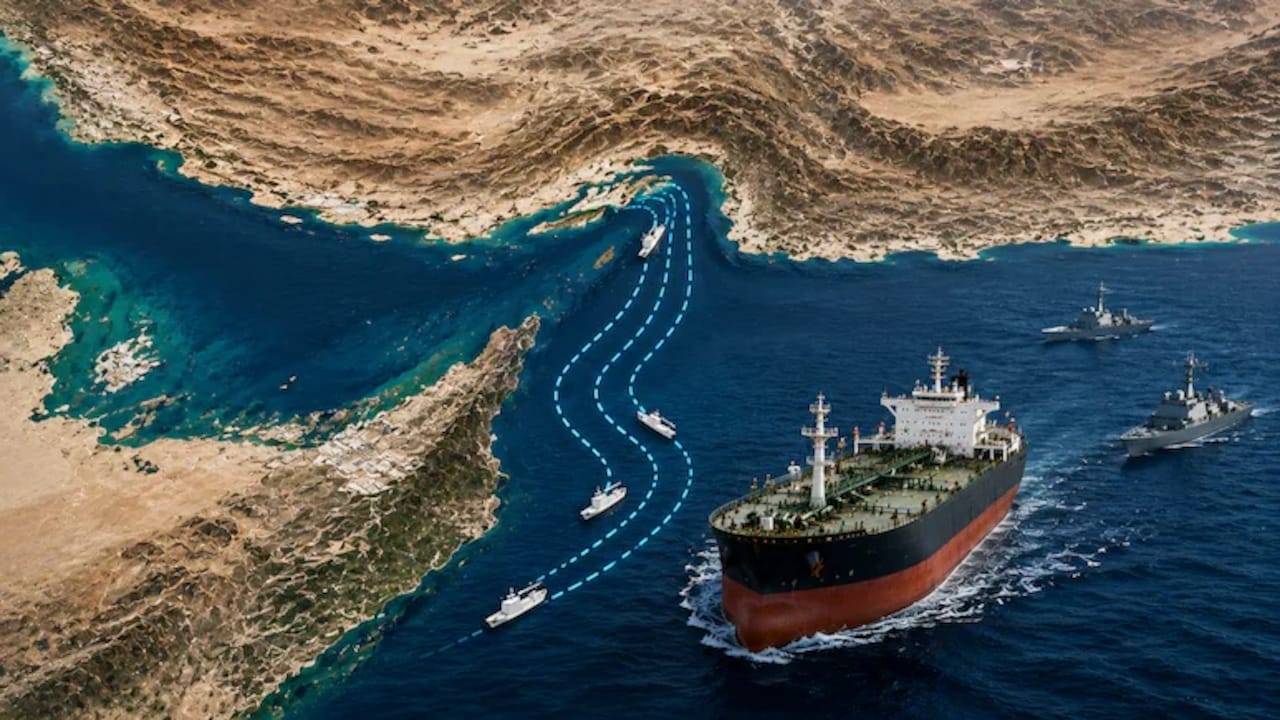
As the conflict with Iran enters its sixth month, the United States has pivoted its strategic focus toward reopening the Strait of Hormuz to prevent a global energy catastrophe.
- The Strait of Hormuz facilitates the transit of approximately 20% of the world's oil.
- Reopening the strait was not part of the initial strategic objectives of the Trump administration.
- Current geopolitical shifts have made maritime security in the region a top priority for Washington.
Six months into the escalating conflict with Iran, the strategic landscape has undergone a profound transformation. The United States, once focused on direct military containment, is now facing a much more complex economic reality: the critical need to reopen the Strait of Hormuz. This narrow waterway serves as the jugular vein of the global energy market, with roughly 20% of the world's petroleum passing through its waters.
Intelligence reports and diplomatic cables suggest that the reopening of this vital shipping lane was not among the original objectives set by the administration. However, the prolonged nature of the conflict has turned a tactical military engagement into a systemic threat to global commerce. The potential for a sustained blockade has forced U.S. policymakers to reassess their entire regional strategy.
Why This Matters
BozokMedia analysis shows that the Strait of Hormuz is not merely a geographic chokepoint; it is a global economic stabilizer. Any disruption in this corridor triggers immediate volatility in crude oil futures, impacting everything from consumer gas prices in the U.S. to manufacturing costs in Asia. For Washington, ensuring the flow of oil is now as critical as the military objectives themselves.
The Strait of Hormuz is the ultimate geopolitical lever in the modern energy era.
Historically, the Strait has been a flashpoint for international tension. Throughout the late 20th century and into the 21st, the threat of closure has been used as a potent tool of brinkmanship. The current six-month stalemate has heightened these fears, moving them from theoretical risks to immediate economic realities.
The U.S. military and diplomatic corps are now working in tandem to devise a framework that ensures safe passage for commercial tankers. This involves a delicate balance of increased naval presence and high-stakes maritime diplomacy to prevent a total shutdown of the lane.
Frequently Asked Questions
1. How much oil passes through the Strait of Hormuz?
Approximately 20% of the world's total oil supply passes through this strait.
2. Why is the U.S. changing its focus?
The prolonged conflict has made the economic threat of a blocked oil route a higher priority than initial military goals.