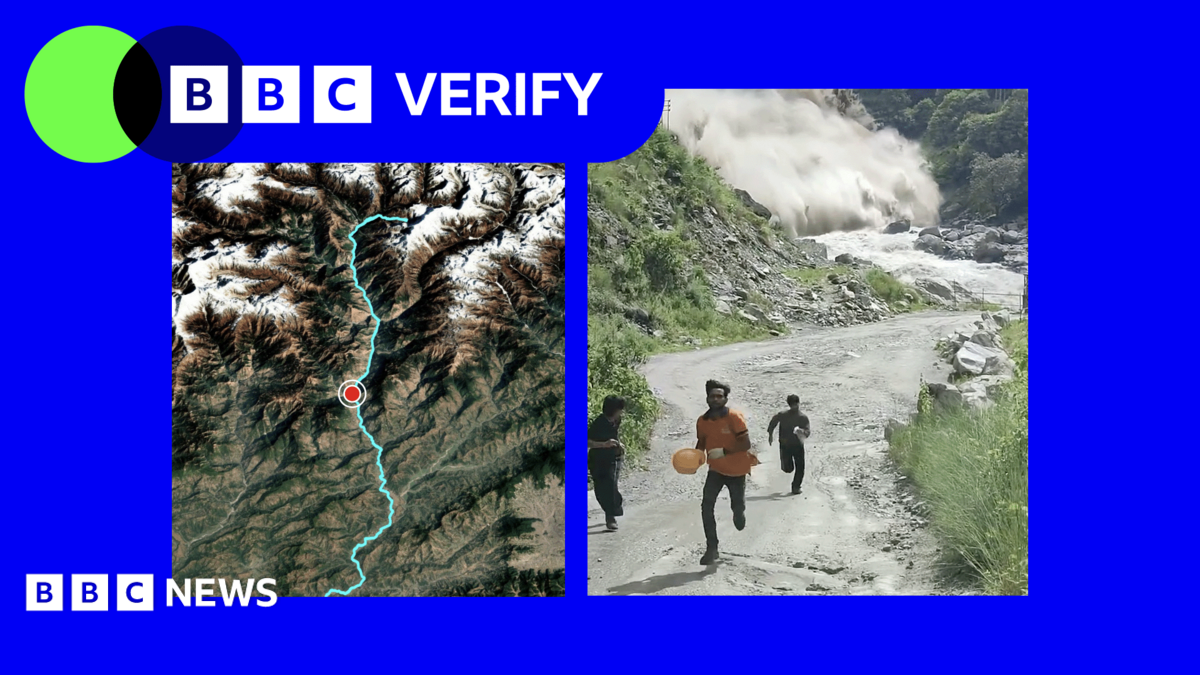
Using verified video footage and satellite imagery, BBC Verify has mapped the devastating trajectory of the flash floods that have ravaged the Nepal-Tibet border region, leaving hundreds dead and missing.
- Devastating flash floods strike the Nepal-Tibet border region.
- Hundreds feared dead, with hundreds more reported missing.
- BBC Verify utilized satellite imagery and verified footage to trace the flood's path.
The border region between Nepal and Tibet has been struck by a catastrophic flash flood, leaving a trail of destruction in its wake. The sudden surge of water has decimated entire towns and swept away critical bridges, severing vital transport links in the mountainous terrain. Reports indicate a staggering loss of life, with hundreds feared dead and hundreds more still missing.
In a detailed investigative report, BBC Verify has successfully traced the exact path taken by the deadly floodwaters. By synthesizing verified eyewitness videos with advanced satellite imagery, investigators have reconstructed the sequence of events that led to this massive humanitarian crisis.
Why This Matters
BozokMedia analysis shows that the increasing frequency of such extreme weather events in the Himalayan corridor is a direct consequence of shifting climatic patterns. This disaster highlights the extreme vulnerability of high-altitude settlements to rapid-onset hydrological events, which can overwhelm local emergency responses in minutes.
The sheer velocity and volume of the water recorded in these videos underscore the unprecedented scale of current Himalayan flash flood events.
The floodwaters moved with immense force through narrow mountain valleys, gaining momentum before crashing into populated areas. This momentum resulted in the complete destruction of infrastructure, making rescue operations incredibly perilous for local authorities and international aid groups alike.
Historical Background
The Himalayan region has long been susceptible to natural disasters such as landslides and glacial lake outburst floods (GLOFs). However, the scale of recent disasters suggests that the melting of glaciers and erratic monsoon cycles are intensifying these occurrences, creating a new and more dangerous normal for the residents of Nepal and Tibet.
Frequently Asked Questions
Question 1: What caused the flooding in the Nepal-Tibet region?
Answer: The flooding was a sudden flash flood, likely triggered by heavy rainfall or rapid glacial melting.
Question 2: What is the current scale of the damage?
Answer: The damage is extensive, involving destroyed towns, broken bridges, and significant loss of life.