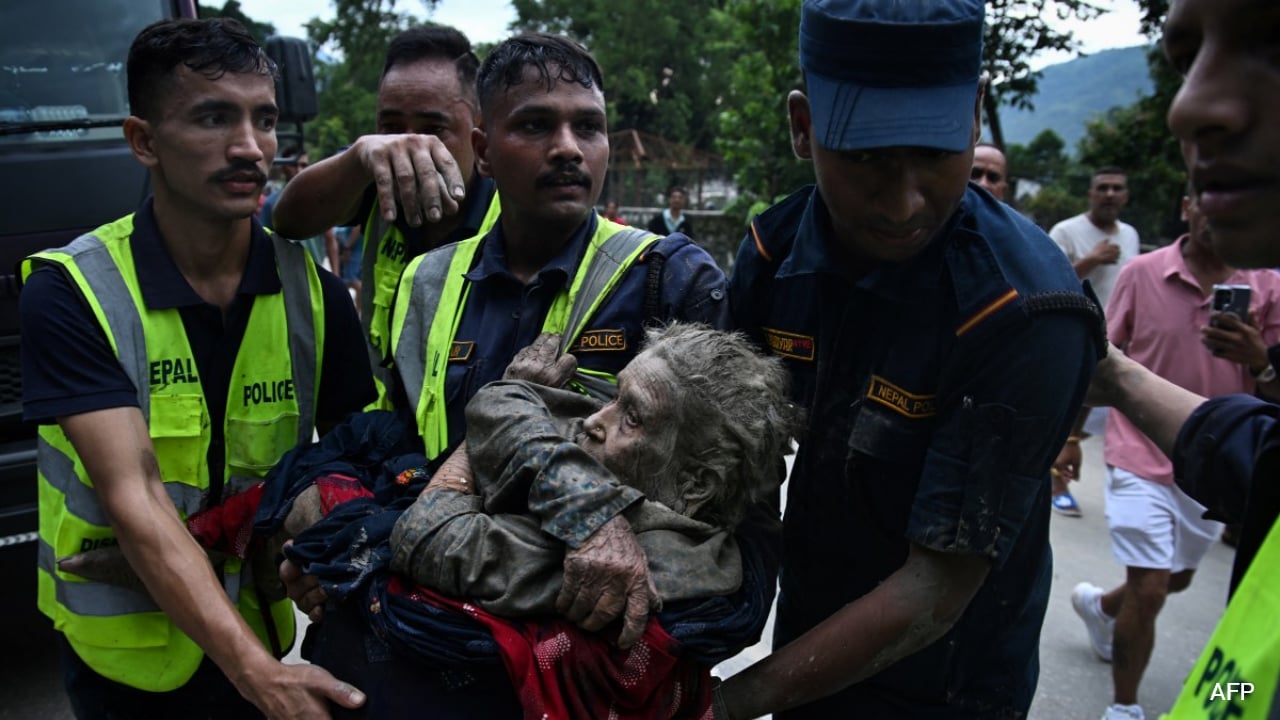
Tensions have boiled over in Spain's Ceuta as anti-migrant demonstrators dismantled and set fire to refugee shelters and obstructed vital Red Cross aid convoys.
- Anti-migrant demonstrations in Ceuta have turned violent.
- Protesters burned migrant shelters and blocked Red Cross food and water supplies.
- Law enforcement has been deployed to manage the escalating unrest.
- The primary demand of the protesters is the immediate deportation of recent migrants.
The situation in the Spanish enclave of Ceuta has reached a breaking point. Anti-migrant protesters have escalated their demonstrations into acts of direct violence, dismantling and setting fire to temporary shelters used by migrants. In a move that has drawn international concern, the demonstrators also blocked a Red Cross convoy, preventing the delivery of essential supplies including food and water to those in need.
As the unrest intensified, local law enforcement agencies were deployed to maintain order and prevent further property damage. The protesters, driven by growing frustration over migration levels, are demanding the immediate deportation of all recent arrivals. The presence of heavy police cordons suggests a high risk of further clashes between authorities and the agitated crowds.
Why This Matters
BozokMedia analysis shows that the events in Ceuta are a microcosm of the broader geopolitical struggle facing the European Union. The intersection of migration surges, local resentment, and the disruption of humanitarian corridors creates a volatile environment that tests both national security and international humanitarian law. When aid convoys are targeted, the crisis shifts from a political debate to a humanitarian emergency.
The obstruction of humanitarian aid is a direct affront to international norms and risks turning a border management issue into a full-scale human rights crisis.
Ceuta, a Spanish autonomous city located on the north coast of Africa, has long served as a critical frontier. Its unique geography makes it a primary gateway for migration routes crossing from Africa into Europe. This strategic position has historically placed the city at the center of intense debates regarding border security, sovereignty, and the management of human displacement.
Historical Background
The history of Ceuta is marked by its strategic importance in the Mediterranean. For centuries, it has been a point of contention and exchange between various powers. In recent years, the influx of migrants seeking entry into the European Union has placed unprecedented strain on the city's infrastructure and social fabric, leading to the heightened tensions witnessed today.
Frequently Asked Questions
Q1: What are the protesters demanding?
A: Protesters are demanding the immediate deportation of recent migrants entering the territory.
Q2: How has the Red Cross been affected?
A: The Red Cross convoy carrying food and water was blocked by demonstrators, halting the distribution of aid.