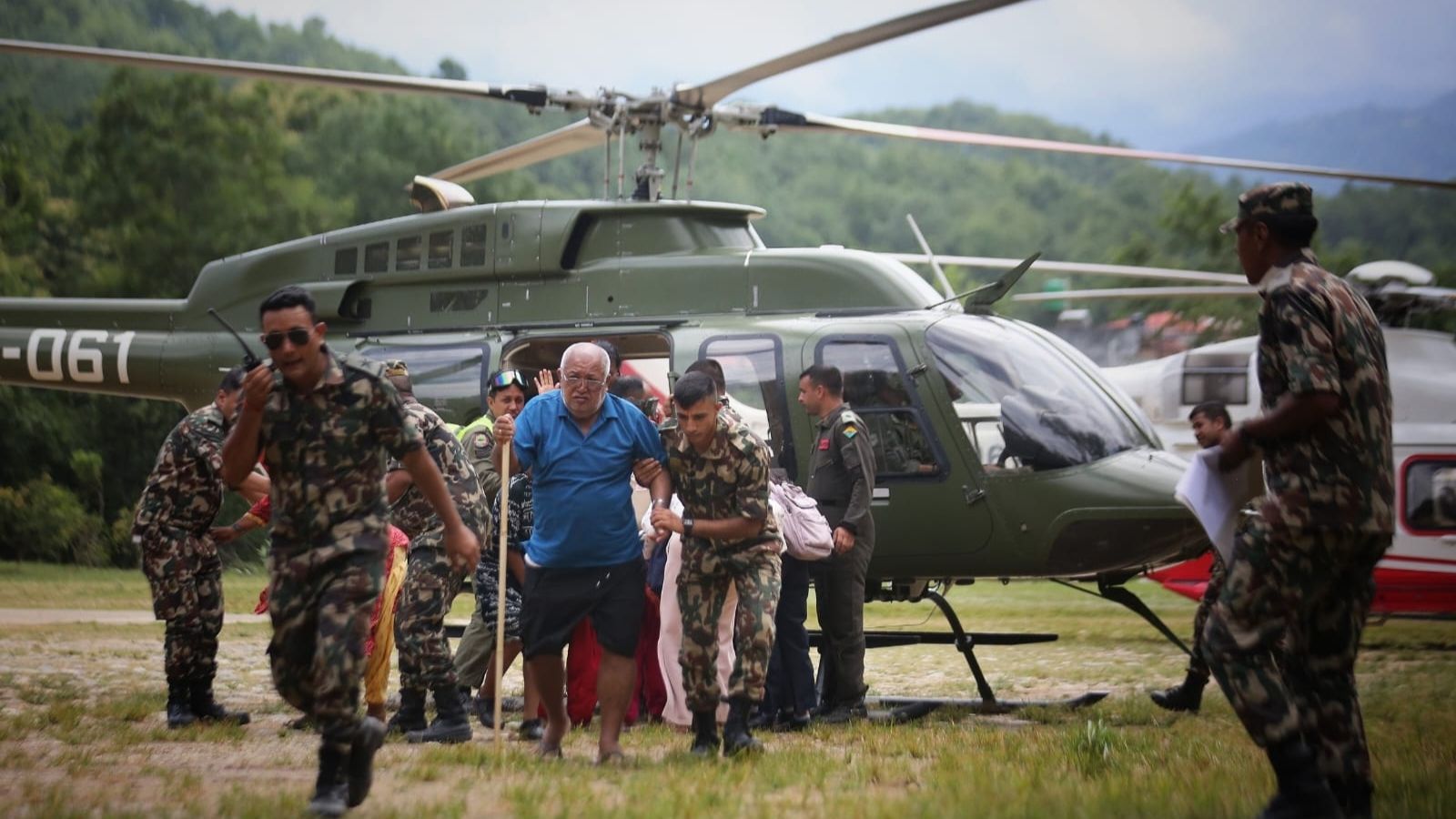
Devastating floods have struck Nepal and Tibet, causing widespread destruction. This report outlines the critical needs on the ground and how you can contribute to relief efforts.
- Severe flooding and landslides in the Himalayan regions of Nepal and Tibet have caused massive destruction.
- Local authorities and international agencies are actively engaged in search and rescue operations.
- Immediate requirements include clean water, food, and emergency medical supplies.
The Himalayan regions of Nepal and Tibet are currently grappling with a humanitarian crisis following catastrophic flooding. Torrential rains have triggered massive landslides, sweeping away homes, infrastructure, and disconnecting remote mountain villages from major supply routes. The scale of destruction has left thousands of people displaced and in urgent need of assistance.
As the water recedes, the focus is shifting toward the prevention of waterborne diseases and the restoration of basic services. The lack of access to clean drinking water and electricity has exacerbated the suffering of those in temporary shelters. Rescue teams are working tirelessly, but the difficult terrain and damaged roads continue to hamper the delivery of essential supplies.
Why This Matters
BozokMedia analysis shows that the increasing frequency of such extreme weather events in the Himalayan belt is a direct consequence of shifting climate patterns. The vulnerability of these high-altitude regions means that localized disasters can quickly escalate into regional humanitarian emergencies, affecting stability and logistics across South Asia.
The convergence of fragile topography and intensifying monsoon patterns makes the Himalayan region a global hotspot for climate-induced disasters.
Historical Background: While the Himalayas have always been prone to natural calamities, the intensity and unpredictability of floods have increased significantly over the last decade. Rapid urbanization and deforestation in ecologically sensitive zones have stripped the mountains of their natural defenses against heavy rainfall.
To support the victims, it is crucial to direct aid through reputable international organizations such as the Red Cross or established local NGOs. Financial contributions are often more effective than sending physical goods, as they allow relief agencies to purchase supplies locally, supporting the regional economy while ensuring rapid deployment.
Frequently Asked Questions
Question 1: How can I safely donate to the flood victims?
Answer: Always use verified platforms and official websites of recognized humanitarian organizations to ensure your funds reach the intended recipients.
Question 2: What are the biggest challenges for rescue teams right now?
Answer: The primary challenges are blocked transportation routes due to landslides and the unpredictable weather conditions in high-altitude areas.