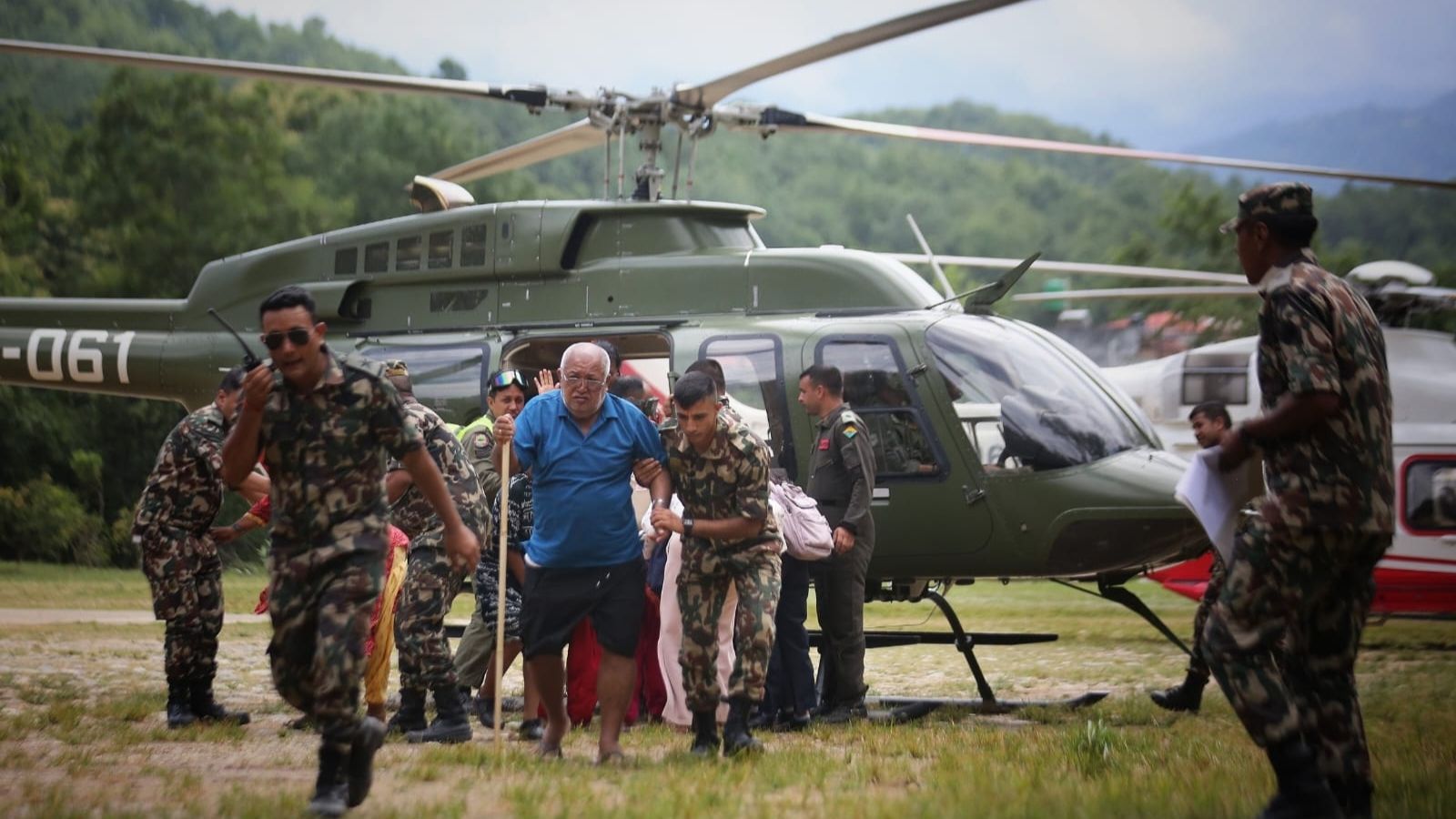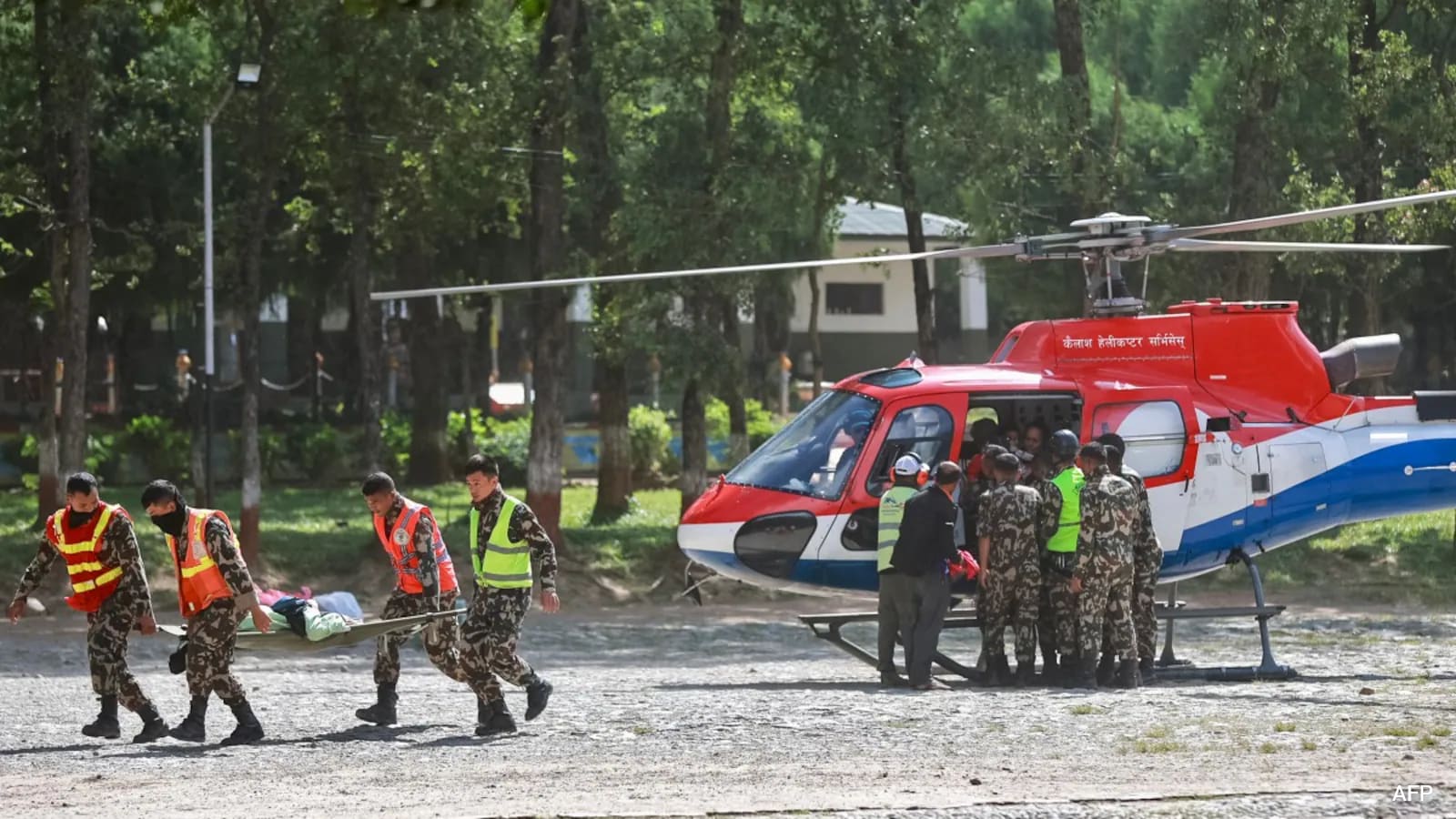
Following catastrophic floods in Nepal that have claimed over 550 lives, India has offered comprehensive humanitarian aid, including medical teams and engineering support, despite Kathmandu's initial refusal of foreign rescue teams.
- Flash floods on the Nepal-Tibet border have resulted in at least 552 deaths.
- India is preparing medical support, engineering teams, and Bailey bridges for Nepal.
- Nepal declined foreign rescue teams, citing the capability of domestic security agencies.
- India has specifically offered NDRF deployment for search-and-rescue operations.
The devastating flash floods striking the Nepal-Tibet border have triggered a massive humanitarian crisis, leaving at least 552 people dead and more than 1,400 individuals missing. The disaster has decimated entire settlements, destroyed critical roads and bridges, and caused significant damage to major hydropower infrastructure.
In response to the tragedy, the Indian Ministry of External Affairs (MEA) announced on Friday that, acting upon Nepal's 'request,' India is mobilizing additional humanitarian assistance. This package includes medical support, engineering expertise, and specialized equipment to aid in the restoration of damaged infrastructure.
Why This Matters
BozokMedia analysis shows that this situation highlights the delicate balance between regional solidarity and national sovereignty. While India is proactively applying its 'Neighborhood First' policy through rapid relief deployment, Nepal's decision to rely on its own agencies reflects a strategic emphasis on domestic capability in times of crisis.
The intersection of humanitarian necessity and diplomatic nuance defines the current response to the Nepal flood catastrophe.
The MEA spokesperson confirmed that two aircraft carrying relief materials have already been dispatched, with a third expected shortly. Furthermore, India is preparing to send a specialized tunnel rescue team, preceded by a reconnaissance mission to assess the specific equipment requirements on the ground.
Despite the offers from India, China, the US, and others, Nepal's Foreign Ministry spokesperson, Lok Bahadur Chhetri, stated that the country's security agencies are effectively leading the response. "For now, we don't require such help," Chhetri remarked, though he clarified that Nepal is not rejecting international aid entirely but will request specialized expertise if needed.
India has also made a specific, standing offer to deploy National Disaster Response Force (NDRF) teams. Along with personnel, India is offering Bailey bridges and technical teams to restore connectivity in isolated, flood-hit regions. India is currently awaiting a formal response from the Nepalese government regarding the NDRF deployment.
| Assistance Type | Offered by India | Status in Nepal |
|---|---|---|
| Search & Rescue Teams | NDRF Teams | Declined (Domestic agencies leading) |
| Infrastructure Support | Engineering & Bailey Bridges | Prepared/Awaiting request |
| Medical Aid | Medical Teams | In preparation |
| Relief Supplies | Airlifted goods | Ongoing (2 aircraft sent) |
Frequently Asked Questions
1. How many people are missing in the Nepal floods?
More than 1,400 people are reported missing, including several foreign nationals.
2. Why did Nepal decline the international rescue teams?
Nepal stated its own security agencies are currently capable and effectively managing the search and rescue operations.