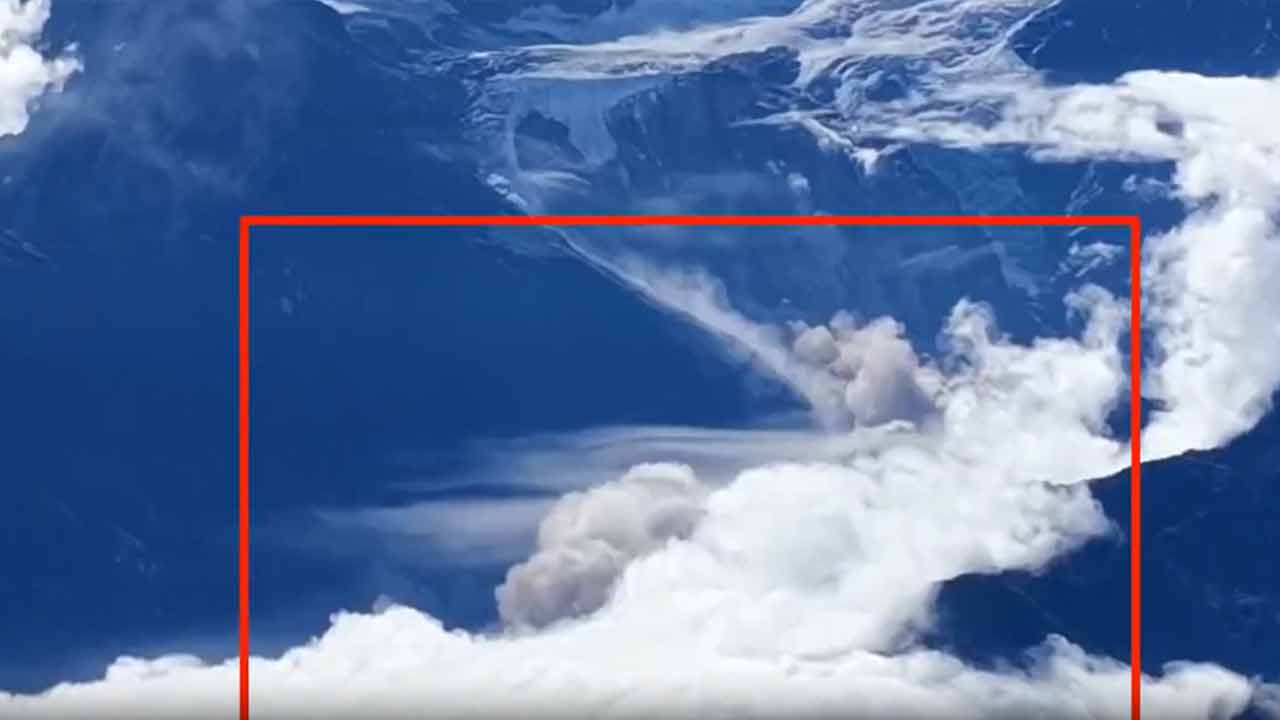
Devastating floods in Nepal and Tibet have raised concerns regarding the safety and accessibility of the Mount Kailash pilgrimage site. Here is everything travelers need to know.
- Severe flooding and landslides in Nepal and Tibet have disrupted regional infrastructure.
- Access routes to the sacred Mount Kailash site may face significant delays or closures.
- Travelers are advised to monitor weather updates and official government advisories closely.
The recent surge of torrential rains and subsequent flooding across Nepal and Tibet has sent shockwaves through the Himalayan region. This environmental crisis poses a direct threat to the logistical operations surrounding the Mount Kailash pilgrimage, one of the most spiritually significant journeys in the world. The sudden onset of flash floods has caused extensive damage to roads and local infrastructure.
For pilgrims planning to undertake the Kailash Mansarovar Yatra, the current situation demands extreme caution. The unpredictable weather patterns in the Tibetan Autonomous Region, combined with landslide-prone terrains in Nepal, have compromised several key transportation arteries. These routes are essential for moving pilgrims across borders and accessing high-altitude base camps.
Why This Matters
BozokMedia analysis shows that the increasing frequency of extreme weather events in the Himalayas is a direct consequence of shifting climatic patterns. This makes high-altitude religious pilgrimages increasingly volatile and risky, requiring more robust disaster management protocols than ever before.
The intensification of monsoon patterns in the high Himalayas is creating a new reality where 'safe travel windows' are shrinking rapidly.
Historical Background: Mount Kailash has been a cornerstone of faith for Hindus, Buddhists, Jains, and followers of the Bon religion for millennia. While modern infrastructure once made the journey more predictable, the increasing ecological instability of the region is forcing a re-evaluation of how these sacred sites are accessed.
Authorities are currently assessing the damage to mountain passes and bridges. It is imperative for international travelers to coordinate with their tour operators and local embassies to ensure they are not caught in transit during secondary landslide events.
Frequently Asked Questions
1. Is the Mount Kailash pilgrimage suspended?
There is no official blanket suspension, but travel is highly dependent on real-time weather conditions and road safety.
2. How safe are the roads in Tibet and Nepal right now?
Due to recent flooding, many roads are experiencing instability. It is highly recommended to check daily local updates.