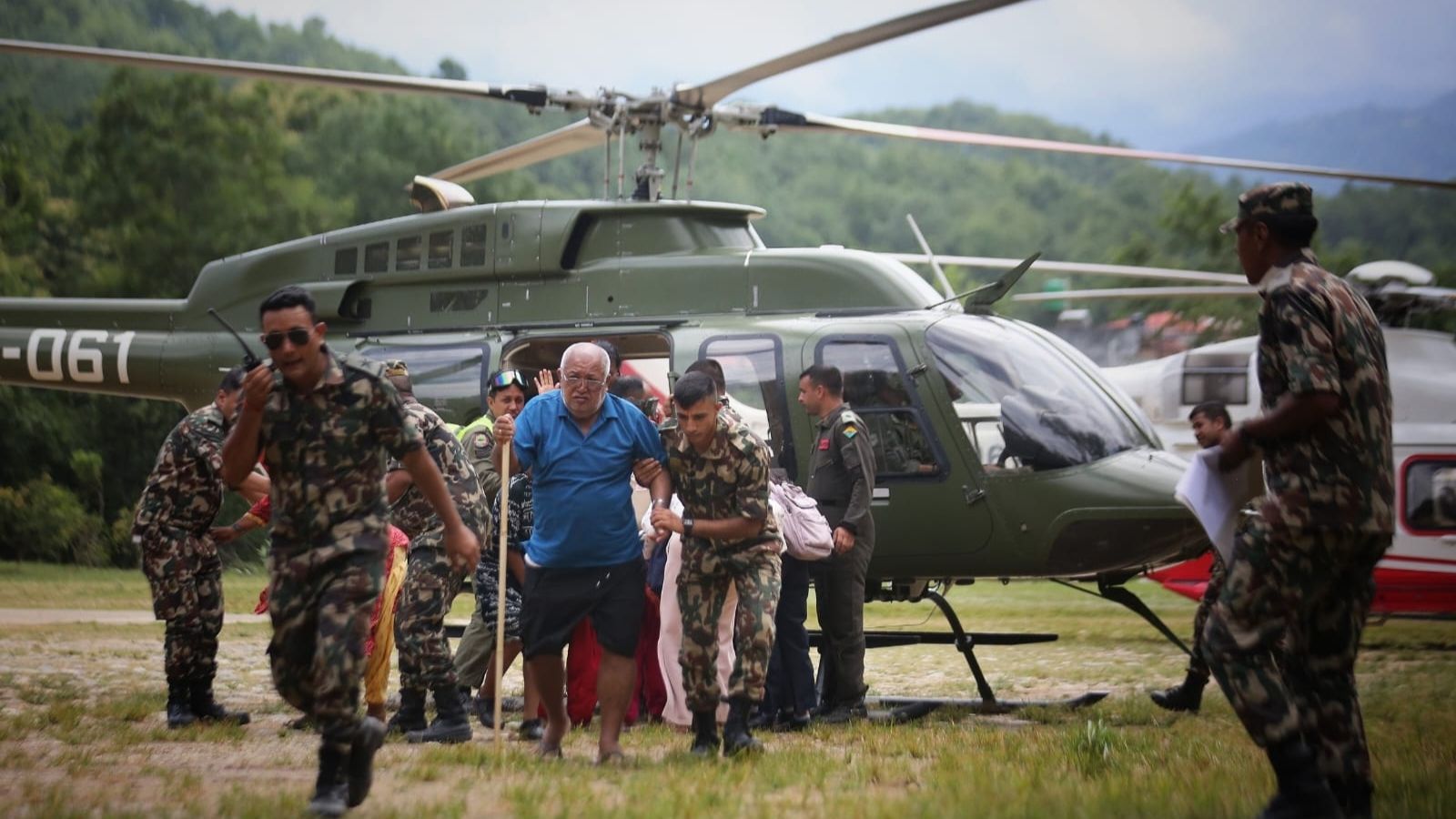
Rescue operations have been suspended near the Nepal-China border following the overflow of a barrier lake. Information gaps regarding damage in Tibet continue to hamper relief efforts.
- Rescue operations suspended due to overflowing border barrier lake.
- Information control in Tibet complicates damage assessment.
- Flash floods in Nepal have led to widespread missing persons reports.
Rescue operations along the border of Nepal and China have been officially halted as a massive barrier lake has begun to overflow, posing an imminent threat to life and infrastructure. The sudden surge in water levels has created high-risk conditions, forcing emergency responders to step back to ensure their own safety.
A significant complication in managing this disaster is the lack of transparent data. Reports suggest that strict information control in China is hindering an accurate assessment of the flood damage within the Tibet region. Without clear data, international relief agencies and neighboring countries struggle to prepare for the potential downstream impact.
Why This Matters
BozokMedia analysis shows that the lack of real-time hydrological data sharing between Himalayan nations exacerbates the impact of flash floods. As climate change accelerates glacial melt, the stability of border reservoirs becomes a critical geopolitical and humanitarian concern for South Asia.
The inability to assess damage in real-time due to information barriers can turn a localized natural disaster into a regional humanitarian catastrophe.
The impact of the floods is not contained within borders. In India, the situation is equally dire, with reports of men missing in Assam following the heavy rainfall and flash floods originating from the mountainous regions of Nepal. The interconnected nature of the Himalayan river systems means that a crisis in one country inevitably affects its neighbors.
On a diplomatic note, Indian External Affairs Minister S. Jaishankar has been actively involved in the recovery efforts, recently receiving 21 pilgrims from Tamil Nadu who were successfully rescued from Nepal. This highlights the complex cross-border rescue logistics required during such calamities.
Historical Background
The Himalayan belt is one of the most disaster-prone regions in the world. Historically, the region has faced devastating floods and landslides triggered by monsoon patterns and glacial outbursts. The increasing frequency of these events is being linked by scientists to global warming and the rapid melting of high-altitude ice reserves.
Frequently Asked Questions
Question 1: Why are the rescue efforts suspended?
Answer: Operations were stopped due to the extreme danger posed by the overflowing barrier lake and unpredictable water surges.
Question 2: Is India affected by the Nepal floods?
Answer: Yes, the floods have caused significant distress in India, particularly in Assam, with several individuals reported missing.