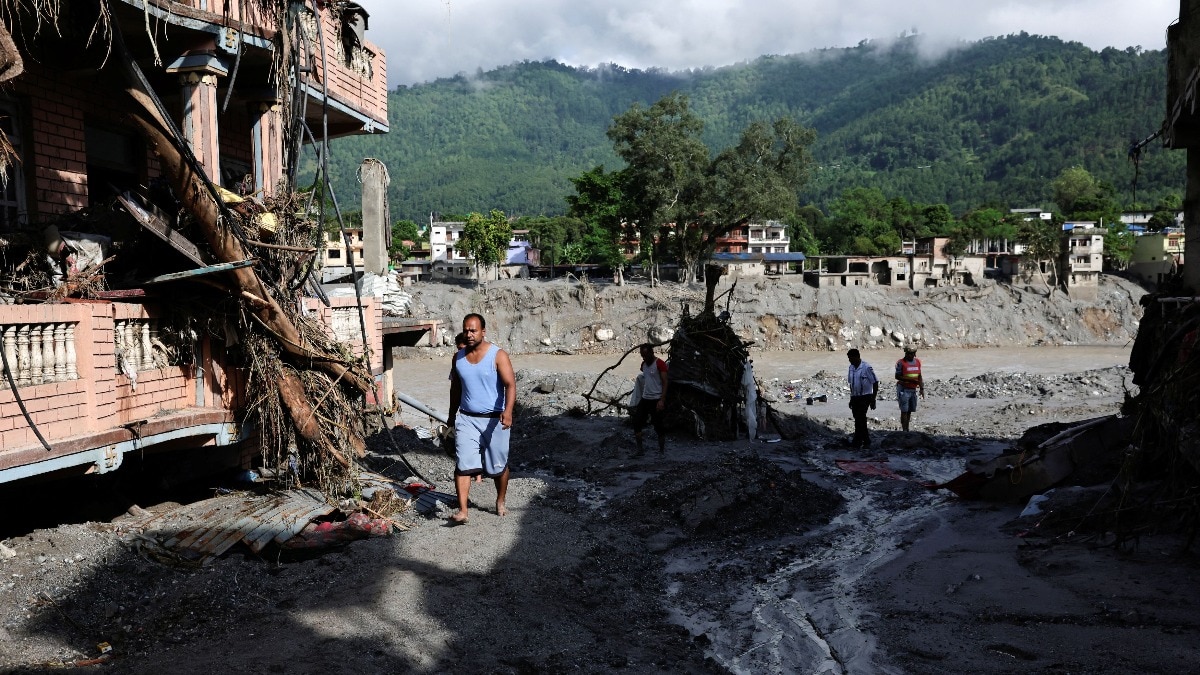
In response to the devastating flash floods in Nepal, the Sikkim government has formed a dedicated task force to track and assist missing or stranded state residents. The team will coordinate with the Indian Embassy and central authorities.
- Sikkim forms a task force led by SDMA Director Prabhakar Rai.
- The mission focuses on tracing missing, injured, or stranded Sikkim residents in Nepal.
- Nepal death toll has surged to 469 following a glacial collapse.
The Sikkim government has officially constituted a specialized task force aimed at providing relief and critical assistance to residents of the state who are believed to be missing or stranded amidst the catastrophic flash floods in Nepal. This strategic move is designed to streamline coordination with central authorities and the Indian Embassy to ensure families receive verified information during this period of crisis.
Headed by Prabhakar Rai, the Director of the Sikkim State Disaster Management Authority (SDMA), the task force will act as a central hub for information. According to an official notification, the team is tasked with collecting, compiling, and verifying data regarding individuals reported missing, injured, or deceased due to the disaster.
Why This Matters
BozokMedia analysis shows that in trans-border natural disasters, the primary challenge is often the 'information vacuum' that leaves families in distress. By establishing a direct link between the state, the Indian Embassy, and Nepal's local authorities, Sikkim is setting a proactive precedent for disaster-driven migration management.
Rapid communication and cross-border institutional synergy are the most critical factors in minimizing loss of life during sudden-onset disasters.
The humanitarian situation in Nepal remains dire. As of Friday, the death toll from the flash floods in the central region has risen to 469. Rescue operations, which have been ongoing for three days, have successfully evacuated 1,545 people. Currently, 84 injured individuals are receiving medical attention in hospitals across Kathmandu. A massive deployment of 7,451 security personnel, including 2,391 from the Nepal Army, is currently on the ground.
Historical Background
The disaster was triggered by an ice-rock avalanche resulting from a glacial collapse near the Nepal-Tibet border. This event sent a massive torrent of mud, water, and debris downstream, devastating infrastructure, including hydropower projects, roads, and bridges, effectively paralyzing parts of central Nepal.
Frequently Asked Questions
1. Who is leading the Sikkim Task Force?
The task force is led by Prabhakar Rai, the Director of the Sikkim State Disaster Management Authority.
2. How will the task force help families?
It will establish direct communication with families to provide verified updates on the status and whereabouts of their loved ones.
| Category | Reported Figures |
|---|---|
| Total Deceased (Nepal) | 469 |
| Total Rescued | 1,545 |
| Security Personnel Deployed | 7,451 |

