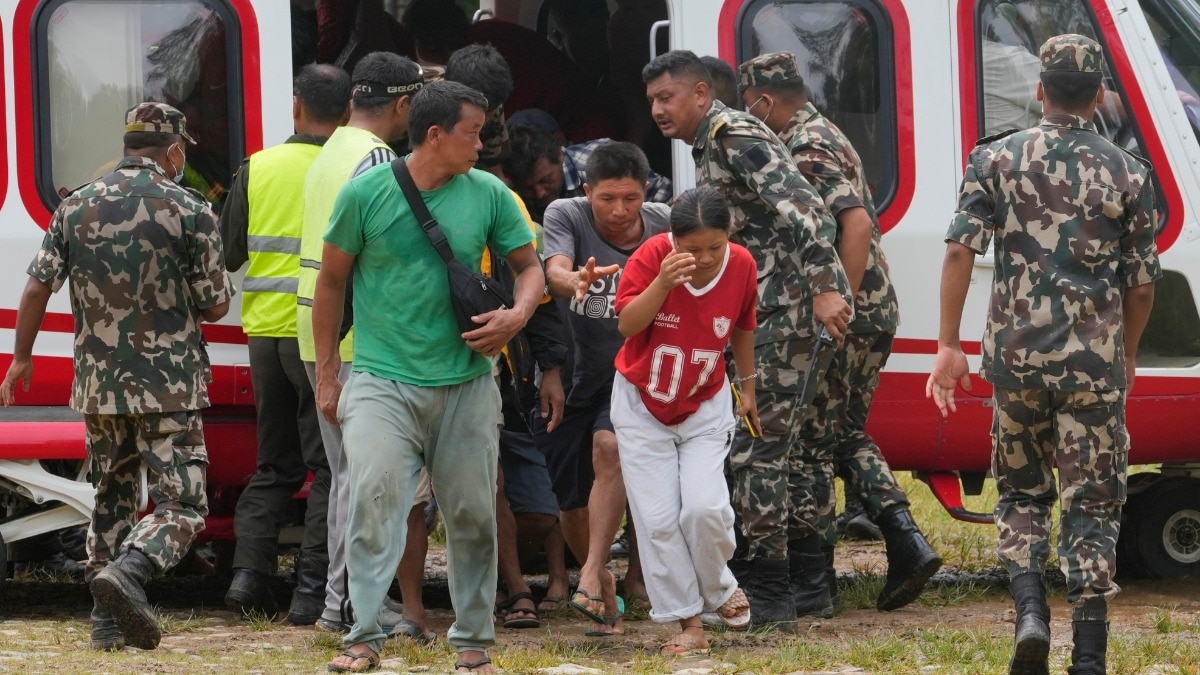
Rising water levels in the Bhote Kosi and Trishuli rivers have triggered devastating floods across Nepal, destroying vital infrastructure and leaving thousands unaccounted for.
- Sudden rise in Bhote Kosi and Trishuli rivers has caused widespread flooding in Nepal.
- Highways, hydro projects, and water supplies have been completely destroyed.
- Search and rescue operations are struggling due to heavy mud and debris in towns like Dunge Market.
Nepal is grappling with a massive humanitarian and infrastructural crisis as catastrophic flooding sweeps through various regions. The disaster was triggered by a sudden and dramatic rise in the water levels of the Bhote Kosi and Trishuli rivers, which originate from the Tibetan plateau. The impact has been nothing short of apocalyptic for several local communities.
The destruction of critical infrastructure is near-total in several zones. Major highways connecting the Rasuwa district have been severed, cutting off vital supply lines. Furthermore, local water supply systems and significant hydroelectric projects—the backbone of the regional economy—have been either washed away or buried under immense amounts of debris. In Dunge Market, the scene is one of total devastation, with buildings reduced to rubble.
Why This Matters
BozokMedia analysis shows that the scale of destruction to connectivity and energy infrastructure in Nepal could lead to a prolonged economic recession in the affected districts. The loss of hydroelectric capacity and transport routes hampers not only local recovery but also national stability.
The intensity of these flash floods highlights the increasing vulnerability of Himalayan river basins to extreme weather shifts.
Thousands of residents remain unaccounted for as rescue teams battle thick mud and massive debris to reach isolated areas. In response to the mounting death toll and displacement, volunteer organizations and emergency services have established relief camps in areas such as Bidur. These camps are currently the primary source of food, clean water, and emergency medical supplies for survivors.
Historical Background
Nepal's topography makes it highly susceptible to flash floods, particularly during the monsoon season or when heavy snowmelt occurs in the mountains. Over the years, the increasing frequency of such extreme hydrological events has raised global concerns regarding the impact of climate change on the Himalayan ecosystem.
Frequently Asked Questions
Question 1: Which areas are most affected by the current flooding?
Answer: The Rasuwa district and towns like Dunge Market have reported the most severe structural damage.
Question 2: Where can displaced persons find assistance?
Answer: Relief camps have been set up in Bidur to provide essential supplies to survivors.