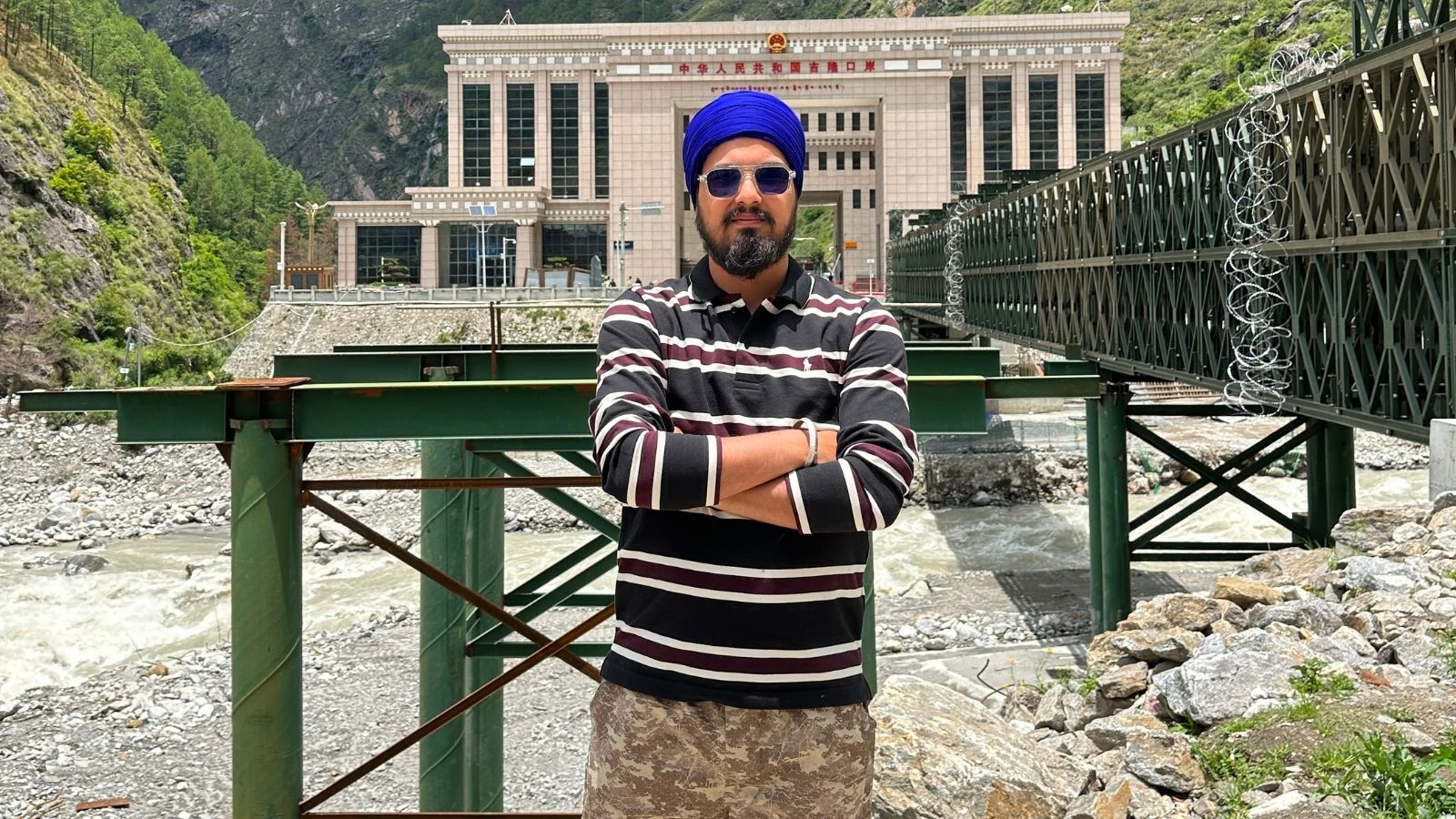
Following recent devastating floods, China has alerted Nepal regarding a new, high-risk glacial lake formation. With an estimated 5 million cubic meters of water, the risk of a catastrophic breach threatens downstream residential areas.
- China has warned Nepal of a new dangerous glacial lake formation.
- The lake contains an estimated 5 million cubic meters of water.
- Previous satellite failures in detecting early warnings led to significant devastation in Rasuwa.
A critical ecological report from the Nepal-China border has highlighted an escalating threat to the Himalayan region. Following a recent glacial lake outburst flood (GLOF) that caused widespread destruction, Chinese authorities have issued a fresh warning regarding a new, highly volatile glacier lake formation located at a river confluence.
The situation is compounded by a recent failure in early warning systems. Despite possessing high-potential satellites capable of monitoring the ecologically fragile Rasuwa district, Chinese technology failed to detect the initial glacial outburst or the preceding rock avalanche. This intelligence gap left Nepalese authorities without the necessary lead time to protect downstream communities, resulting in massive loss of life and property.
Why This Matters
BozokMedia analysis shows that this incident underscores the dangerous intersection of climate change and geopolitical technological gaps. The inability of regional powers to provide real-time, accurate satellite data during rapid-onset disasters significantly increases the vulnerability of mountain populations.
The newly identified lake is expected to hold up to 5 million cubic meters of water. Experts warn that if the natural barrier holding this water breaches, the resulting torrent would decimate Nepal's river terrains and submerge densely populated residential zones. The scale of potential destruction is unprecedented for the local geography.
The increasing frequency of glacial lake outbursts is a direct consequence of rapid cryospheric melting driven by global warming.
In response to the escalating threat, Nepalese authorities have mobilized emergency services, initiated evacuations along river embankments, and launched intensive rescue operations. Meanwhile, the human cost continues to rise as families desperately search for loved ones missing from the previous flood waves.
Historical Background
Glacial Lake Outburst Floods (GLOFs) have become a recurring nightmare for Himalayan nations. As global temperatures rise, glaciers retreat, leaving behind large lakes dammed by unstable moraines (debris). These natural dams are prone to sudden failure due to avalanches, earthquakes, or intense rainfall.
Frequently Asked Questions
Question 1: Why did the previous flood cause so much damage?
Answer: The lack of early warning due to satellite detection failures prevented timely evacuations in the Rasuwa district.
Question 2: What is the current status of the evacuation?
Answer: Nepalese authorities are actively evacuating people near embankments and conducting search and rescue missions.