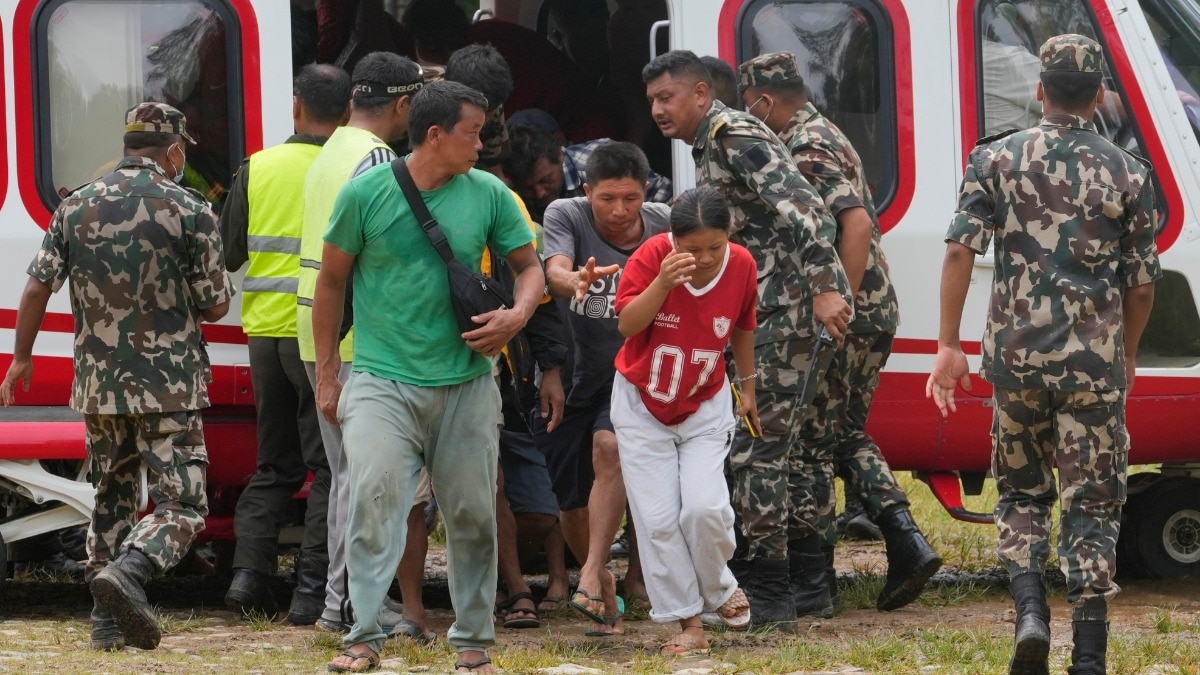
Emergency teams in southwest China are working frantically to clear debris-blocked roads in the Gyirong border port following a massive mudslide in the Tibet Autonomous Region.
- A massive mudslide has struck the Gyirong border port in Tibet's Autonomous Region.
- Rescuers are prioritizing road clearance to access the core disaster zone.
- The incident occurs near the sensitive border between China and Nepal.
In a race against time, emergency response teams in southwest China are battling extreme conditions to reach survivors of a devastating mudslide. The disaster has struck the Gyirong border port, a critical transit point located within the Tibet Autonomous Region, near the international boundary with Nepal.
The scale of the landslide has rendered primary access routes impassable, buried under thick layers of mud and debris. Rescuers are currently focused on heavy machinery operations to clear these arteries, as the inability to penetrate the core disaster zone is preventing the deployment of additional medical personnel and life-saving equipment.
Why This Matters
BozokMedia analysis shows that the disruption at the Gyirong port has significant implications for regional logistics and border stability. As a key gateway between China and Nepal, any prolonged closure of this corridor impacts trade and the movement of essential goods across the Himalayan frontier.
The geological instability of the Tibetan plateau makes rapid-response rescue operations exceptionally high-risk during such landslides.
Climatologists have repeatedly warned that the intensifying weather patterns in the Himalayan region are leading to more frequent and severe mass wasting events. This incident serves as a stark reminder of the vulnerability of high-altitude infrastructure to sudden environmental shifts.
Historical Background
The Himalayan mountain range is one of the most seismically active and geologically volatile regions in the world. For decades, the border regions between China and Nepal have faced challenges from seasonal monsoons, flash floods, and landslides, which frequently threaten the lives of local populations and the integrity of trans-border trade routes.
Frequently Asked Questions
1. Where exactly did the mudslide occur?
The mudslide occurred near the Gyirong border port in the Tibet Autonomous Region of China, close to the Nepal border.
2. What is the main obstacle for the rescue teams?
The primary obstacle is the blockage of critical roads by mud and debris, which prevents heavy rescue equipment and personnel from reaching the victims.