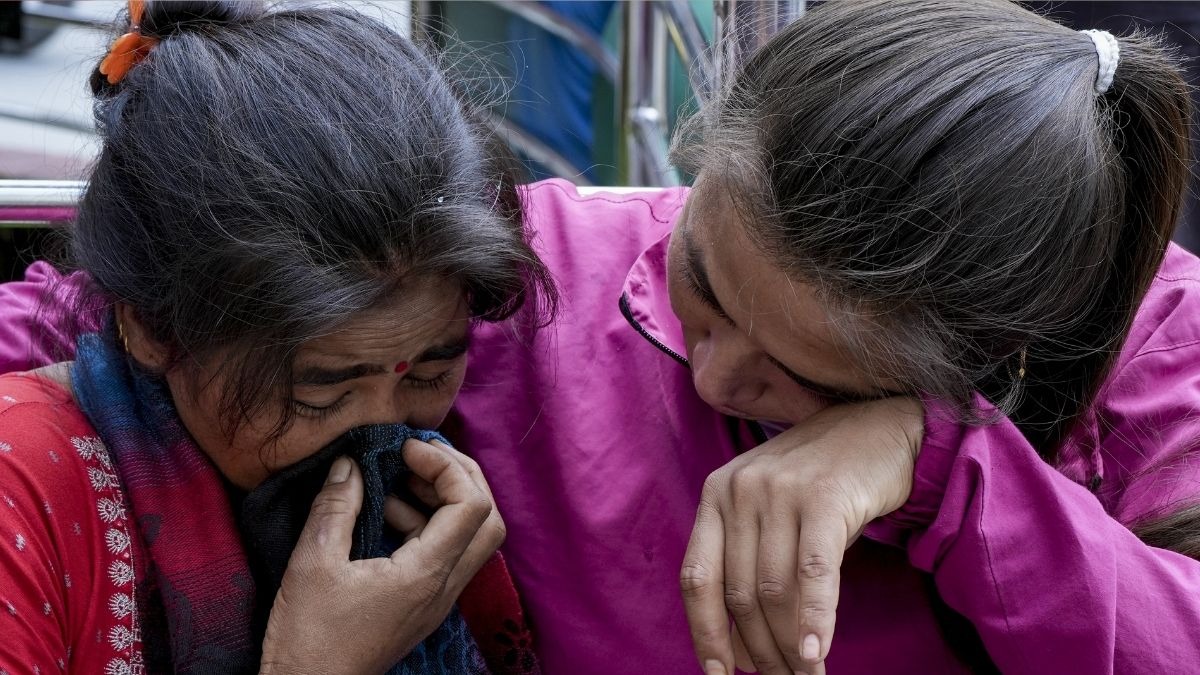
Extreme flooding in Nepal has left a trail of destruction, forcing thousands to fight for survival amidst immense grief and loss.
- Devastating floods and landslides have ravaged multiple regions in Nepal.
- Thousands have been displaced, facing acute shortages of food and medicine.
- The crisis highlights the urgent need for improved climate resilience in the Himalayan region.
Nepal is currently grappling with a catastrophic natural disaster as torrential rains trigger massive floods across the country. The scenes unfolding in the affected regions are nothing short of apocalyptic. As water levels rise, families are finding themselves caught in a desperate struggle between life and death, clutching photographs of lost loved ones while wading through treacherous currents.
A Landscape of Destruction
The impact on Nepal's infrastructure has been profound. Roads have been washed away, bridges have collapsed, and entire villages have been swallowed by the rising waters. For many, the loss is not just material; it is the erasure of homes, histories, and livelihoods that took generations to build. The psychological toll on survivors, who are witnessing the destruction of their world in real-time, is immeasurable.
Why This Matters
BozokMedia analysis shows that the increasing frequency and intensity of these floods in Nepal are direct indicators of the escalating climate crisis. The combination of fragile mountainous terrain and unpredictable monsoon patterns creates a high-risk environment where even minor shifts in weather can lead to large-scale human tragedy.
'The current crisis in Nepal is a stark reminder that climate change is no longer a future threat, but a present-day catastrophe.'
Emergency response teams and local volunteers are working tirelessly to navigate the debris and floodwaters to reach stranded populations. However, the logistical nightmare caused by destroyed transport links is severely hindering the delivery of essential supplies like clean water and medical aid.
Historical Background
Historically, Nepal has always been susceptible to natural calamities due to its unique topography. However, recent decades have seen a significant uptick in the severity of flash floods and landslides, largely attributed to rapid urbanization and the shifting patterns of the Himalayan monsoon.
Frequently Asked Questions
Q1: What is causing the severe flooding in Nepal?
A: The primary causes are intense monsoon rainfall and subsequent landslides in the mountainous terrain.
Q2: How can people help the victims?
A: Donations to recognized international relief organizations and local NGOs are critical for providing food, shelter, and medical supplies.

