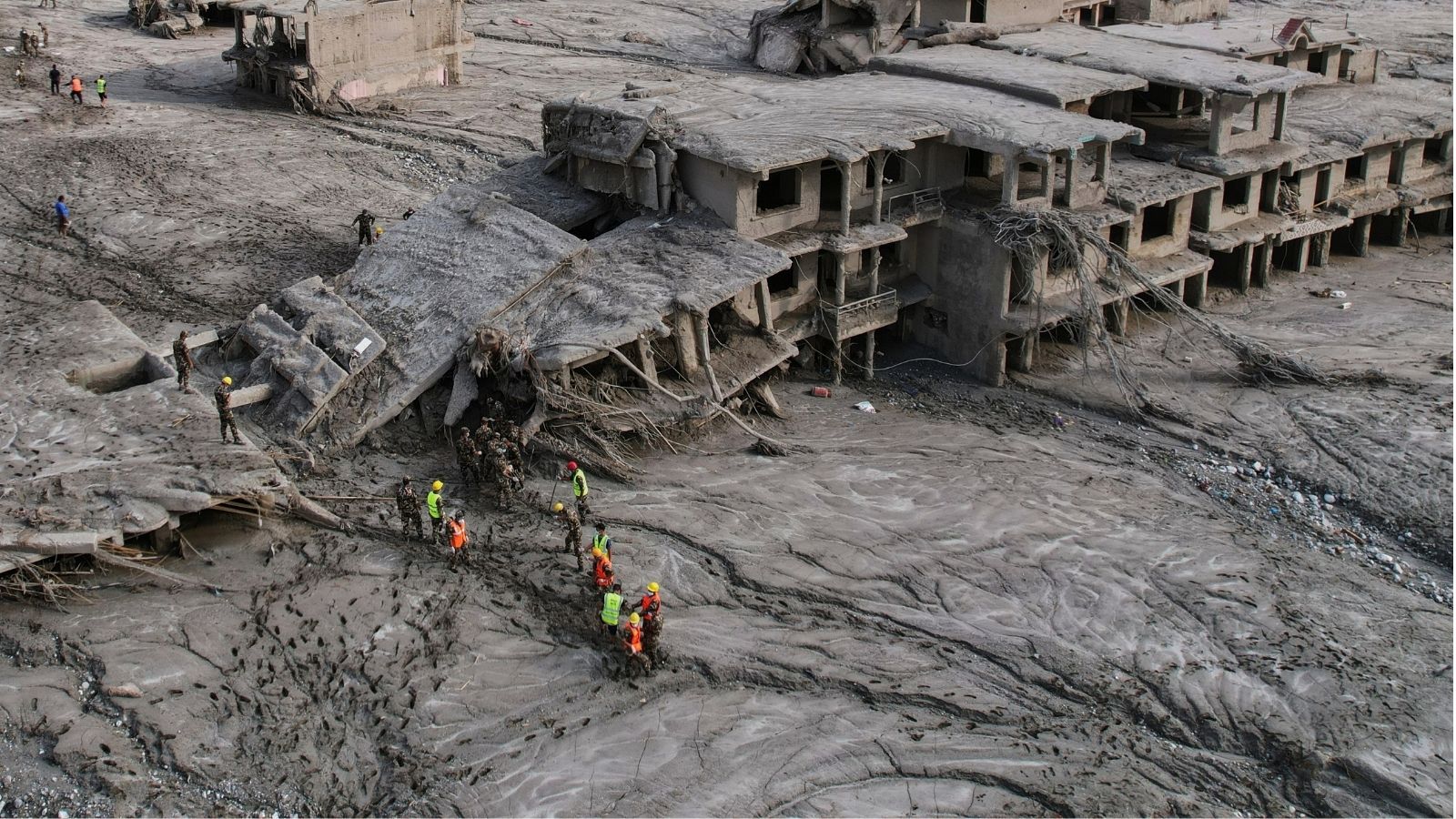
A devastating flash flood in Nepal has claimed at least 682 lives, with nearly 3,000 people still missing. Emergency operations are underway as the Indian Embassy issues helpline numbers for stranded nationals.
- The death toll from the Nepal flash floods has reached a staggering 682.
- Approximately 3,000 individuals remain missing as search operations intensify.
- The Embassy of India in Kathmandu has released emergency contact numbers for Indian citizens.
Nepal is grappling with an unprecedented humanitarian crisis following catastrophic flash floods that have ripped through various regions of the country. As of the latest reports, the official death toll has climbed to 682, while the number of missing persons is estimated to be near 3,000. The scale of destruction is immense, with entire villages being submerged and critical infrastructure washed away.
The sudden nature of these floods has caught many residents off guard, leaving little time for evacuation. Rescue teams, including local authorities and emergency responders, are struggling against treacherous terrain and rising water levels to reach isolated communities. The search for the missing remains the highest priority for the government.
Why This Matters
BozokMedia analysis shows that this disaster underscores the increasing vulnerability of the Himalayan region to extreme weather events. The combination of intense monsoon rainfall and the changing topography due to climate change has created a high-risk environment where flash floods are becoming more frequent and lethal.
The escalating frequency of flash floods in the Himalayas is a clear indicator of the global climate crisis hitting local ecosystems.
Emergency Assistance for Indian Nationals: For Indian citizens and their families seeking assistance or information, the Embassy of India, Kathmandu has established dedicated emergency lines:
+977 985 131 6807
+977 970 910 7500
+977 981 032 6117
Email: [email protected]
Historical Background
While Nepal has always faced seasonal monsoon challenges, the intensity of recent floods has deviated from historical norms. The melting of Himalayan glaciers combined with unpredictable monsoon patterns has transformed traditional flood zones into high-risk flash flood corridors, necessitating a complete overhaul of regional disaster management protocols.
Frequently Asked Questions
1. How many people are currently missing in Nepal?
Current estimates suggest that nearly 3,000 people are still unaccounted for.
2. How can Indian citizens contact help?
Indian nationals can reach the Embassy of India in Kathmandu via the provided emergency phone numbers or the dedicated flood support email.

