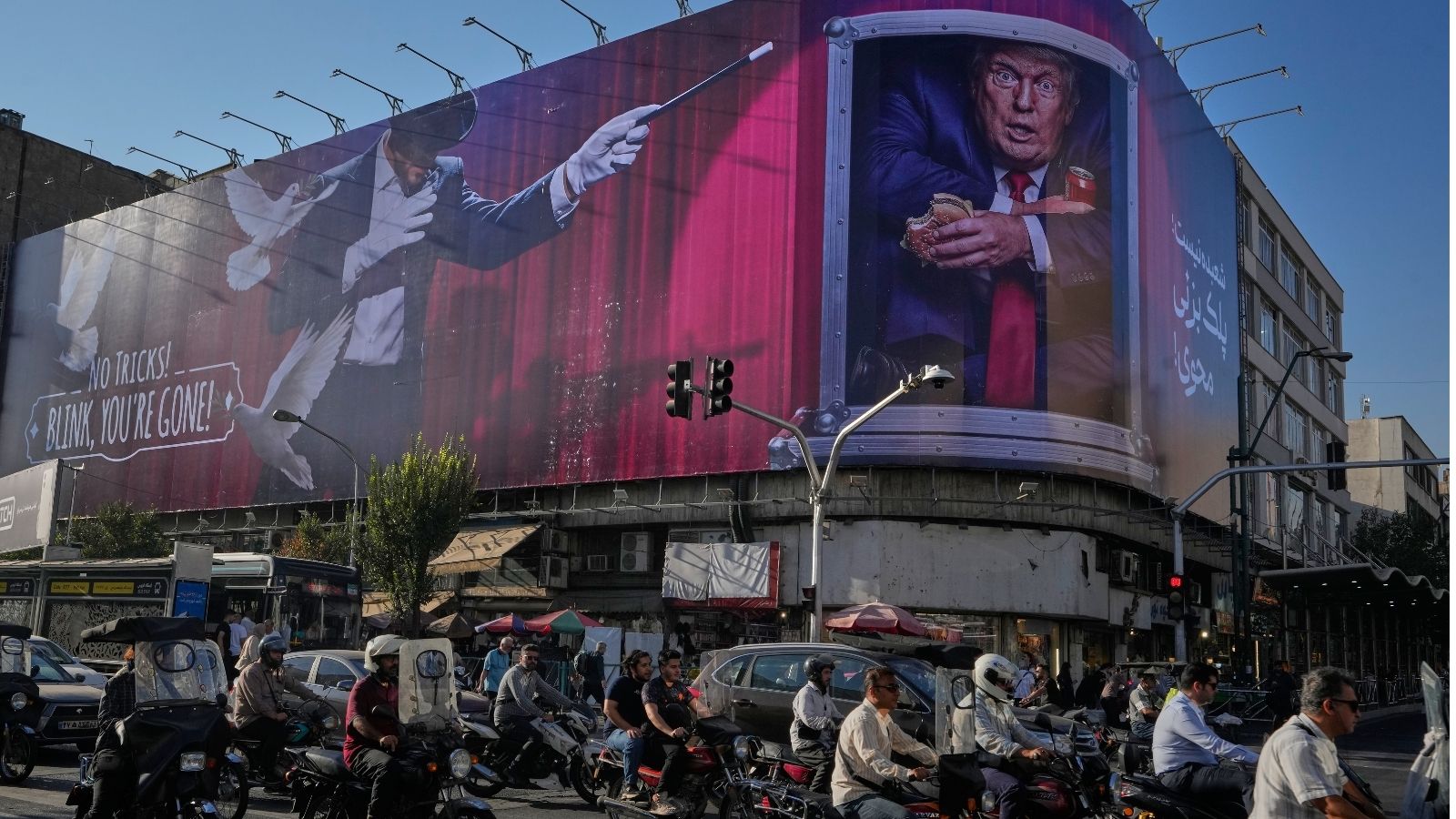
Tehran has vowed to stand firm against what it calls 'unjust' US sanctions. Furthermore, Iranian officials have asserted total oversight over the Strait of Hormuz, stating no vessel can pass without their explicit permission.
- Iran has officially labeled US sanctions as 'unjust'.
- Tehran maintains that the Strait of Hormuz remains under strict oversight.
- Naval movements in the strait require coordination with the Islamic Republic.
In a significant escalation of its diplomatic and strategic stance, Iran has pledged to remain unyielding against the 'unjust' sanctions imposed by the United States. The Iranian leadership has signaled that economic pressures will not deter the nation's sovereign objectives or its regional influence.
Adding a layer of maritime tension to the geopolitical standoff, Iranian Deputy Foreign Minister Kazem Gharibabadi addressed the status of the Strait of Hormuz. Speaking to the Student News Network (SNN), Gharibabadi stated that the strait remains closed and emphasized that Tehran is under no pressure to reopen the critical waterway.
Why This Matters
BozokMedia analysis shows that the Strait of Hormuz is a vital artery for global energy markets. Any assertion of control by Iran over this passage directly impacts global oil prices and maritime security. The ability of Tehran to regulate vessel movement through this choke point serves as a potent tool in its broader geopolitical negotiations with Western powers.
The assertion of 'full oversight' over the Strait of Hormuz is a calculated move to remind the global community of Iran's strategic leverage.
Gharibabadi further clarified that any vessel attempting to navigate through the strait must do so with the explicit coordination and permission of the Islamic Republic. He categorically rejected reports suggesting that vessels have been passing through the route without Tehran's knowledge or consent.
Historical Background
The Strait of Hormuz has long been a flashpoint for international conflict. As a narrow waterway connecting the Persian Gulf to the Gulf of Oman, it facilitates nearly one-fifth of the world's total oil consumption. Historically, Iran has used its proximity to this choke point to exert pressure during periods of heightened tension with the West.
Frequently Asked Questions
1. What is Iran's stance on US sanctions?
Iran views the sanctions as 'unjust' and has pledged to stand firm against them.
2. Does Iran control the Strait of Hormuz?
Iran claims to have 'full oversight' and requires all vessels to coordinate their passage through the strait.

