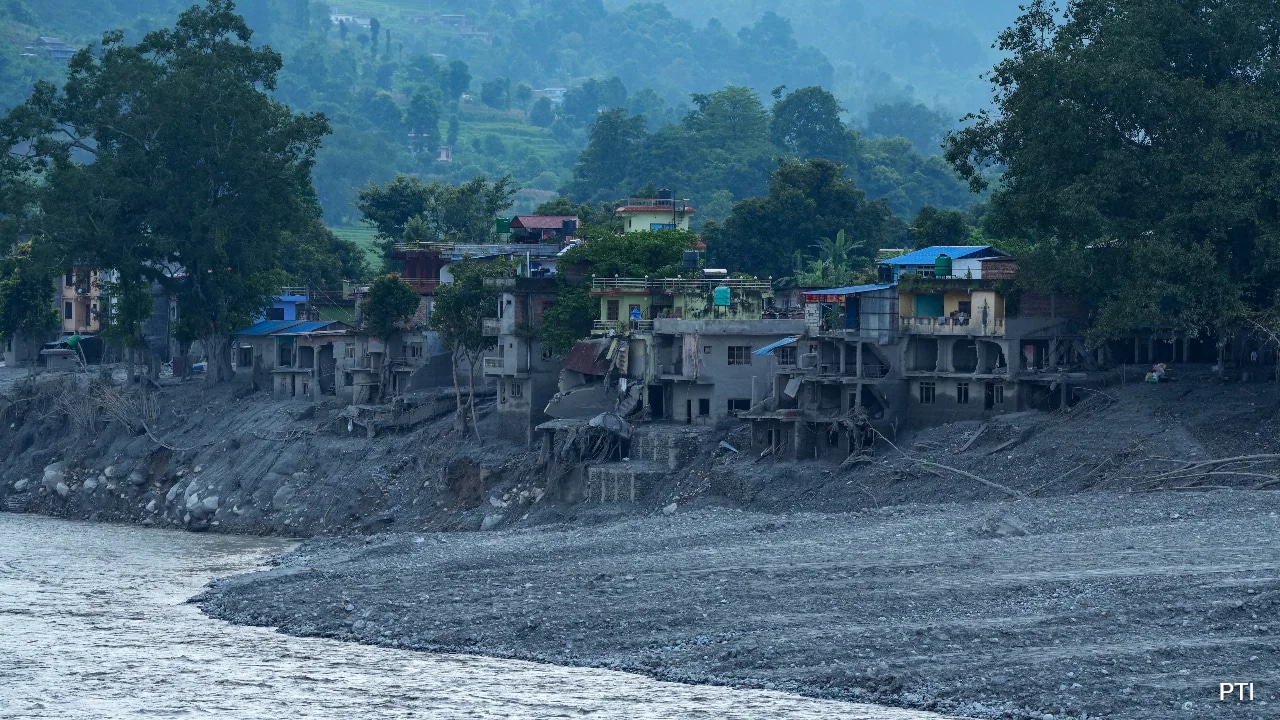
An eight-year-old boy in Nepal has miraculously reunited with his mother after surviving devastating floods by climbing trees. The emotional reunion comes as humanitarian organizations like Save the Children work tirelessly to reunite dozens of displaced children with their families.
- An 8-year-old Nepali boy survived deadly flash floods by scaling trees.
- The child was successfully reunited with his mother after days of agonizing separation.
- Save the Children has successfully reunited 69 children with their families following the disaster.
The devastating floods and landslides in Nepal, triggered by heavy monsoon rains, have left a trail of destruction across the nation. However, amidst the tragedy, an extraordinary story of survival has emerged. An eight-year-old boy managed to escape the raging floodwaters by climbing trees, staying suspended above the deluge for hours until help arrived.
The boy’s mother, who had feared the worst, described her overwhelming relief upon seeing him alive. "I felt my life was back," she wept during their emotional reunion. The harrowing experience of believing her child was lost to the currents has highlighted the immense human cost of these escalating seasonal disasters.
Nepal's rivers have breached their banks, submerging entire villages and displacing thousands. Children remain the most vulnerable demographic during such climate-induced crises, facing not only physical danger but also severe psychological trauma due to separation from their families.
In response to the crisis, international humanitarian organization Save the Children has launched extensive operations on the ground. The charity has established temporary shelters and tracing networks, successfully reuniting 69 displaced children with their families so far, offering a glimmer of hope to the devastated communities.
Why This Matters
BozokMedia analysis shows that climate vulnerability in South Asia is reaching a critical tipping point. Infrastructure deficits coupled with extreme weather events mean that local populations, particularly children, are forced to rely on extreme survival instincts in the absence of timely state intervention. This survival story highlights the urgent need for robust local disaster response mechanisms.
"The resilience of children in disaster zones is extraordinary, but they should never have to face such trauma. Rapid family reunification is critical to preventing long-term psychological scarring."
Nepal's monsoon seasons have grown increasingly erratic and violent over the last decade. Experts attribute this shift to global climate change, which has accelerated glacier melt in the Himalayas and altered traditional precipitation patterns, making flash floods more frequent and severe.
| Metric | 2024 Monsoon Floods | Historical Average |
|---|---|---|
| Children Displaced | Thousands | Hundreds |
| Reunification Rate (Save the Children) | 69+ children reunited | Varying |
| Primary Survival Mechanism | Community support & adaptive survival | Structured evacuation |
Frequently Asked Questions
Q1: How did the 8-year-old boy survive the Nepal floods?
A1: He climbed trees to escape the rising, fast-flowing floodwaters until it was safe.
Q2: How many children have been reunited by Save the Children so far?
A2: Save the Children has successfully reunited 69 children with their families following the recent floods.