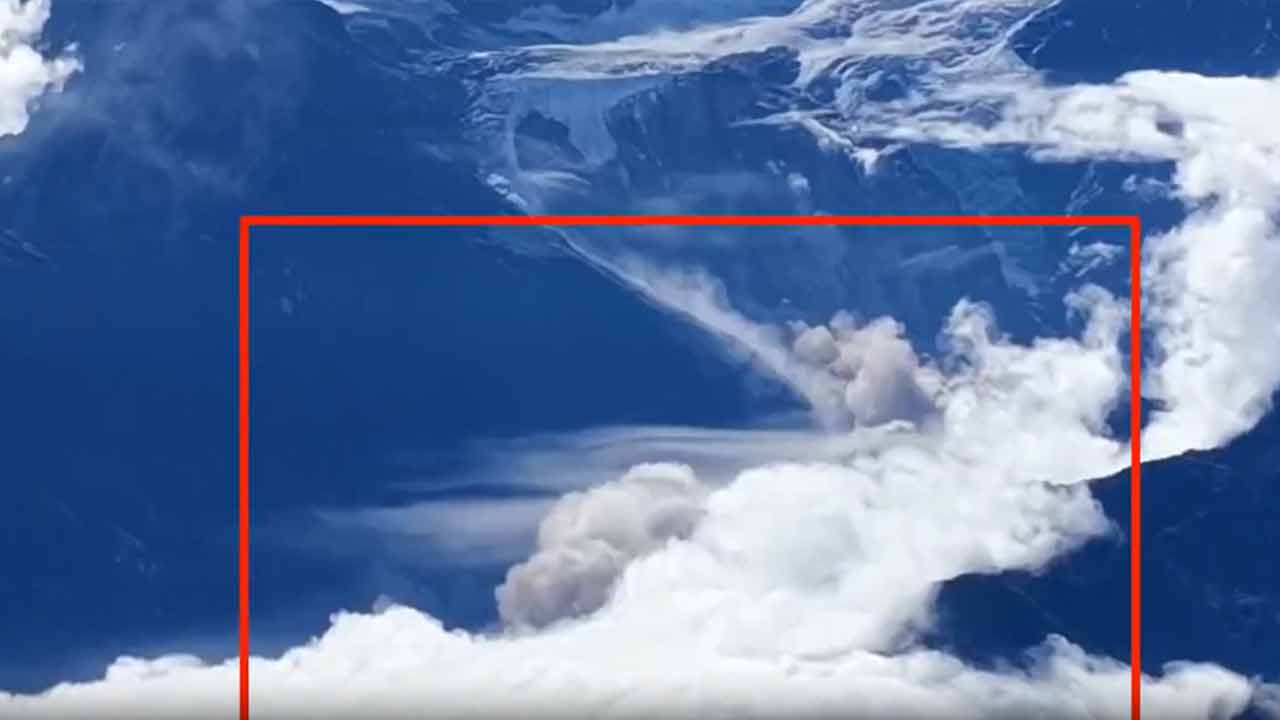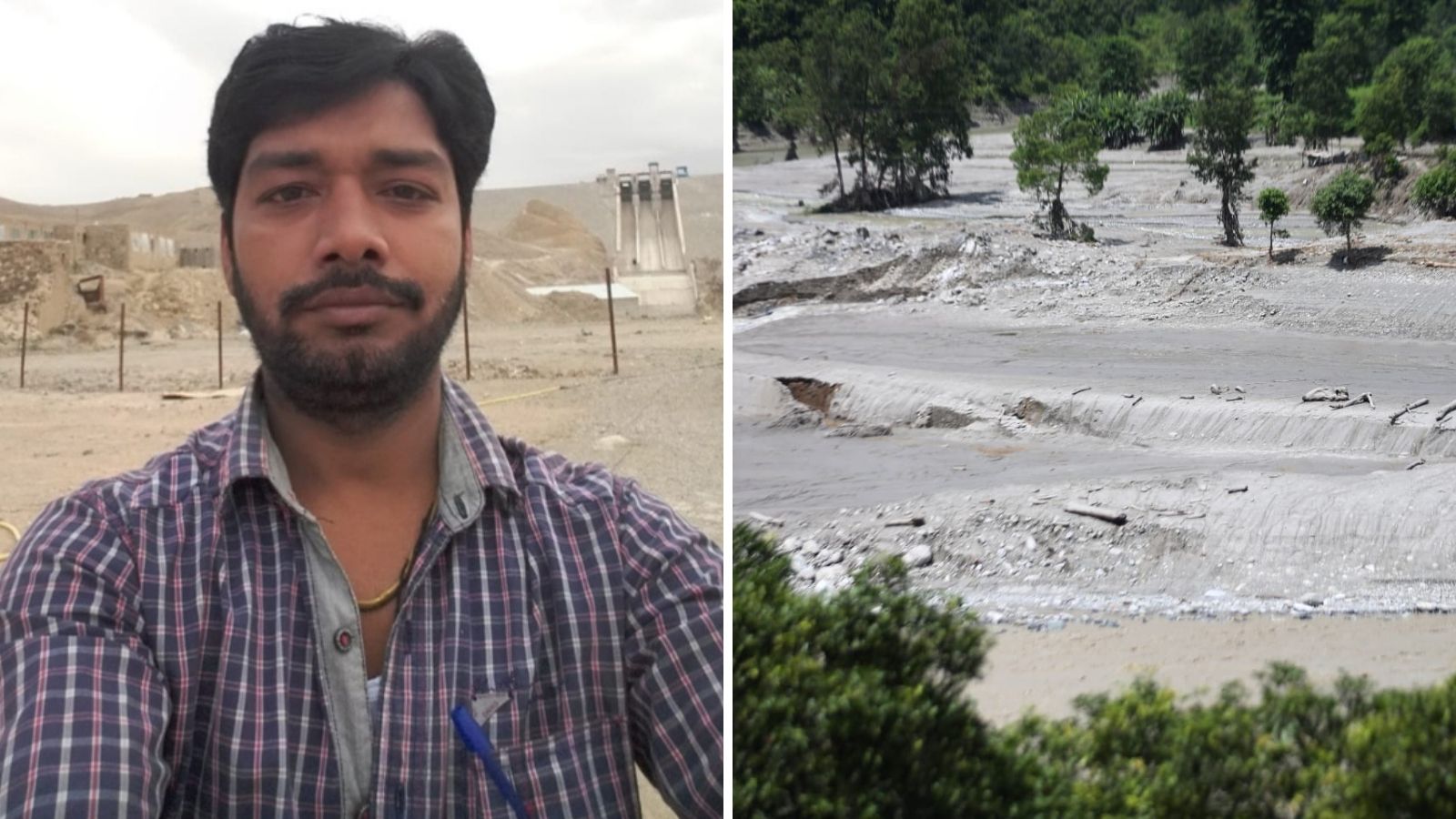
As flash floods triggered by a glacier collapse devastate Nepal and Tibet, hundreds of Indian nationals remain missing. Families, like that of Mahendra Vishwakarma, are left in a state of desperate uncertainty.
- A glacier collapse has triggered devastating flash floods in Nepal and Tibet, claiming 626 lives so far.
- Hundreds of Indian nationals, including hydropower workers, remain unaccounted for.
- Families are desperately seeking help from both Indian and Nepalese authorities.
The silence from a mobile phone can be more deafening than the roar of a flood. For the family of Mahendra Vishwakarma, a mechanical fitter working at a hydropower project in Nepal, that silence began on the morning of August 25. A single missed call at 8:00 AM has turned into a nightmare of uncertainty.
“Maybe he was calling to tell us about the flood,” says his younger brother, Vikas. Since that final attempt to connect, Vishwakarma’s number has been unreachable. He is just one among hundreds of Indians missing after a catastrophic glacier collapse sent torrents of water through parts of Nepal and Tibet this week. The official death toll has already climbed to 626, with thousands still missing.
Why This Matters
BozokMedia analysis shows that the increasing frequency of Glacial Lake Outburst Floods (GLOFs) poses an existential threat to both local ecosystems and the massive infrastructure investments in the Himalayan belt. As companies like ANDRITZ Hydropower undertake large-scale projects in these volatile zones, the vulnerability of the migrant workforce becomes a critical humanitarian and corporate responsibility issue.
The intersection of rapid infrastructure development and climate instability is creating a new class of high-risk migrant workers in the Himalayan region.
ANDRITZ Hydropower, the contractor for the 216 MW Upper Trishuli-1 Hydropower Project, confirmed that several employees were at the site when the disaster struck. While some personnel have been rescued with the help of the Indian Embassy and local agencies, many colleagues remain unaccounted for. The company has issued helplines to assist grieving families.
Historical Background
The Himalayan region is one of the most geologically active and climate-sensitive zones in the world. Historically, seasonal flooding has been a known risk, but the recent trend of sudden glacier collapses—driven by rising global temperatures—has shifted the scale of these disasters from manageable seasonal events to catastrophic flash floods that can wipe out entire communities and work sites in minutes.
Frequently Asked Questions
Question 1: What is the status of the search operations?
Answer: Search and rescue teams, including local Nepalese authorities and specialized agencies, are actively working to locate missing persons, though terrain challenges persist.
Question 2: How can families contact the hydropower company?
Answer: ANDRITZ India can be reached at +91-9311906260 and ANDRITZ Nepal at +977-9716236425.