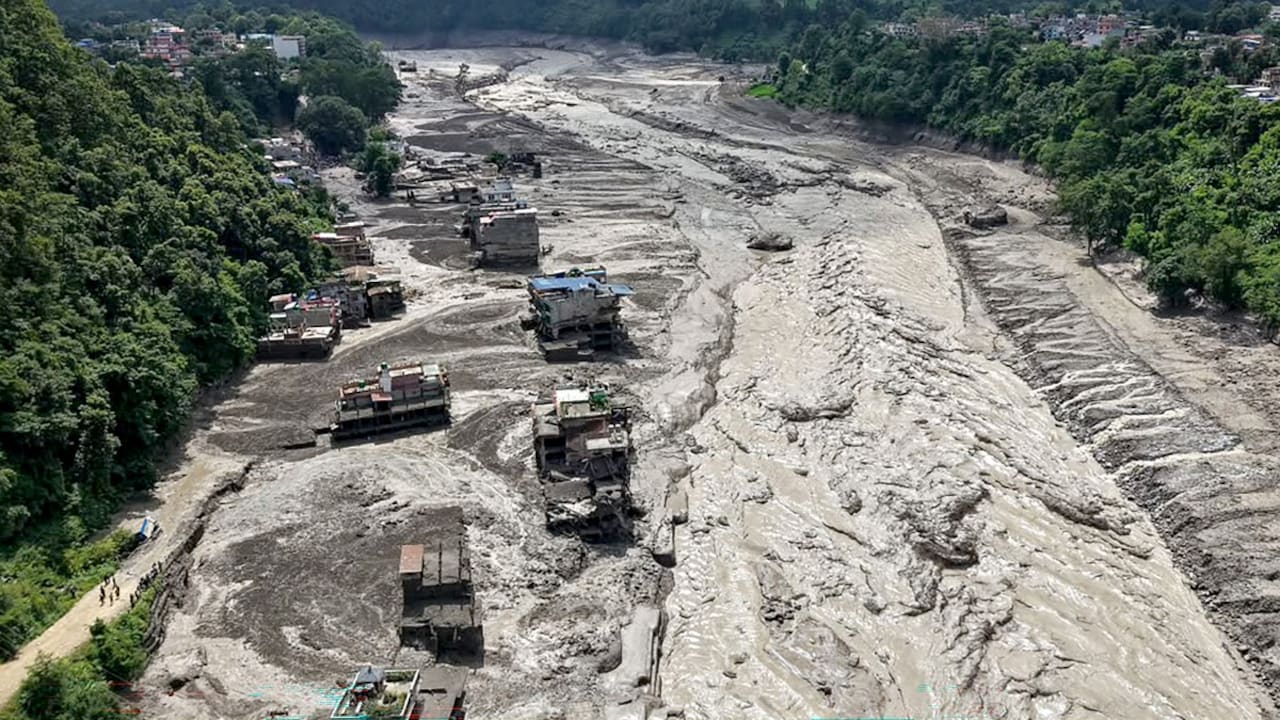
Devastating flash floods in central Nepal have claimed 675 lives, with over 2,400 people still missing. Prime Minister Balendra Shah has mobilized state machinery to prioritize life-saving rescue operations.
- Death toll from Nepal flash floods has reached 675.
- Over 2,400 individuals remain missing across affected regions.
- PM Balendra Shah has ordered full mobilization of state resources.
- International experts from India and China are assisting in rescue efforts.
The central regions of Nepal are grappling with an unprecedented humanitarian crisis as flash floods continue to wreak havoc across the landscape. As of Saturday, the official death toll has surged to 675, while the scale of the disaster is further underscored by the fact that more than 2,400 people remain unaccounted for.
Prime Minister Balendra Shah issued a stern statement emphasizing that the government is treating the massive loss of life and property with the utmost seriousness. The floods have particularly devastated the districts of Rasuwa, Nuwakot, and Dhading, leaving entire downstream communities in peril. The Prime Minister reiterated that the state's primary mandate is the preservation of every citizen's life.
Why This Matters
BozokMedia analysis shows that the intersection of extreme weather patterns and the fragile Himalayan topography creates a high-risk environment for flash floods. The impact on hydropower infrastructure and the displacement of thousands highlight the urgent need for more resilient disaster management frameworks in the region.
"It is the first priority of the state to save the life of each and every citizen through the mobilisation of all the state mechanism." - PM Balendra Shah
Rescue operations are currently being conducted under extremely challenging conditions, including treacherous terrain and volatile weather. To date, 7,514 people have been successfully evacuated via air and land routes. A massive force of 18,708 security personnel, including the Nepal Army, has been deployed to lead the search and rescue missions.
The response has also seen significant international cooperation. Experts from India and China have been deployed to work in close coordination with local authorities to navigate the complex rescue landscape. Aerial support is being provided by 16 helicopters, with 236 sorties completed so far to reach isolated pockets.
In terms of humanitarian aid, the government has established temporary shelters in schools and community buildings for approximately 3,500 displaced persons. Essential supplies, including food and medical aid, are being distributed. Furthermore, the state has initiated free medical treatment for the injured and psychological counseling for survivors dealing with the trauma of the disaster.
Frequently Asked Questions
Question 1: Which areas in Nepal are most affected by the floods?
Answer: The districts of Rasuwa, Nuwakot, and Dhading have reported the most significant damage.
Question 2: How is the international community assisting Nepal?
Answer: Experts from India and China are actively participating in rescue operations alongside the Nepal Army.