Facing immense diplomatic pressure and a rising death toll, the Nepal government has reversed its decision to reject foreign aid, welcoming international experts for rescue and forensic tasks.
- Nepal government reverses decision to refuse international search and rescue teams.
- Diplomatic pressure from nations with missing citizens triggered the policy shift.
- India has deployed a C-130 aircraft with 10 tons of relief material.
- Death toll exceeds 626, with approximately 2,500 people still missing.
In a significant diplomatic and humanitarian shift, the Government of Nepal has reversed its previous stance regarding foreign assistance during the ongoing catastrophic floods. Initially maintaining that local rescue teams were sufficient, the government has now opened its doors to international experts for specialized tasks including DNA testing, forensic investigations, and advanced search and rescue operations.
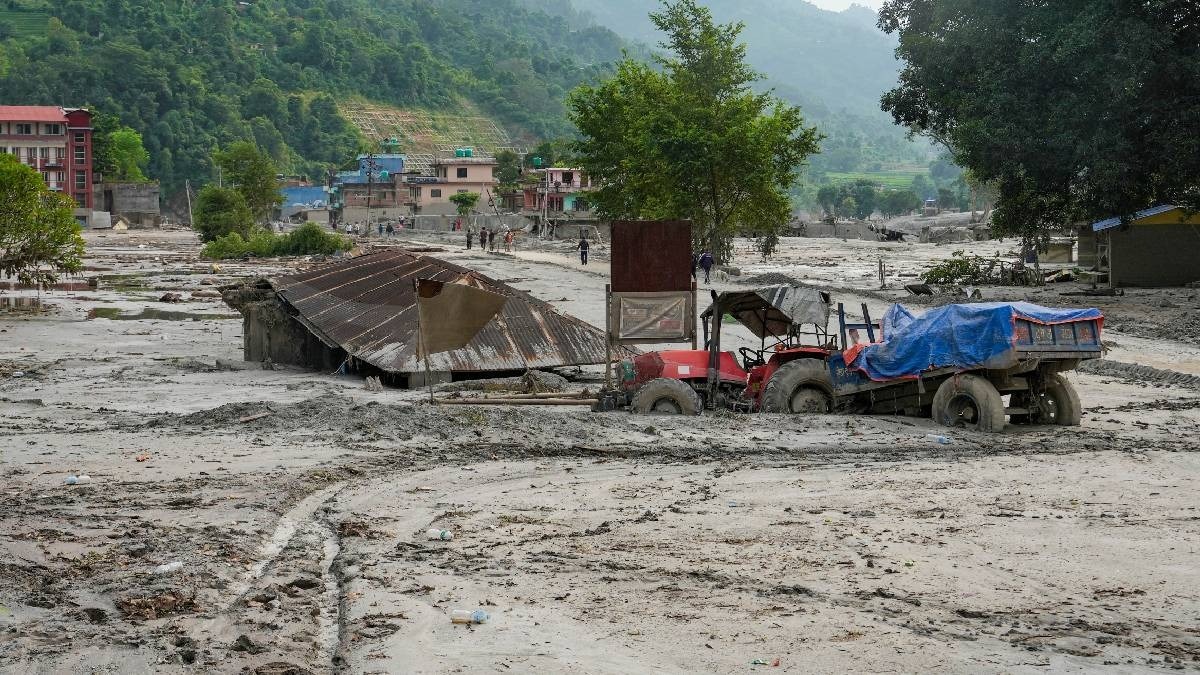
This policy reversal comes following intense diplomatic pressure from several nations whose citizens are reported missing in the disaster zones. The scale of the tragedy has surpassed the capacity of local agencies, necessitating high-tech intervention to identify victims and locate survivors in the debris-strewn landscapes.
Why This Matters
BozokMedia analysis shows that this U-turn highlights the intersection of humanitarian crisis and regional geopolitics. As Nepal seeks help, the immediate and massive response from India underscores its role as a primary first responder in the South Asian region.
The scale of the missing persons report has turned a local natural disaster into a complex international humanitarian crisis.
India's Rapid Response: Demonstrating its commitment to regional stability, India has acted swiftly. The Indian Air Force successfully deployed a C-130 aircraft carrying 10 tons of essential relief supplies, including medicines and food items, to Kathmandu. Additionally, a specialized Indian technical team has already arrived on the ground to assist in recovery efforts.
The Scale of Devastation: The statistics emerging from the disaster zone are harrowing. The death toll has surged past 626, while an estimated 2,500 people remain missing. Among those missing are 320 Indian nationals, though several hundred others in the Tibet region have been confirmed safe.
In the Nawalparasi district, the overflowing Bhote Koshi and Narayani rivers have caused unprecedented destruction. Authorities have recovered 158 bodies so far, with forensic experts expected to arrive soon to assist in the identification process through DNA profiling.
| Feature | Original Stance | Revised Stance |
|---|---|---|
| Foreign Rescue Teams | Rejected | Accepted (Limited/Specialized) |
| Technical Assistance | Local only | International Experts welcomed |
| Forensic/DNA Support | Not requested | Crucial requirement |
Frequently Asked Questions
1. Why did Nepal change its decision on foreign aid?
The decision was changed due to the rising number of missing foreign nationals and the need for specialized forensic and technical expertise.
2. What specific help is India providing?
India is providing 10 tons of relief material via the Indian Air Force and sending technical teams for rescue operations.