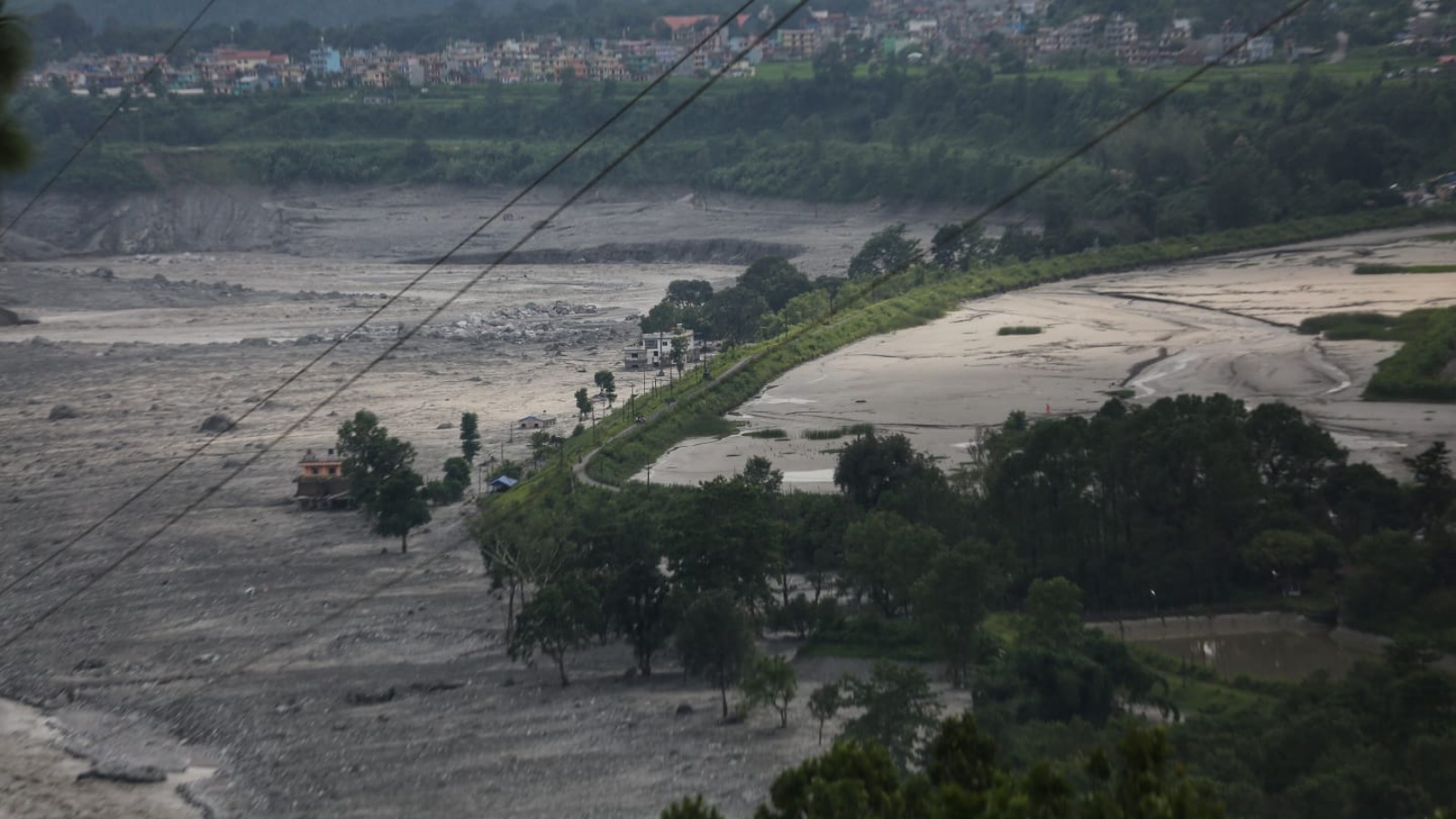
Devastating flash floods in Nepal have significantly damaged the country's hydropower infrastructure, prompting the government to request early electricity imports from India to prevent a major shortfall.
- Nepal's domestic hydropower generation capacity has dropped by approximately 550 MW.
- A total of 13 hydropower plants and one solar plant have been affected by the floods.
- Nepal has requested advance electricity imports from India starting in September.
- India maintains sufficient reserve capacity to absorb the reduction in imports without affecting its domestic grid.
The government of Nepal has formally sought advance approvals to import electricity from India starting this September. This move comes as a direct response to the massive generation shortfall caused by recent devastating flash floods that have ravaged the country's energy infrastructure.
Historically, electricity trade between Nepal and India follows a seasonal pattern. During the monsoon, Nepal exports surplus hydropower to India, while during the dry winter months, it imports electricity to compensate for low river levels. Typically, these import requests are made around October; however, the sudden destruction caused by the floods has forced Nepal to seek assistance much earlier than usual.
Why This Matters
BozokMedia analysis shows that this incident highlights the extreme vulnerability of hydropower-dependent economies to climate-induced disasters. With hydropower accounting for the bulk of Nepal's 4,300 MW installed capacity, any disruption to river systems immediately threatens national energy security and regional trade dynamics.
The sudden 550 MW drop in Nepal's generation capacity underscores the urgent need for climate-resilient energy infrastructure in the Himalayas.
According to Indian government officials, the damage to hydropower facilities has caused a significant dip in energy output. Consequently, the cross-border power flow to India has decreased by approximately 400 MW from the previous peak export levels of 900-1,000 MW. Despite this, officials emphasized that the shortfall is temporary and will not necessitate emergency procurement or impact India's domestic supply stability.
Detailed Impact on Infrastructure
The Nepal Energy Ministry reported that the floods affected 13 hydropower plants and a solar power plant. In the Rasuwa district alone, operational plants with a capacity of 236 MW and three major under-construction projects totaling 342.42 MW have been impacted. Key projects include Upper Trishuli-1, Rasuwagadhi, and Rasuwa Bhotekoshi.
| District | Affected Operational Capacity (MW) | Affected Under-Construction Capacity (MW) |
|---|---|---|
| Rasuwa | 236 MW | 342.42 MW |
| Nuwakot | 123 MW | 52.6 MW |
In the Nuwakot district, the damage is equally severe, affecting four operational plants (123 MW) and two under-construction projects (52.6 MW), including the 14-MW Devighat hydropower plant which is a key supplier to the Indian grid.
Frequently Asked Questions
1. How much power capacity has Nepal lost due to the floods?
Estimates suggest a loss of approximately 550 MW in domestic generation capacity.
2. Will this affect India's electricity supply?
No, Indian officials stated that India has sufficient reserve capacity to absorb the reduction without affecting the domestic grid.

