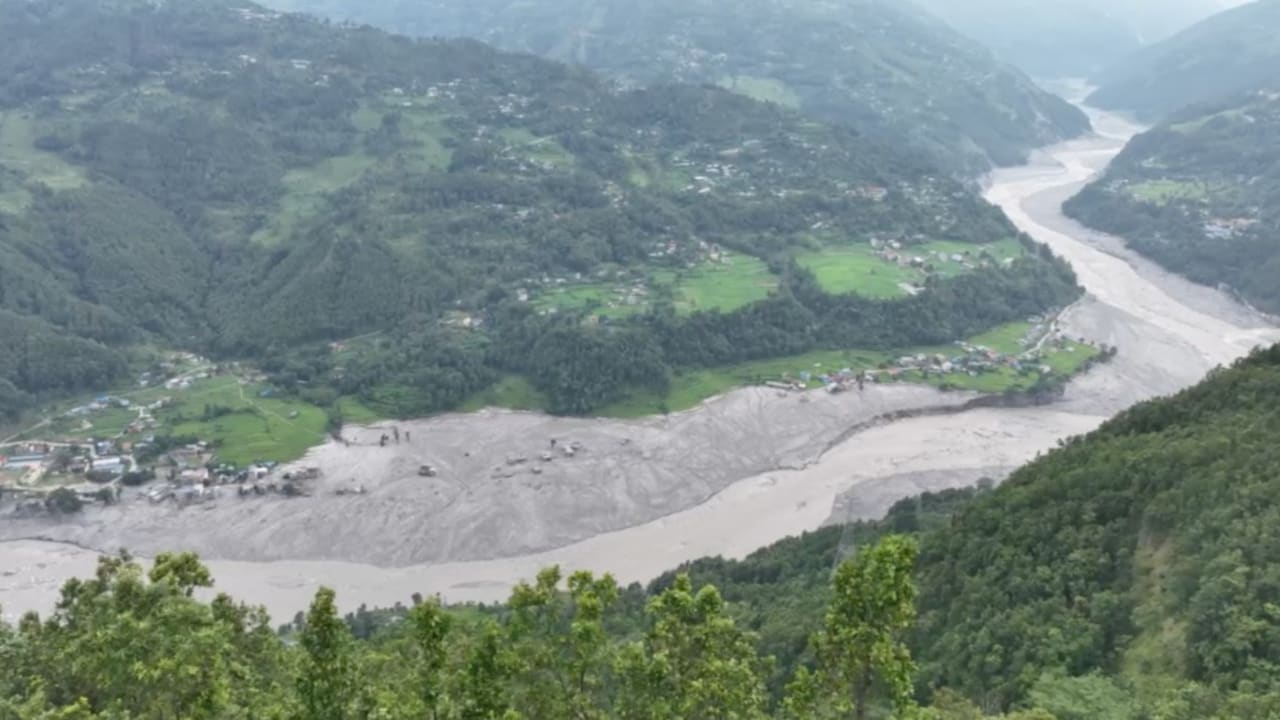
A 10-member specialized field team has arrived in Nepal to collect biological samples following devastating floods. A specialized team in Gujarat stands ready to conduct 24/7 DNA matching.
- A 10-member specialized field team has reached Nepal to collect biological samples.
- The Gandhinagar-based team in Gujarat will provide 24/7 DNA matching services.
- The operation aims to facilitate the identification of flood victims through advanced science.
In the wake of the catastrophic flooding in Nepal, a sophisticated scientific operation has been launched to assist in victim identification. A dedicated 10-member field team has already arrived on the ground in Nepal. Their mission is critical: the systematic collection of biological specimens from the disaster-stricken areas to ensure accurate identification of those lost in the floods.
The logistical backbone of this operation lies in Gujarat, India. The specialized team based in Gandhinagar is prepared to handle all incoming biological specimens with extreme precision. Once the initial batches of samples arrive from Nepal, the Gujarat team will initiate intensive DNA matching procedures, operating around the clock to expedite the process.
Why This Matters
BozokMedia analysis shows that in large-scale natural disasters, the ability to provide definitive identification is as crucial as providing immediate physical relief. Utilizing advanced genomic science minimizes the period of uncertainty for grieving families and ensures legal closures for the victims' estates.
The deployment of rapid-response DNA teams represents the highest standard of modern disaster management and humanitarian science.
Historical Background: Historically, mass casualty events caused by floods and landslides often left families in a state of perpetual mourning due to the inability to confirm identities. The integration of international and regional forensic expertise has revolutionized this aspect of disaster response.
Frequently Asked Questions
Question 1: What is the role of the Gandhinagar team?
Answer: The Gandhinagar team is responsible for the high-speed processing and DNA matching of all samples received from Nepal.
Question 2: How many experts are currently in Nepal?
Answer: A specialized field team of 10 members has already been deployed to the disaster zones.