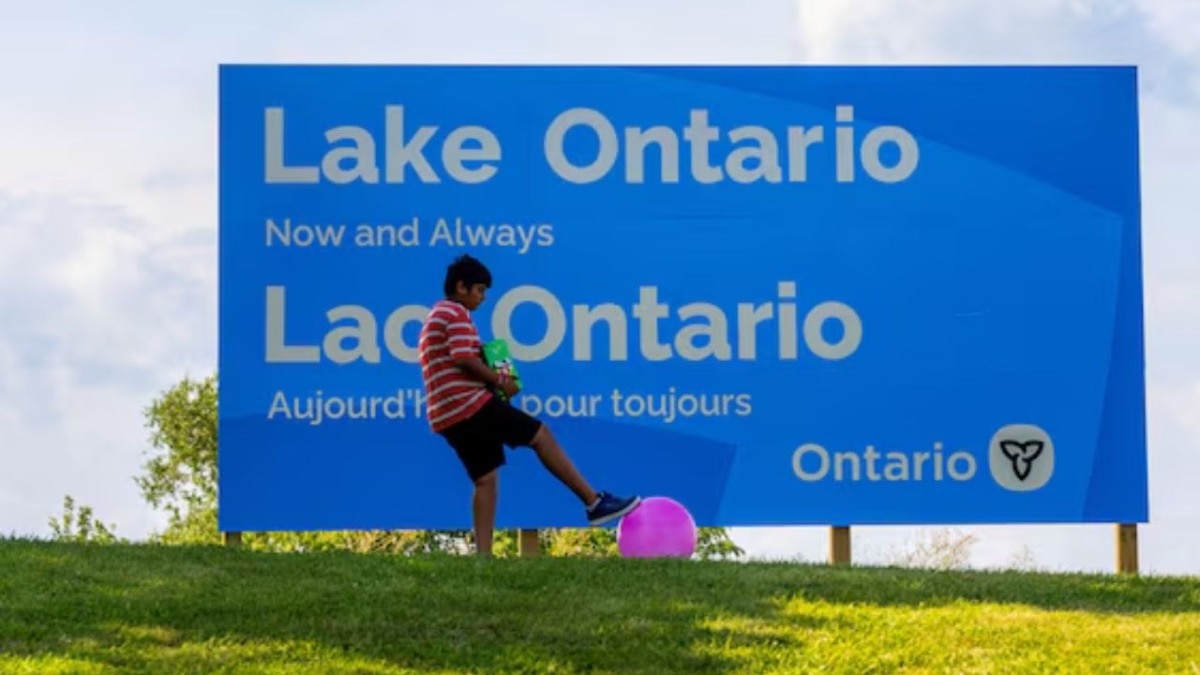
Following an executive order by President Donald Trump, Google Maps has updated its interface for US users, renaming Lake Ontario to 'Lake America,' sparking intense diplomatic backlash from Canada.
- Google Maps has rebranded Lake Ontario as 'Lake America' exclusively for users within the United States.
- The change follows a presidential executive order aimed at redefining Great Lakes nomenclature.
- Canadian officials and US state governors have vehemently rejected the new designation.
In a move that has sent shockwaves through the diplomatic community, Google Maps has officially renamed Lake Ontario to 'Lake America' for users located in the United States. This decision follows an executive order issued by President Donald Trump, targeting the naming conventions of the Great Lakes. According to a Google statement, the company updated its database to align with the US Geographic Names Information System (GNIS), the official standard for US mapping.
The renaming comes amidst escalating trade tensions between the United States and Canada, characterized by reciprocal tariffs on billions of dollars worth of goods. President Trump announced on Thursday that he intended to rename the smallest of the five Great Lakes, a move seen by many analysts as a symbolic gesture in the ongoing trade feud.
Why This Matters
BozokMedia analysis shows that this incident marks a significant intersection of big tech, government policy, and international relations. By implementing these changes, Google is essentially mirroring the shifting political landscape of the US, even if it creates a fragmented reality where users in different countries see different names for the same body of water. This 'split-reality' mapping could have long-term implications for how geographic identity is perceived globally.
The digitalization of geography means that political mandates can now instantaneously alter the perceived reality of millions of users.
The reaction from neighboring regions has been swift and critical. Canadian Prime Minister Mark Carney immediately rejected the renaming. Within the US, the decision has also faced domestic pushback; New York Governor Kathy Hochul stated that her state would not adopt the name, while Vermont Governor Phil Scott described the move as "petty and disappointing."
In a defiant response, Ontario Premier Doug Ford unveiled a massive lakeside sign reading, "Lake Ontario: Now and Always," in both English and French. "President Trump can call it whatever he wants, but I can tell you, the rest of the world will always call it Lake Ontario," Ford remarked during the unveiling.
Historical Background
Lake Ontario is one of the five Great Lakes that form a massive freshwater system in North America. Historically, these lakes have been vital for trade and ecological stability. This is not the first time such a change has occurred; last year, Google Maps labeled the Gulf of Mexico as the "Gulf of America" following a similar executive order from the Trump administration.
Frequently Asked Questions
Question 1: Will the name change affect users in Canada?
Answer: No, Google has stated that users in Canada and the rest of the world will continue to see the name 'Lake Ontario.'
Question 2: What is the GNIS?
Answer: The US Geographic Names Information System (GNIS) is the official repository of domestic geographic names used by the US federal government.