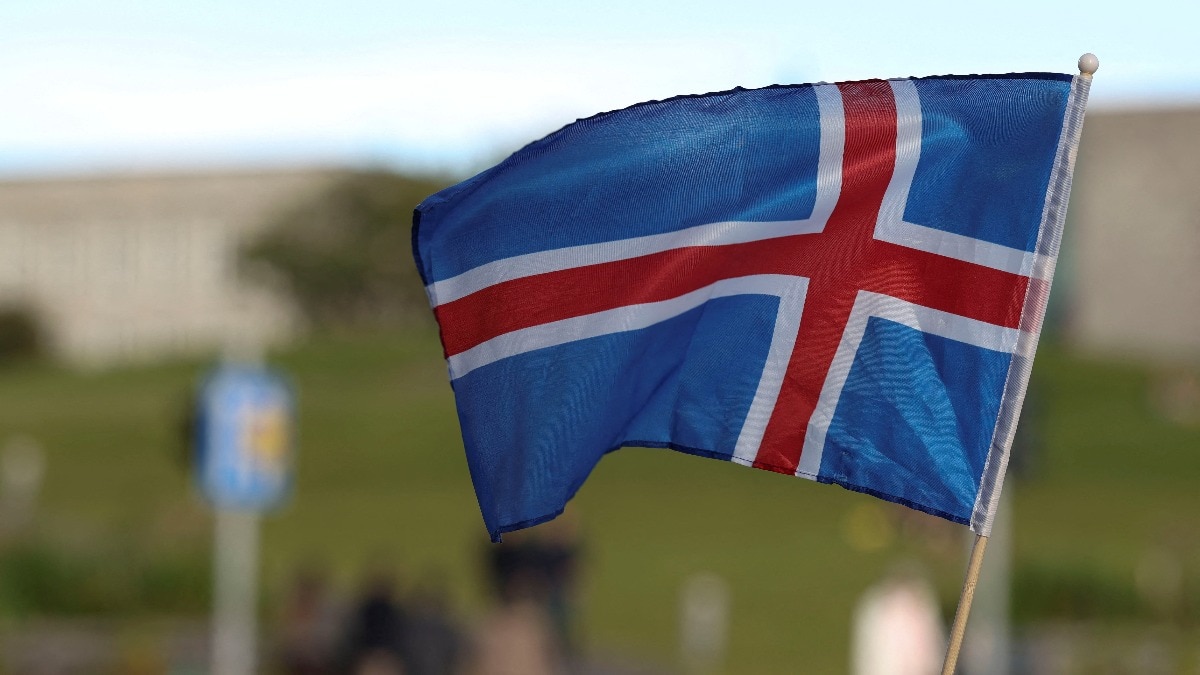
In a decisive blow to the government's push for integration, Icelanders have voted against reopening membership talks with the European Union, prioritizing fishing rights over bloc benefits.
- Icelandic voters rejected the government's bid to reopen membership negotiations with the EU.
- Concerns over the loss of control over territorial fishing waters were the primary driver for the 'No' vote.
- The result undermines Brussels' strategy to use Iceland as a low-risk case for EU enlargement.
Reykjavik has witnessed a significant political shift as voters have officially decided to stay out of the European Union. According to broadcaster RUV, the public has rejected the government's push to reopen membership talks, siding with critics who argue that Iceland's vital fishing waters are too precious to risk under EU regulations.
While a few constituency votes remain pending, they are not expected to alter the final outcome. This result is a major disappointment for Brussels, where officials viewed the nation of 400,000 as a strategic entry point to ease skepticism regarding EU enlargement and strengthen the bloc's footprint in the strategically sensitive Arctic region.
Why This Matters
BozokMedia analysis shows that Iceland's decision is a manifestation of the 'Sovereignty Paradox.' While the nation faces economic pressures like high inflation, the psychological and political cost of surrendering resource autonomy to a distant bureaucracy in Brussels was deemed too high. This suggests that for small, resource-rich nations, economic stability is secondary to resource security.
The history of Iceland's relationship with the EU is marked by volatility. The country first applied for membership in 2009 following a devastating financial crisis. However, a Eurosceptic government halted those talks in 2013. The recent push for membership was driven by geopolitical instability, including conflicts in the Middle East and aggressive US import tariffs.
"The rejection of EU membership is not a rejection of Europe, but a fierce defense of the maritime heritage that defines the Icelandic state."
Economic arguments dominated the campaign. 'Yes' campaigners highlighted that joining the bloc and potentially adopting the euro could lower interest rates. Currently, Iceland's central bank rate stands at 8%, significantly higher than the European Central Bank's 2.25%. However, opposition leader Gudrun Hafsteinsdottir argued that these are internal structural faults that Brussels cannot fix.
| Factor | 'Yes' Campaign Argument | 'No' Campaign Argument |
|---|---|---|
| Interest Rates | Potential drop toward ECB levels (2.25%) | National control over monetary policy |
| Fishing Rights | Historical quotas might be preserved | Inevitable loss of sovereignty over waters |
| Geopolitics | Shield against Arctic rivalry | Independence from EU bureaucratic mandates |
Prime Minister Kristrun Frostadottir had framed the referendum as a "now or never" moment, warning that a negative outcome would effectively shelve the membership question for the foreseeable future. Despite her efforts, the electorate chose independence over integration.
Frequently Asked Questions
1. Why did Icelanders vote against EU membership?
The primary reasons were the fear of losing control over their fishing waters and a desire to maintain national sovereignty.
2. What were the promised economic benefits of joining the EU?
Supporters argued that membership could lead to lower interest rates and more stability against global trade wars.