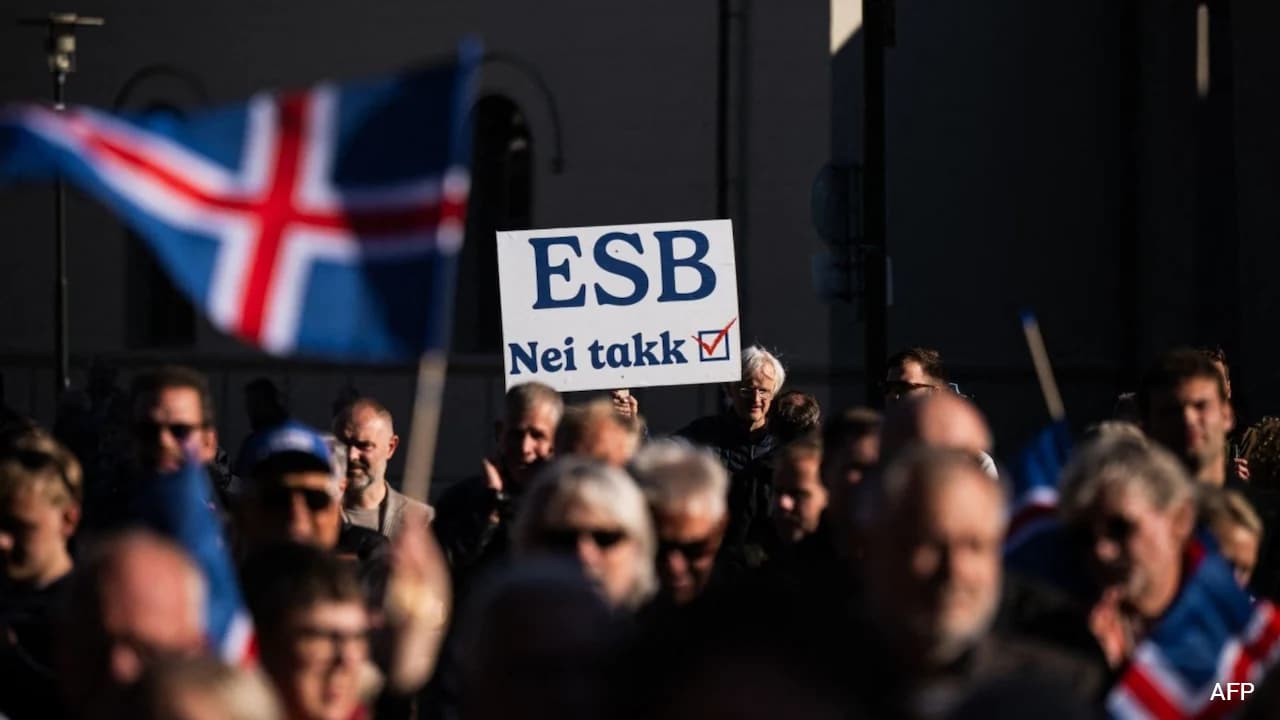
In a significant shift of public opinion, Icelanders have voted against restarting negotiations to join the European Union, reversing years of political debate.
- Icelandic voters have decisively rejected the proposal to resume EU membership negotiations.
- The nation first applied for EU membership in 2009.
- Recent opinion polls indicate a massive shift in public sentiment compared to previous years.
The Arctic nation of Iceland, home to approximately 400,000 people, has reached a pivotal moment in its long-standing debate over European Union (EU) membership. While political analysts had initially predicted a narrow margin in favor of continuing membership talks, recent data has shattered those expectations. The electorate has signaled a clear desire to remain outside the bloc.
This decision comes after months of intense public discourse. For a decade, the prospect of joining the EU has been a polarizing issue, touching upon everything from economic stability to the preservation of national identity. The latest opinion polls released this month suggest that the tide has turned sharply against integration.
Historical Background
Iceland’s journey with the European Union began in 2009, when the nation officially applied for membership. At that time, the global financial crisis had prompted many to view EU membership as a potential stabilizer for the Icelandic economy. However, over the years, concerns regarding fishing rights—a cornerstone of the Icelandic economy—and the loss of monetary autonomy through the Euro have fueled opposition.
Why This Matters
BozokMedia analysis shows that Iceland's rejection is not merely an isolated event but a reflection of a growing trend of skepticism toward supranational organizations. As smaller, resource-rich nations weigh the benefits of a larger market against the costs of surrendered sovereignty, the internal cohesion of the European Union faces new challenges.
The Icelandic electorate has prioritized the control of its natural resources and sovereign decision-making over the perceived economic benefits of EU integration.
Geopolitically, Iceland's stance maintains its unique position in the Arctic. By remaining outside the EU, Iceland retains full control over its maritime boundaries and economic policies, which are critical in an era of increasing Arctic competition.
Frequently Asked Questions
1. When did Iceland first apply to join the EU?
Iceland submitted its first formal application for EU membership in 2009.
2. What are the main concerns for Icelanders regarding the EU?
Key concerns include the protection of fishing rights and maintaining control over national economic policies.