India has dispatched 68.5 tonnes of relief material, tunnel experts, and forensic teams to assist Nepal following devastating flash floods. Specialized equipment for Bailey bridges is also being sent to restore connectivity.
- India has provided 68.5 tonnes of relief materials to flood-affected Nepal.
- Specialized technical contingents, including tunnel experts and forensic teams, have been deployed.
- Modular steel bridge equipment and plans for Bailey bridges are underway to restore transport.
In a significant humanitarian gesture, India has provided 68.5 tonnes of relief materials to flood-hit Nepal. Beyond essential supplies, the Indian government has dispatched specialized technical teams, forensic experts, and advanced equipment to assist in critical search and rescue operations following the catastrophic flash floods that struck the region on August 26, 2026.
The Ministry of External Affairs (MEA) confirmed that a fourth flight, carrying 11 tonnes of relief assistance, landed in Nepal on Sunday, August 30. This shipment includes vital supplies such as blankets, sleeping bags, tarpaulins, plastic sheets, and hygiene kits, aimed at providing immediate shelter and sanitation to displaced populations.
Why This Matters
BozokMedia analysis shows that this mission extends far beyond mere material aid; it is a sophisticated technical intervention. By sending tunnel engineers and forensic specialists, India is directly addressing the most complex aspect of the disaster: the potential entrapment of workers in hydropower tunnels and the subsequent need for DNA identification of victims.
India's deployment of specialized tunnel expertise and modular bridge technology is critical for Nepal's rapid recovery from this hydrological disaster.
The Indian technical contingent, comprising doctors, paramedics, and tunnel engineers, has already conducted on-site reconnaissance in the flood-affected Trishuli area of the Nuwakot district. Aerial surveys of the Chilime and Langtang areas were also completed to map the extent of the devastation. This comes as Nepali security forces struggle to reach workers believed to be trapped in the Upper Trishuli-1 and Trishuli-3A hydropower projects.
To restore broken transport links, India has also dispatched 16 trucks carrying equipment for a 230-foot single-lane modular steel bridge. Furthermore, plans are in motion to supply equipment for seven additional Bailey bridges, which can be rapidly assembled without heavy machinery, providing a lifeline to isolated communities.
| Type of Assistance | Details Provided |
|---|---|
| Relief Material | Blankets, sleeping bags, hygiene kits, tarpaulins |
| Technical Teams | Tunnel engineers, doctors, paramedics, forensic experts |
| Infrastructure | Modular steel bridge, Bailey bridge equipment |
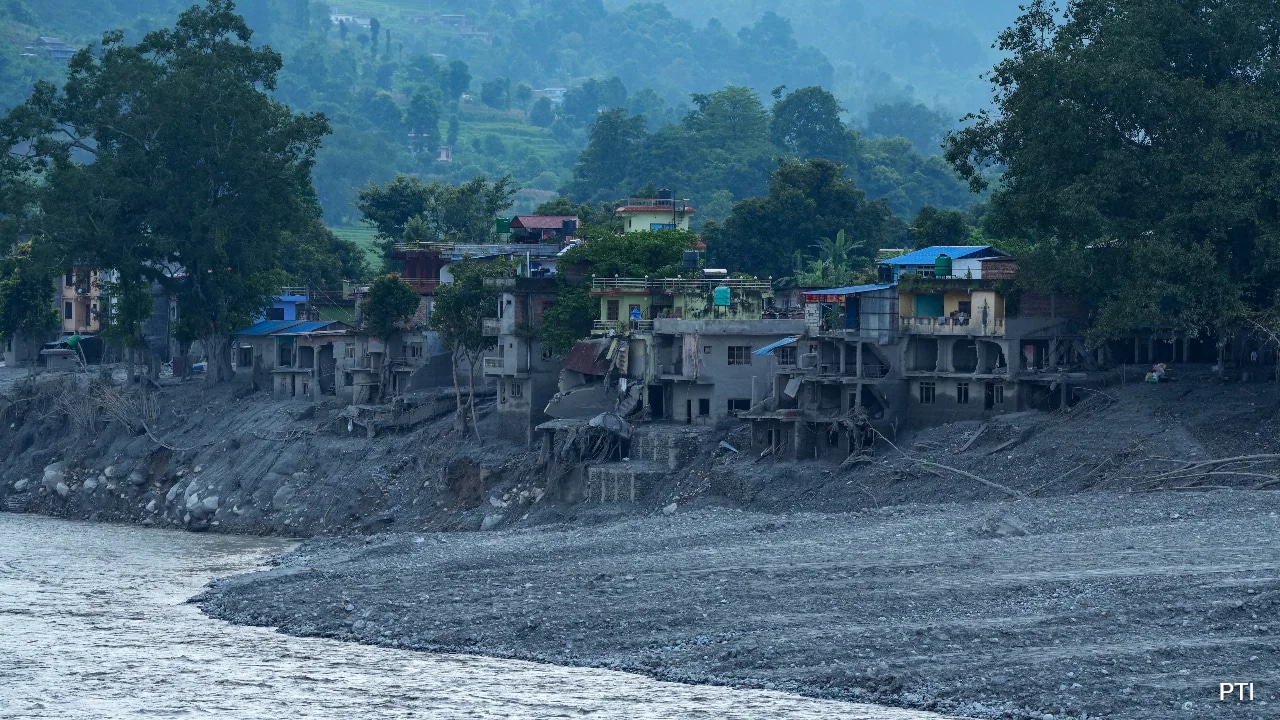
The devastating flash floods, which swept through the Bhotekoshi and Trishuli river corridors, have caused extensive damage to roads, bridges, and hydropower infrastructure, leaving hundreds dead and many more missing.
Historical Background
The relationship between India and Nepal has often been tested by natural calamities. From devastating earthquakes to seasonal monsoon floods, India has frequently acted as a primary responder, providing not just material aid but also specialized engineering and medical expertise to help Nepal navigate its geographical vulnerabilities.
Frequently Asked Questions
1. What specific technical expertise is India providing to Nepal?
India is providing tunnel engineers for rescue operations, forensic experts for DNA analysis, and bridge engineers for infrastructure restoration.
2. Which hydropower projects are most affected by the floods?
The Upper Trishuli-1 and Trishuli-3A projects in the Rasuwa district are among the most critically impacted areas.