India and Uzbekistan have upgraded their relationship to a comprehensive strategic partnership, while devastating floods in Nepal and Tibet continue to claim lives and leave thousands missing.
- India and Uzbekistan elevated ties to a Comprehensive Strategic Partnership.
- A bilateral trade target of USD 5 billion was set for 2030.
- Nepal's flood death toll has risen to 734, with 2,500 people missing.
- PM Modi was conferred with Uzbekistan's highest honor, the Oliy Darajali Do'stlik Order.
In a significant diplomatic breakthrough in Tashkent, Prime Minister Narendra Modi and Uzbek President Shavkat Mirziyoyev have officially upgraded the bilateral relationship to a Comprehensive Strategic Partnership. This move is intended to deepen cooperation across multiple sectors, including defense, energy, and trade. Furthermore, both nations have set an ambitious target to reach an annual bilateral trade volume of USD 5 billion by 2030.
During the high-level visit, PM Modi was honored with the Oliy Darajali Do'stlik Order, Uzbekistan's highest distinction for foreign leaders. In his acceptance speech, the Prime Minister emphasized the 'enduring' nature of the bond between the two nations, highlighting shared historical and cultural connections.
Why This Matters
BozokMedia analysis shows that this strategic upgrade is a cornerstone of India's 'Connect Central Asia' policy. By securing stronger ties with Uzbekistan, India is positioning itself to ensure energy security and create more robust trade corridors that bypass traditional geopolitical bottlenecks.
The elevation of ties with Uzbekistan marks a pivotal shift in India's influence within the Eurasian landmass.
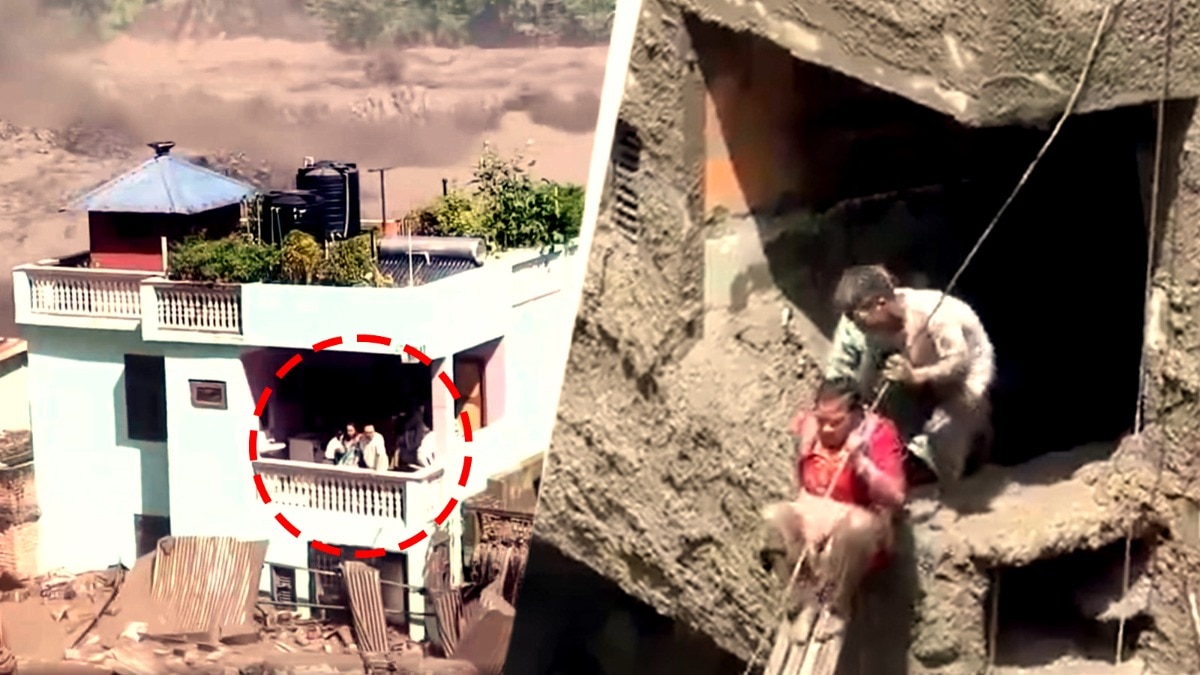
While diplomatic successes unfold, a humanitarian catastrophe is mounting in South Asia. The flash floods that struck on August 26 have devastated Nepal, with the death toll climbing to 734. The situation remains critical as nearly 2,500 individuals are still reported missing. The Bhotekoshi River continues to pose a threat to residents in affected districts.
The crisis extends across the border into Tibet. Chinese authorities have confirmed that 546 people are missing near the Gyirong Port, a vital crossing between Nepal and Tibet, including 49 Indian nationals. Massive rescue operations are underway at several hydropower projects in Nepal's Rasuwa and Nuwakot districts, where hundreds of workers remain unaccounted for after tunnels were blocked by debris.
In response to the disaster, India has dispatched 68.5 tonnes of relief material, along with technical teams and forensic experts, to assist Nepal. The United States has also stepped in, providing over USD 3.6 million in humanitarian aid to support thousands of households affected by the deluge.
Historical Background
India and Uzbekistan have long shared historical ties rooted in ancient trade routes. Over the last decade, this relationship has transitioned from cultural affinity to a robust strategic alliance, driven by mutual interests in counter-terrorism, regional connectivity, and economic diversification.
Frequently Asked Questions
1. What is the new trade goal between India and Uzbekistan?
The two countries aim to achieve USD 5 billion in annual bilateral trade by the year 2030.
2. How is India assisting Nepal in the flood relief?
India has provided 68.5 tonnes of relief material, technical expertise, and equipment to aid search and rescue operations.