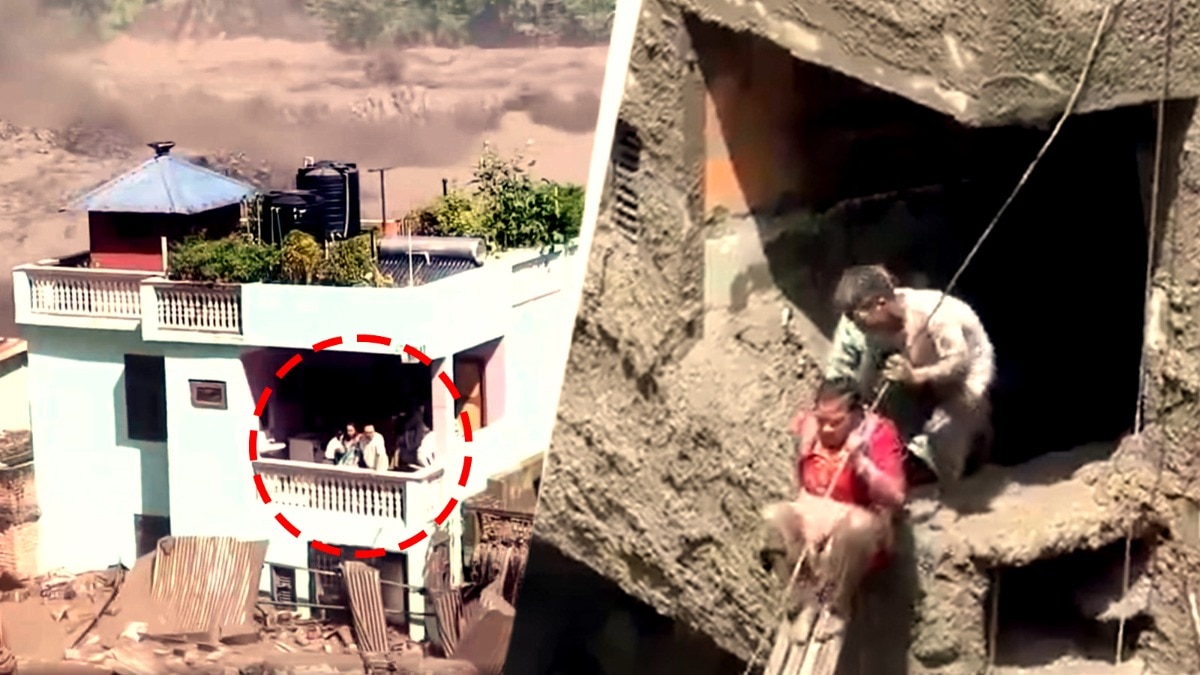
As the death toll in Nepal surpasses 700, rescuers struggle to find 2,500 missing persons amidst debris and rising river levels. Miraculous rescues of young children provide a glimmer of hope amidst the tragedy.
- The death toll from the Nepal flash floods has exceeded 700.
- Approximately 2,500 people remain missing across northern and central regions.
- Several young children were miraculously rescued alive from under rubble.
- Intermittent rainfall and rising river levels are complicating rescue operations.
The devastating flash floods that struck Nepal on August 26 have left a trail of unprecedented destruction across the northern and central regions. The floodwaters, traveling through the Bhotekoshi and Trishuli river systems, have caused massive landslides and inundation. As of August 30, 2026, the official death toll has crossed 700, while the search for nearly 2,500 missing persons continues under increasingly difficult conditions.
Miracles Amidst the Mud
Amidst the widespread grief, stories of survival have emerged. Five-year-old Ishara Tamang, rescued from the village of Khalte in the Rasuwa district, provided a haunting account to medical staff in Kathmandu: "Mother was swept away. I jumped and moved forward, then got trapped in a net." While Ishara survived, her mother's whereabouts remain unknown. In another instance, an Armed Police Force team in the Timure border town heard cries from beneath a collapsed security post, successfully rescuing a six-year-old girl alive.
Perhaps the most miraculous rescue involved five-year-old Manisha. Rescuers, initially believing they heard a cat trapped under debris near Syabrubesi, discovered the young girl after two hours of digging. Despite being barely responsive and facing helicopter evacuation delays due to bad weather, she was eventually reunited with her parents in a Kathmandu hospital.
Why This Matters
BozokMedia analysis shows that the increasing frequency of extreme weather events in the Himalayan region is a direct consequence of shifting climatic patterns. The destruction of critical infrastructure, such as homes, shops, and security posts, highlights the vulnerability of mountain communities to sudden hydrological shifts.
The scale of this disaster underscores the urgent need for integrated early warning systems and resilient mountain infrastructure to mitigate future loss of life.
For survivors like Rekha Devi Gosain of Trishuli Bazaar, the disaster has stripped away more than just homes; it has taken livelihoods and access to essential healthcare. Many survivors are currently congregating at hospitals, clutching photographs of loved ones, hoping for news in an environment where rising river levels threaten to restart the cycle of destruction.
Frequently Asked Questions
Question 1: How many people are currently missing in Nepal?
Answer: According to recent reports, approximately 2,500 people are still unaccounted for.
Question 2: Which rivers were most affected by the floods?
Answer: The Bhotekoshi and Trishuli river systems were the primary drivers of the downstream destruction.