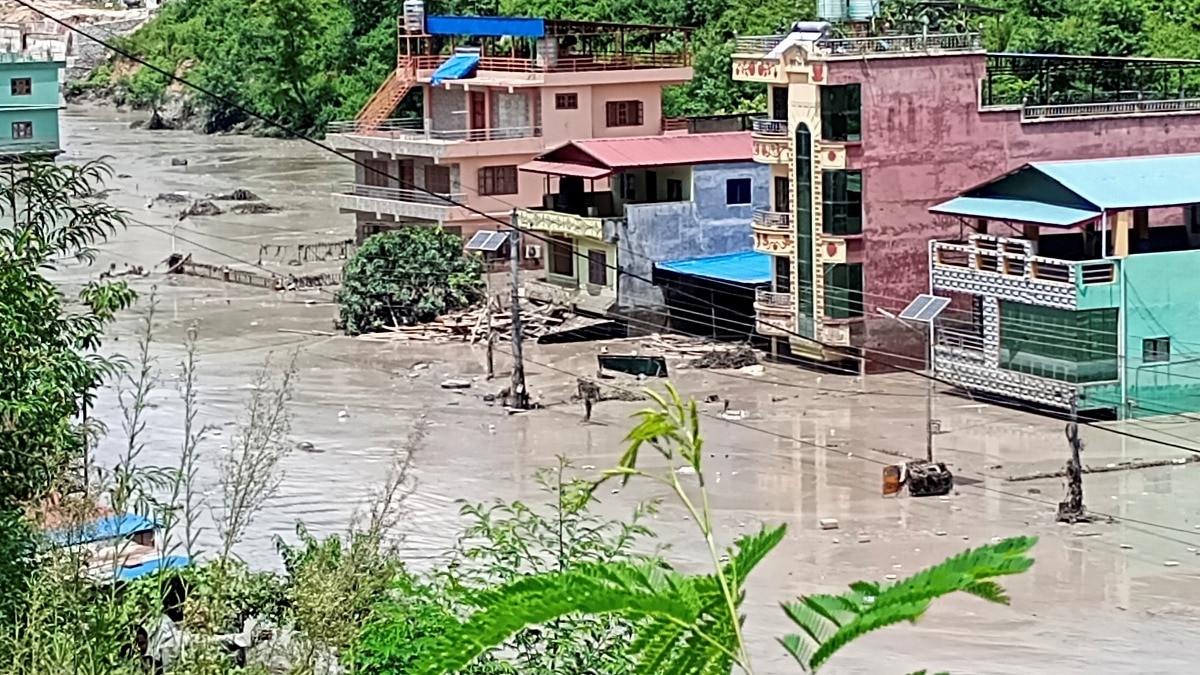
Rescue operations in Nepal have intensified as 537 employees remain missing in hydropower tunnels following devastating floods. International teams from India, China, and South Korea have deployed to assist in the complex recovery mission.
Rescue teams in Nepal are engaged in a desperate battle against time, mud, and debris to reach hundreds of workers trapped inside hydropower tunnels. Following catastrophic flooding in the Rasuwa and Nuwakot districts, the scale of the disaster has prompted an international mobilization of expertise. According to the Independent Power Producers' Association in Nepal (IPPAN), 537 individuals remain missing from nine different hydropower sites.
The situation is most critical at the 216 MW Upper Trishuli-1 Hydropower Project in Rasuwa, where local reports suggest nearly 300 people are still trapped within the submerged tunnels. While 361 workers have been successfully rescued out of the initial 898 reported out of contact, the remaining workers face life-threatening conditions due to blocked entrances and damaged infrastructure.
Why This Matters
BozokMedia analysis shows that this incident highlights the extreme vulnerability of high-altitude infrastructure to climate-induced disasters. The disruption of these hydropower projects not only poses a massive humanitarian risk but also threatens the regional energy stability of South Asia.
The complexity of accessing deep-subsurface tunnels amidst massive landslides makes this one of the most difficult rescue operations in the region's history.
In a significant diplomatic and humanitarian move, India has deployed an 11-member technical team consisting of doctors, paramedics, and tunnel engineers. The Indian Embassy in Kathmandu confirmed that the team has been conducting aerial surveys and on-site reconnaissance in the Trishuli and Chilime areas. Simultaneously, China has sent a six-member team of tunnel experts to assist with specialized drilling and clearing operations.
The Nepali Army has taken proactive steps by airlifting excavators and bulldozers via helicopter to improve access to remote sites. Rescuers have managed to identify the 'crown' or upper section of certain buried tunnels, allowing them to begin sending oxygen and specialized cameras through drilled openings to assess the survival status of those inside.
Frequently Asked Questions
1. Which projects are most affected by the floods?
The Upper Trishuli-1 and Upper Trishuli-3A projects are among the most severely impacted.
2. How is the international community helping?
India, China, and South Korea are providing specialized engineers and medical teams for the rescue.