The Nepali Army is using heavy machinery and controlled blasting to widen an access point to the Upper Trishuli-3A tunnel. Over 500 workers remain missing across various hydropower projects following devastating floods.
- 42 technical personnel are feared trapped inside the Upper Trishuli-3A tunnel.
- A 90-member joint rescue team, including the Nepali Army and police, is on-site.
- Specialist teams from India and China have arrived to assist in the operation.
- A total of 537 workers remain unaccounted for across nine hydropower projects in Nepal.
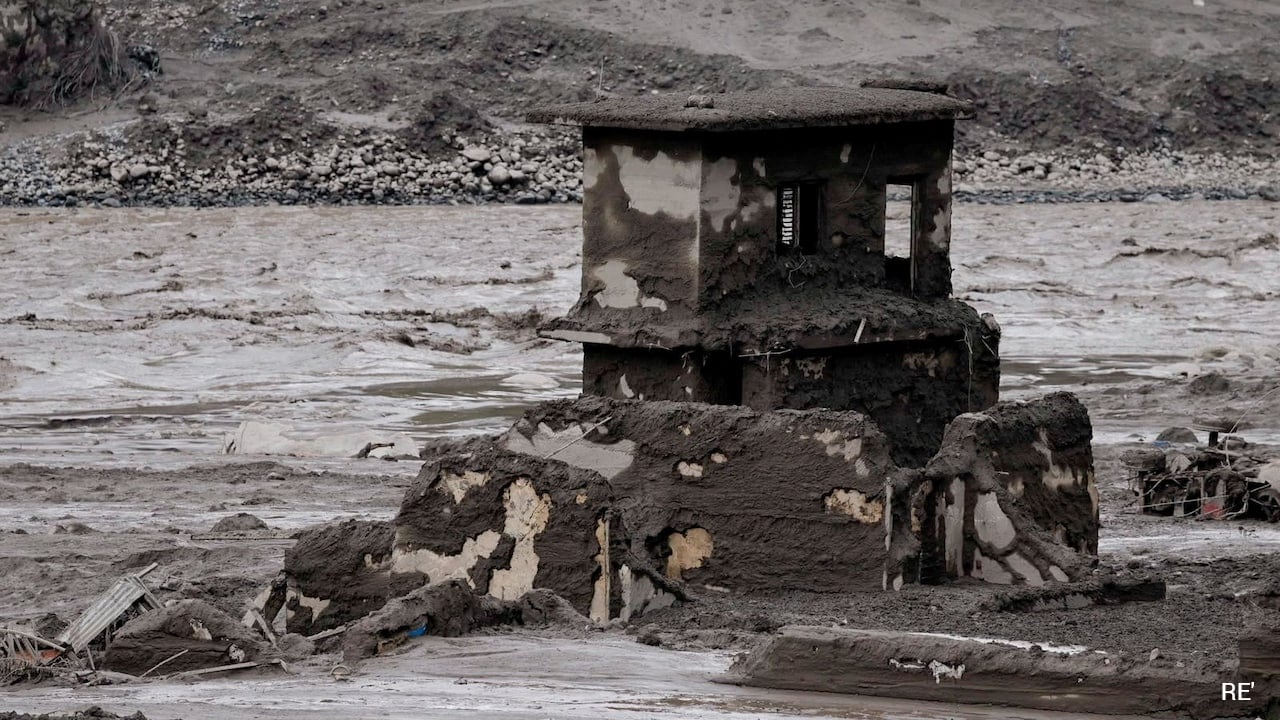
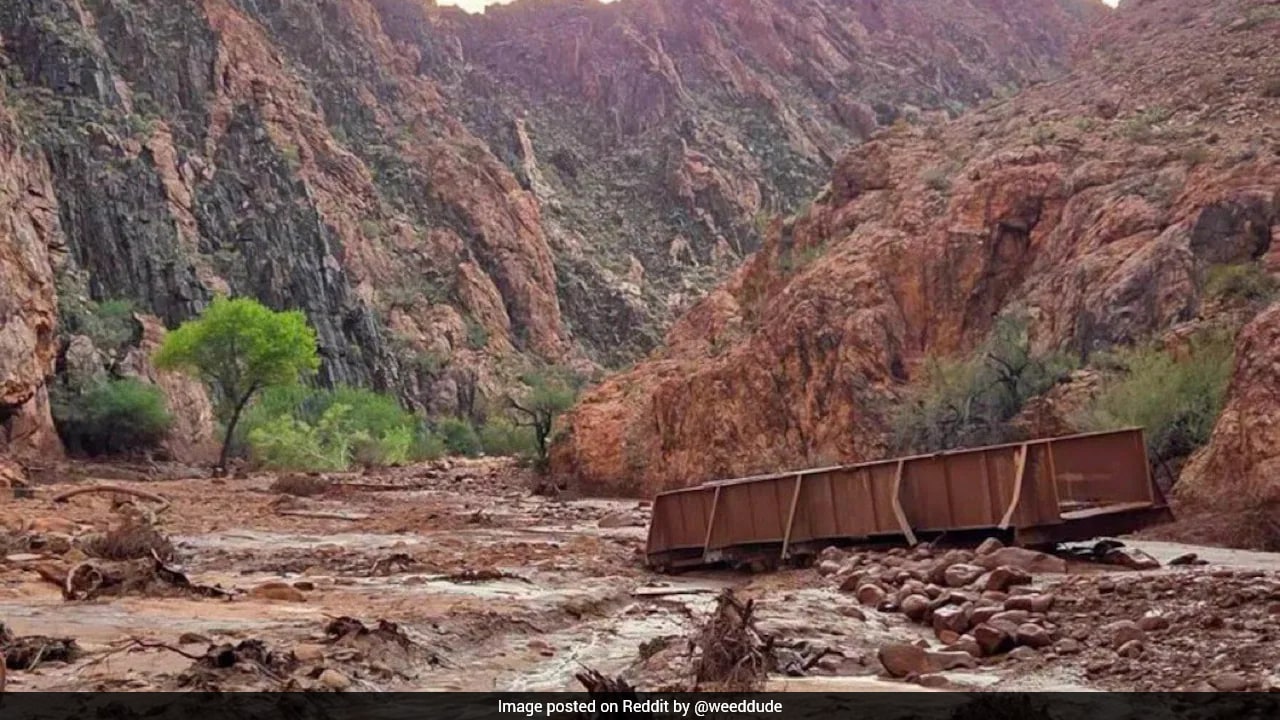
In a race against time, Nepali Army engineers have escalated rescue efforts on Sunday to reach 42 individuals believed to be trapped within the Upper Trishuli-3A hydropower project tunnel. Following catastrophic floods on August 26, the military is employing heavy equipment and controlled blasting to widen an access point into the debris-covered structure. This operation underscores the massive scale of the hydropower disaster currently unfolding in Nepal.
The Rescue Operation in Detail
According to the Nepal Prime Minister's Office (PMO), a massive 90-member joint rescue task force has been deployed. This specialized unit comprises 66 Nepali Army personnel—including a high-tech search and rescue team equipped with trained dogs—18 Armed Police Force members, and 6 Nepal Police officers. The team successfully breached the 'crown head' section of the tunnel, creating a 2-by-3-foot opening. However, despite descending via ropes to call out to those inside, rescuers have yet to receive any response.
To accelerate the process, the Nepali Army has performed a complex logistical feat by dismantling excavators and bulldozers into sections to airlift them via helicopter to the Battar region in Nuwakot. The tunnel mouth, located approximately 40 meters upstream and eight meters below the initial vertical hole, presents significant technical challenges for the engineering teams.
Why This Matters
BozokMedia analysis shows that the scale of this disaster highlights the extreme vulnerability of Nepal's hydropower sector to climate-induced flooding. The loss of skilled technical personnel and the destruction of critical energy infrastructure could have long-term implications for the nation's economic recovery and energy security.
The complexity of tunnel rescues in flood-prone terrains requires a delicate balance between rapid excavation and maintaining structural integrity to prevent further collapses.
International Assistance and Missing Personnel Statistics
The international community has stepped in to provide technical expertise. The Indian Embassy in Kathmandu confirmed that an 11-member Indian technical team, consisting of doctors, paramedics, and tunnel engineers, has been deployed to the affected sites. Additionally, a 22-member Indian Army team is supporting the operation, while a six-member Chinese expert team has arrived to assist with feasibility assessments at the Upper Trishuli-3B site.
Data provided by the Independent Power Producers' Association, Nepal (IPPAN) paints a grim picture. Out of 898 workers initially reported out of contact, 361 have been rescued, leaving 537 still missing across nine projects. The 216 MW Upper Trishuli-1 project in Rasuwa is the hardest hit, with approximately 300 workers still feared trapped inside its tunnels.
| Project Name | Estimated Missing Workers | Status |
|---|---|---|
| Upper Trishuli-3A | 42 | Active Rescue |
| Upper Trishuli-1 | ~300 | Critical Condition |
| Chilime Hydropower | 6-8 | Search Ongoing |
Frequently Asked Questions
Question 1: How many people are currently trapped in the Upper Trishuli-3A tunnel?
Answer: Authorities fear that approximately 42 technical personnel are trapped inside the tunnel.
Question 2: Which countries are assisting Nepal in this rescue mission?
Answer: India and China have sent specialized technical teams and engineers to assist the Nepali Army.