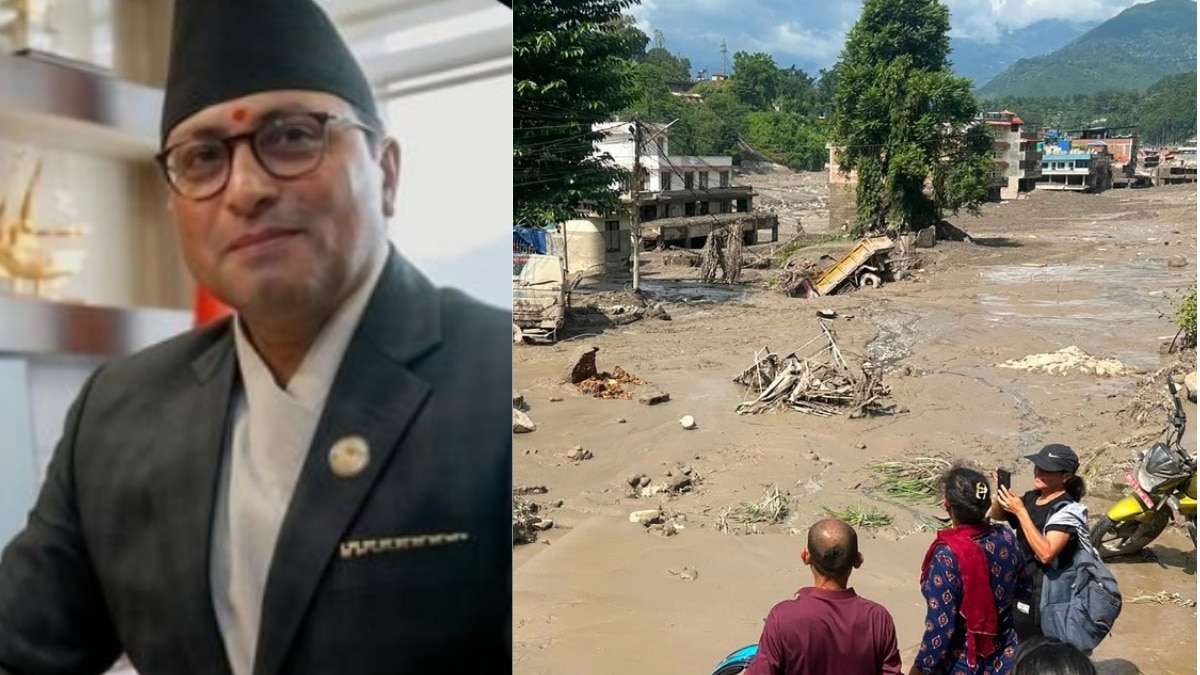
As Nepal battles devastating floods and rising death tolls, Starlink has pledged to deploy free satellite internet kits to assist rescue and medical teams.
- Nepal's flood death toll has climbed to 626, with 2,426 people reported missing.
- Starlink has offered free high-speed satellite internet kits to support humanitarian efforts.
- Rescue operations are currently focused on the Trishuli-3A hydropower project tunnel.
The catastrophic floods along the Nepal-Tibet border have triggered a massive humanitarian crisis. In response to the total collapse of traditional communication networks and transport links, Starlink has stepped forward to offer free internet services and deployment kits. The company aims to support the Nepalese government and humanitarian agencies by providing reliable connectivity in remote, hard-hit regions.
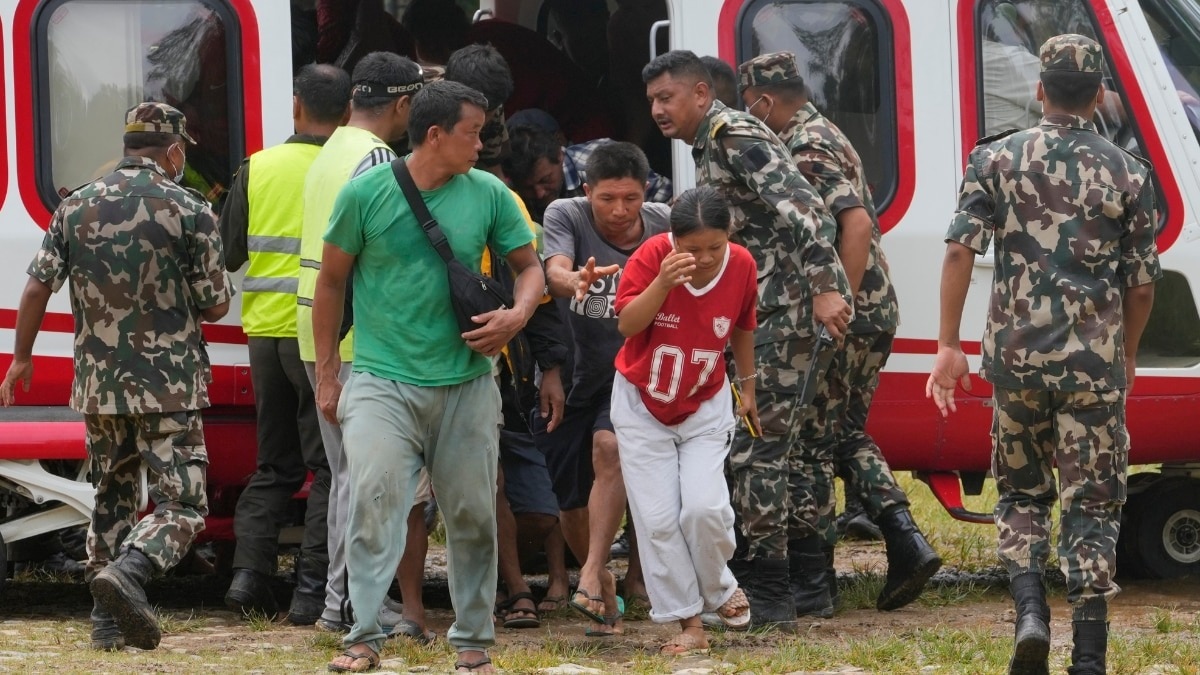
The scale of the disaster is staggering. Official reports indicate that the death toll has risen to 626, while a massive 2,426 individuals remain missing. Rescue efforts are currently concentrated on the Trishuli-3A hydropower project tunnel, where several people are feared trapped. To aid this complex operation, a specialized rescue team from the Silkyara tunnel project has arrived in Nepal to provide technical expertise.
Why This Matters
BozokMedia analysis shows that in flash flood scenarios, the loss of terrestrial communication (mobile towers and fiber cables) often paralyzes rescue coordination. Starlink’s low-latency satellite technology provides a critical lifeline, allowing medical teams to coordinate and families to contact loved ones when all other infrastructure has failed.
Satellite-based communication is no longer a luxury in disaster management; it is a fundamental necessity for real-time rescue coordination.
The Nepalese government has actively sought international assistance, requesting technical support and Bailey bridges from both India and China. While India has successfully rescued 84 of its citizens, hundreds more remain uncontactable. The long-term economic impact is expected to be massive, with billions of dollars required to rebuild destroyed roads, bridges, and hydropower infrastructure.
Historical Background
The Himalayan region is prone to sudden, high-intensity flash floods due to its unique topography and changing weather patterns. Historically, these events have isolated entire communities, making the integration of satellite technology a vital component of modern disaster preparedness.
Frequently Asked Questions
1. How will Starlink help in Nepal?
It will provide high-speed internet to rescue and medical teams in areas where mobile networks and roads are destroyed.
2. What is the current casualty count?
As of the latest reports, 626 people have died and 2,426 are missing.