As Nepal struggles to recover from catastrophic flash floods, thousands of grieving citizens have joined search missions, scouring steep valleys and debris in a desperate attempt to find their missing family members.
- Flash floods in the Bhotekoshi river area have caused widespread destruction in Nuwakot and Rasuwa districts.
- Thousands of locals are conducting independent search operations alongside security forces.
- The disaster has left many families in a state of limbo, searching for bodies to perform last rites.
In the aftermath of the devastating flash floods in Nepal, a harrowing parallel rescue operation is unfolding. While official security personnel are neck-deep in formal search and rescue missions, thousands of ordinary citizens, driven by grief and desperation, have taken it upon themselves to scour the steep Himalayan valleys for their missing loved ones.
In the Nuwakot district, near the epicenter in Rasuwa, the landscape has been irrevocably altered. For residents like Lekhnath Adhikari, the tragedy is deeply personal. After losing his elderly parents to the raging waters of the Bhotekoshi river, Adhikari has spent days traveling hundreds of kilometers via motorcycle, visiting every relief camp and hospital in hopes of finding a trace of them.
Why This Matters
BozokMedia analysis shows that these localized disasters in the Himalayan belt are becoming increasingly frequent and intense, highlighting a critical need for better early warning systems and robust infrastructure that can withstand extreme weather events.
"The psychological trauma of the 'unresolved loss'—where families cannot find remains to perform rites—is creating a secondary crisis in these mountain communities."
The conditions for searchers are brutal. In valleys acting like 'induction cookers,' temperatures soar to 35 degrees Celsius, trapping heat and humidity. Searchers like Tashbir Tamang are climbing steep, mud-caked mountainsides, jumping into debris with a mixture of hope and dread, searching for any sign of sisters, daughters, or wives lost to the torrent.
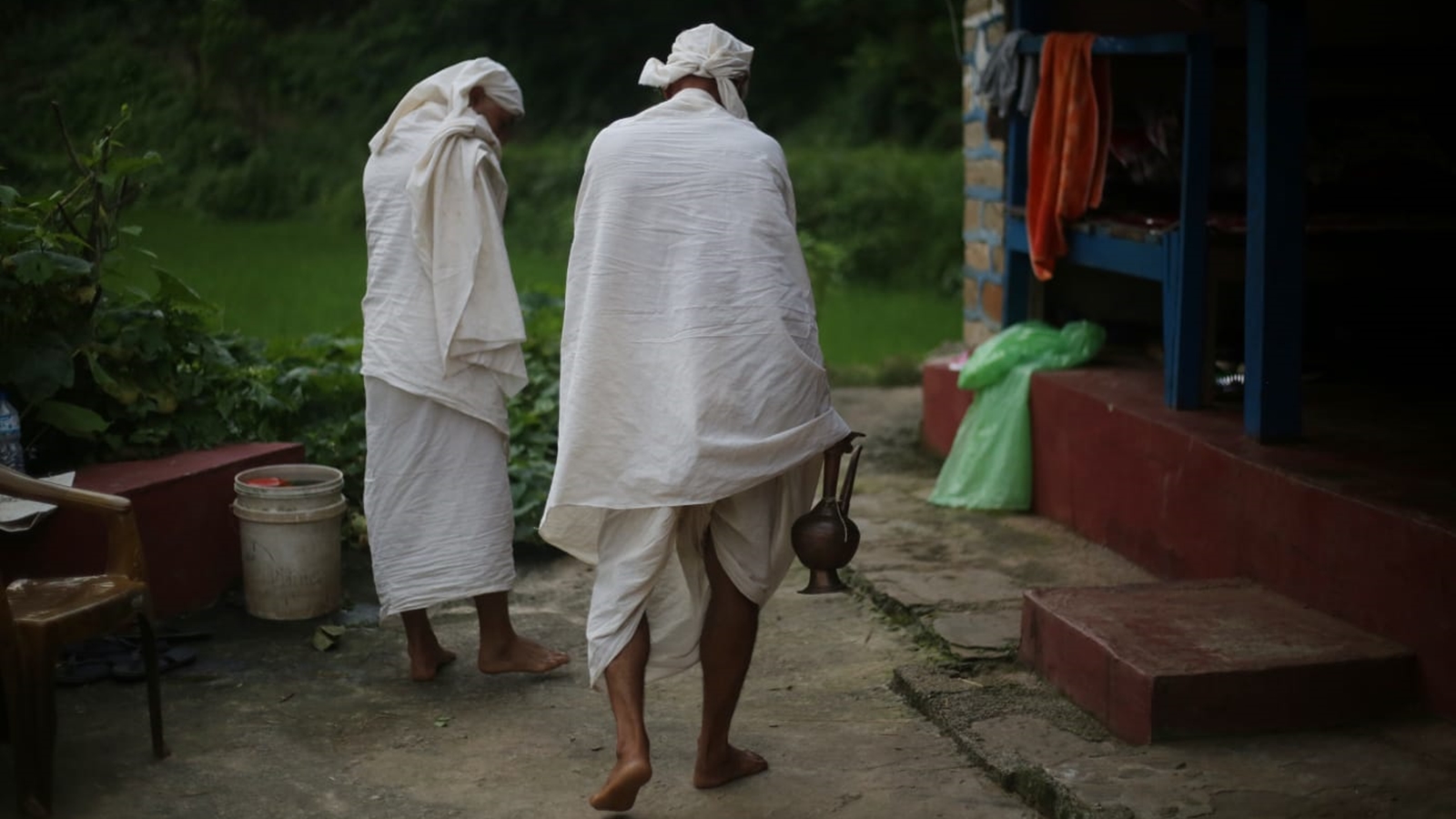
For some, the search has transitioned into a ritual of mourning. In Umerkot, brothers Vasudev and Arjun Pyakurial, unable to find their mother after she was swept away, have begun performing her last rites using a symbolic effigy. This highlights the profound spiritual and cultural resilience of the Nepalese people amidst unimaginable loss.
Frequently Asked Questions
Question 1: Which areas were most affected by the Nepal floods?
Answer: The Nuwakot and Rasuwa districts, particularly areas near the Bhotekoshi river, faced the most severe impact.
Question 2: What is the current status of the search operations?
Answer: Search operations are ongoing, involving both official military/security forces and thousands of local volunteers.