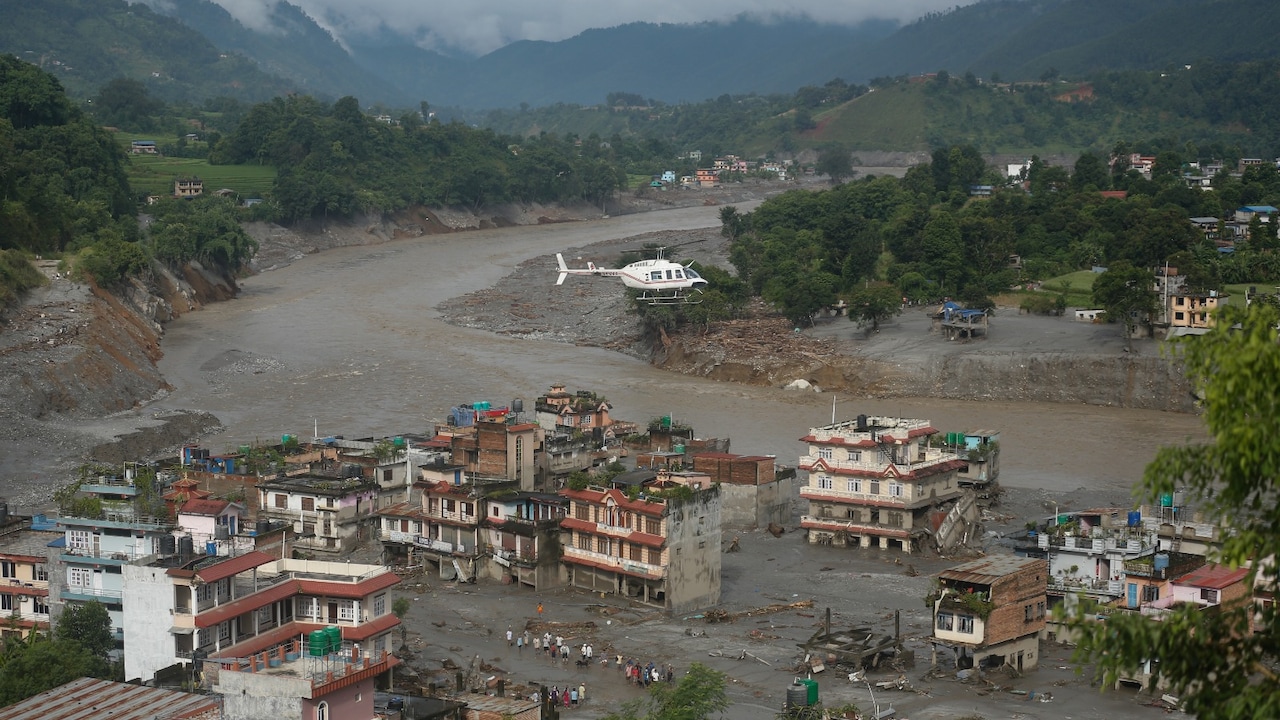
Following catastrophic flooding, Nepal has issued urgent warnings of potential fresh flooding. While rescue operations continue, scientists remain cautious about linking the event directly to global warming.
- Emergency flood alerts were sent to residents' mobile phones early Sunday.
- Rescue crews are working to clear critical highways connecting Kathmandu to disaster zones.
- Scientists state it is premature to link these specific floods to global warming.
In the wake of the catastrophic floods that struck Nepal last Wednesday, the nation remains on high alert. Early Sunday morning, flood warning notices were dispatched directly to the mobile phones of residents in vulnerable areas, signaling a potential second wave of rising water levels that could exacerbate the existing humanitarian crisis.
Rescue operations are currently focused on restoring connectivity. Teams are working tirelessly to clear major highways that link the capital, Kathmandu, to the hardest-hit regions. The destruction of infrastructure has left many communities isolated, complicating the delivery of essential supplies and aid.
Why This Matters
BozokMedia analysis shows that the stability of Nepal's transport corridors is vital for both economic recovery and emergency response. Any further flooding could paralyze the region's ability to recover, turning a localized disaster into a prolonged national emergency.
The immediate priority is life-saving intervention, while the scientific community continues to investigate the long-term climatic drivers.
Amidst the chaos, a significant scientific debate is unfolding. While environmentalists often point toward climate change, researchers have cautioned that it is currently too early to draw a definitive causal link between global warming and this specific flooding event. Detailed meteorological data is required to distinguish between extreme seasonal weather patterns and long-term climate shifts.
Historical Background
Nepal's topography makes it highly susceptible to flash floods and landslides, particularly during the monsoon season. Over the years, the combination of rapid urbanization and shifting weather patterns has increased the frequency of such devastating events in the Himalayan foothills.
Frequently Asked Questions
Question 1: Are the roads to Kathmandu open?
Answer: Major highways are being cleared by rescue crews, but some routes remain blocked by debris.
Question 2: Is this linked to climate change?
Answer: Scientists are currently analyzing data and say it is too early to confirm a direct connection.