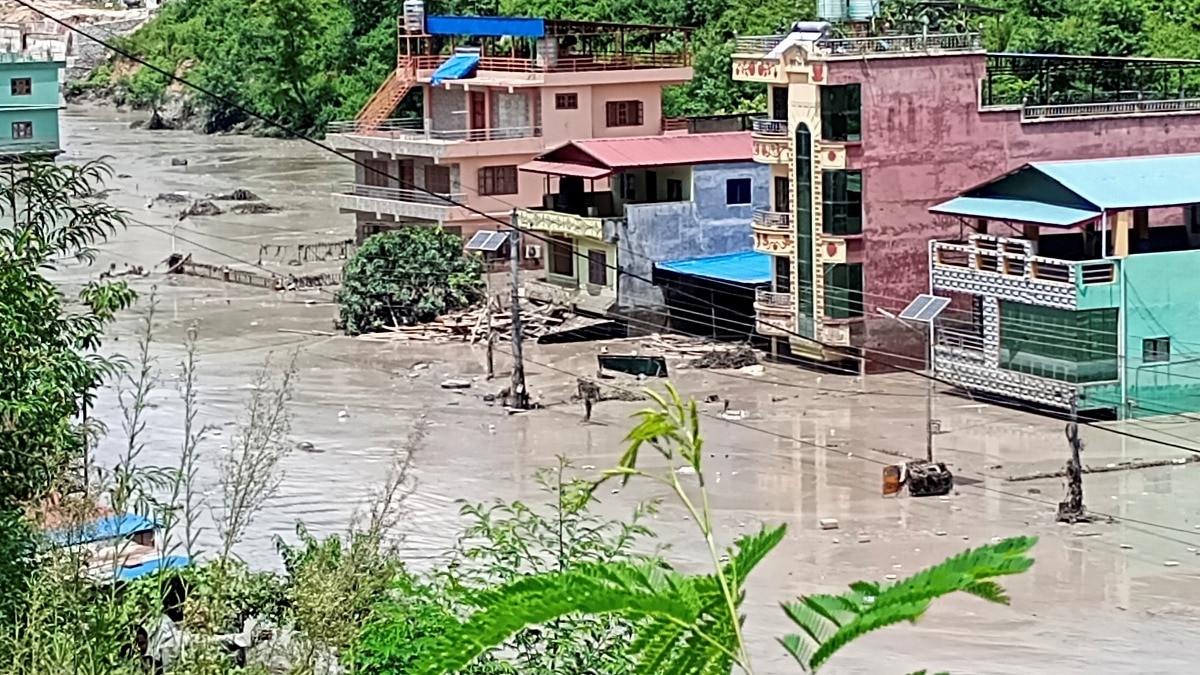
Nepal is facing catastrophic flooding and landslides following heavy monsoon rains. Authorities have issued urgent warnings for more floods as communities struggle to recover from the initial destruction.
- Severe flooding and landslides have caused massive destruction across multiple regions in Nepal.
- Meteorological departments have warned of continued heavy rainfall in the coming days.
- Emergency response teams are struggling to reach isolated communities due to terrain and weather.
Nepal is currently grappling with a humanitarian crisis as relentless monsoon rains trigger catastrophic flooding and landslides across the country. The scale of devastation has left entire communities struggling for survival, with homes destroyed and critical infrastructure washed away by surging waters.
Authorities in Nepal have issued a stern warning that the situation is far from over. Forecasts indicate that heavy rainfall will persist, potentially leading to further flooding in low-lying areas and increased landslide risks in the hilly regions. The government is urging residents in high-risk zones to evacuate to safer locations immediately.
Why This Matters
BozokMedia analysis shows that the increasing frequency and intensity of these monsoon events in Nepal are closely linked to shifting global weather patterns. The combination of steep terrain and heavy precipitation creates a volatile environment where flash floods can occur with little to no warning, complicating evacuation efforts.
Disaster management experts warn that the current hydrological surge could overwhelm existing embankments and drainage systems in vulnerable districts.
Rescue operations are currently underway, involving local police, army, and volunteer groups. However, the rugged geography of Nepal, coupled with damaged road networks and interrupted telecommunications, is severely hindering the delivery of essential aid and the rescue of stranded individuals.
Historical Background
Nepal has a long history of seasonal monsoon disasters. However, in recent years, the intensity of these events has escalated. The melting of Himalayan glaciers, combined with unpredictable monsoon cycles, has made the country's water management and disaster preparedness more critical than ever before.
Frequently Asked Questions
1. What is the current danger level in Nepal?
The danger level is extremely high in several districts due to rising river levels and the threat of further heavy rainfall.
2. How are the authorities responding?
Emergency services are deployed for rescue and relief, though weather conditions are making operations difficult.