Russian forces conducted a massive 28-hour combined drone and missile strike targeting Ukraine, primarily Kyiv, resulting in a devastating ammunition warehouse explosion that killed at least 37 people. Meanwhile, Russia has extended its fuel export ban to stabilize domestic supplies.
- Russian forces launched a continuous 28-hour drone and missile barrage against Ukraine.
- An ammunition warehouse strike near Kyiv caused secondary explosions, killing 37 people.
- Russia extended its diesel and gas oil export ban until September 30.
- Ukrainian forces have reported advances in the Dobropillya direction.
In a significant escalation of hostilities, Russian forces launched a prolonged and coordinated series of drone and missile strikes against Ukraine on August 28 and 29, 2026. The offensive, which lasted for more than 28 hours, primarily targeted Kyiv City and the surrounding Oblast, with the strategic intent of maximizing civilian disruption and exhausting Ukrainian air defense capabilities.
Devastation in Kyiv: Warehouse Explosion and Casualties
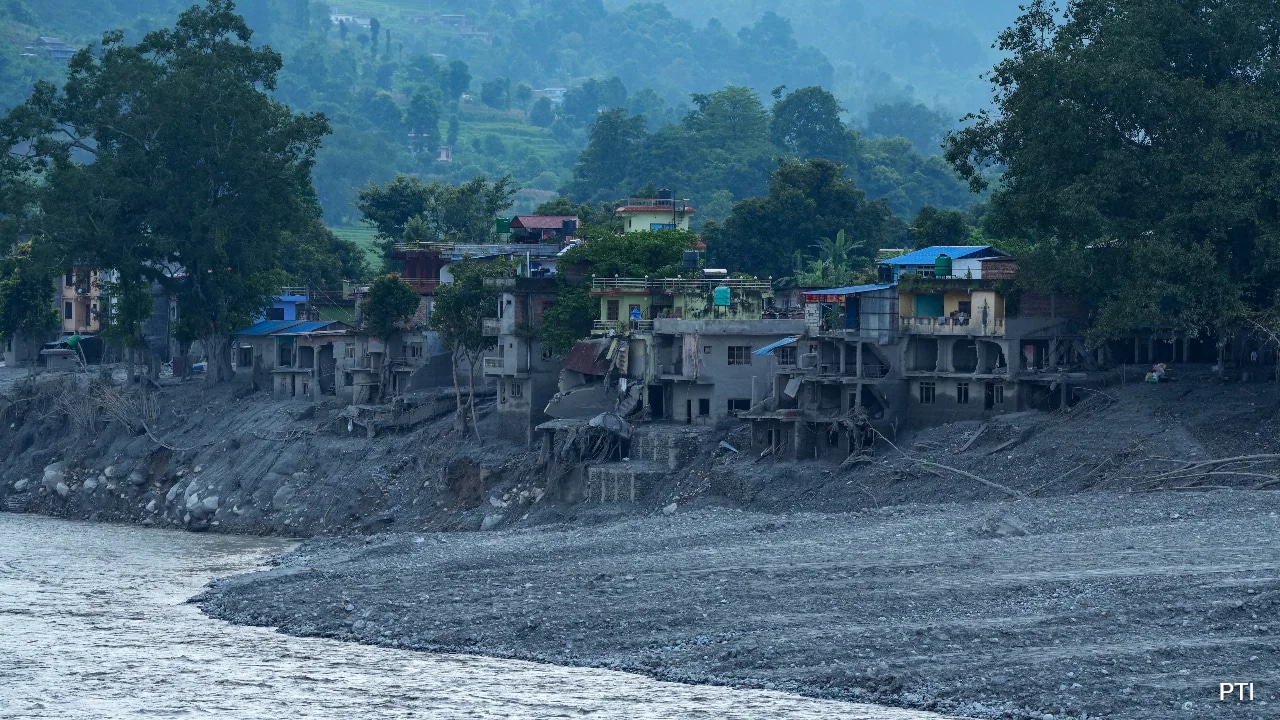
The most catastrophic impact occurred on the western outskirts of Kyiv, where a Russian strike hit an ammunition warehouse near Myla. The initial strike triggered massive secondary detonations, leading to a fire that destroyed at least 130 residential buildings and a retirement home. According to Ukrainian President Volodymyr Zelensky, the strike resulted in at least 37 fatalities, including Taras Didych, the head of the Dmytrivska hromada, who was killed while leading rescue operations. At least 42 others were injured.
The Ukrainian Air Force reported the deployment of over 550 S8000 Banderol loitering munitions, along with Shahed, Gerbera, and Parodiya-type drones. While Ukrainian forces successfully intercepted approximately 86 percent of the strike drones, the sheer volume and the 28-hour duration of air raid alerts placed an unprecedented strain on civilian infrastructure and mental well-being.
Why This Matters
BozokMedia analysis shows that Russia is increasingly employing 'exhaustion tactics.' By combining daytime and nighttime strikes, Moscow aims to disrupt the Ukrainian economy and force the civilian population into a state of perpetual crisis. This shift in strike patterns suggests a move toward long-term attrition of both military defenses and societal stability.
The prolonged nature of these strikes is a calculated attempt to overwhelm air defense systems through sheer saturation.
Russia's Energy Struggles and Export Bans: Amidst the conflict, the Russian Cabinet of Ministers has voted to extend the export ban on diesel, marine fuel, and gas oils for direct producers until September 30, 2026. This decision comes as Russia's refining capacity has reportedly hit a 20-year low. Ukrainian strikes against Russian oil infrastructure have significantly hampered Moscow's ability to export fuel, complicating their domestic energy security despite rising global oil prices.
Frequently Asked Questions
Question 1: What caused the high death toll in Kyiv?
Answer: The death toll was caused by secondary detonations following a Russian strike on an ammunition warehouse, which subsequently ignited nearby residential areas.
Question 2: Why is Russia banning fuel exports?
Answer: To maintain stable domestic supplies amidst reduced refining capacity and ongoing strikes on their energy infrastructure.